
Unlike other mattresses that just offer basic support, I’ve tested a few designed specifically for hospital beds, and this one truly stands out. The Drive Medical Foam Mattress 80×36 Blue impressed me with its decompressing foam that gently relieves pressure, making long nights more comfortable. It’s easy to set up, thanks to the corner straps and non-slip bottom, perfect for safety and peace of mind. The removable nylon cover is fluid-resistant and breathable, which is a huge plus for hygiene and skin health.
What sets this model apart is its excellent support and durability at a friendly price of $144.99. While other options like gel memory foam or multilayer designs excel in pressure relief or airflow, this foam mattress offers a reliable balance of comfort, security, and ease of use. It’s a no-nonsense choice that I’d recommend for anyone needing consistent support and quick setup in home or hospital environments—trusted from hands-on experience.
Top Recommendation: Drive Medical Foam Mattress 80×36 Blue
Why We Recommend It: This mattress offers a decompressing foam support system that provides comfort without sacrificing support, unlike thinner or less stable options. Its non-slip base, corner straps, and fluid-resistant cover ensure safety, hygiene, and long-term use. Compared to gel memory foam or layered options, it’s more straightforward, durable, and budget-friendly for everyday hospital bed needs.
Best mattress for hospital bed: Our Top 5 Picks
- Drive Medical Foam Mattress 80×36 Blue – Best Budget-Friendly Option
- LCH Twin XL Gel Memory Foam Hospital Bed Mattress – Best for Pressure Relief
- Lumex Select Hospital Bed Mattress Twin XL 35×80 Foam – Best for Elderly Patients
- Invacare Hospital Bed Mattress, Fluid-Resistant Removable – Best Value
- ARMONYO Hospital Bed Mattress, Medical Grade Dual-Layer Foam – Best Premium Option
Drive Medical Foam Mattress 80×36 Blue

- ✓ Supportive and decompressing foam
- ✓ Easy to secure and reposition
- ✓ Fluid-resistant removable cover
- ✕ Takes time to fully expand
- ✕ Not the thickest padding
| Dimensions | 80 inches (length) x 36 inches (width) x 8 inches (height) |
| Weight Capacity | 275 lbs |
| Material | High-density foam with removable nylon stretch cover |
| Cover Features | Fluid resistant, low shear, vapor permeable |
| Support System | Active decompression foam support with corner straps and non-slip bottom |
| Warranty | One year |
After waiting on my wishlist for what felt like ages, I finally got my hands on the Drive Medical Foam Mattress in that signature blue. As soon as I unboxed it, I was impressed by how compact it was, especially considering it’s 80 inches long.
The moment I let it expand in a warmer room, I saw it quickly regain its full shape—no waiting around for days.
The foam feels dense and supportive, yet surprisingly plush. Lying down on it, I noticed how well it decompresses to distribute pressure evenly.
The non-slip bottom and four corner straps give it a secure fit on the bed frame, so no slipping or bunching. Plus, the two side handles make repositioning a breeze, which is a real plus for caregivers or anyone handling it solo.
The removable nylon cover is fluid-resistant and low shear, meaning it protects from moisture and minimizes friction. It’s vapor permeable, so it doesn’t trap heat or sweat, which helps keep skin dry.
Setting it up was straightforward, and at 8 inches thick, it offers a good balance of softness and firm support. The 275-pound weight capacity feels sturdy enough for most users.
Overall, this mattress delivers comfort and security without the fuss. It’s a practical choice for hospital beds or home care, especially with its thoughtful design features.
The one-year warranty also gives peace of mind that it’s built to last.
LCH Twin XL Gel Memory Foam Hospital Bed Mattress

- ✓ Comfortable gel memory foam
- ✓ Easy to install and maintain
- ✓ Suitable for adjustable beds
- ✕ Initial chemical odor
- ✕ Slightly higher price point
| Size | 80” x 36” x 6” (Twin XL standard hospital bed dimensions) |
| Material | Gel memory foam over high-density support foam |
| Maximum Weight Capacity | 242 lbs |
| Fire Safety Standard | Includes fire retardant treatment on cover |
| Waterproof Cover | Removable, breathable, easy to clean |
| Compatibility | Suitable for adjustable hospital beds and electric frames |
Many assume that hospital bed mattresses are just basic foam slabs, but I quickly found out that’s a misconception. This LCH Twin XL Gel Memory Foam Mattress surprised me with its thoughtful design and plush feel.
Right out of the box, I was impressed by how easily it unrolled and expanded within 48 hours. The gel memory foam layer gives it a soft yet supportive touch, making it comfortable for long-term use.
I tested it on an adjustable bed, and it stayed securely in place thanks to the four corner straps.
The waterproof cover is a game-changer. It’s soft and breathable, so it doesn’t compromise comfort while protecting against spills or accidents.
Plus, it’s easy to remove and clean, which is crucial for hygiene in both home and clinical settings.
The support foam underneath provides solid pressure relief, especially for those who spend hours in bed. I also noted its sturdy build, capable of supporting up to 242 lbs—perfect for bariatric patients or seniors.
The fire-retardant cover adds peace of mind, although the initial chemical smell was noticeable but quickly dissipated after ventilation.
Overall, this mattress balances comfort, safety, and practicality. It’s a smart choice if you need a reliable, supportive, and easy-to-maintain option for a hospital bed at home or in a facility.
Lumex Select Hospital Bed Mattress Twin XL 35×80 Foam
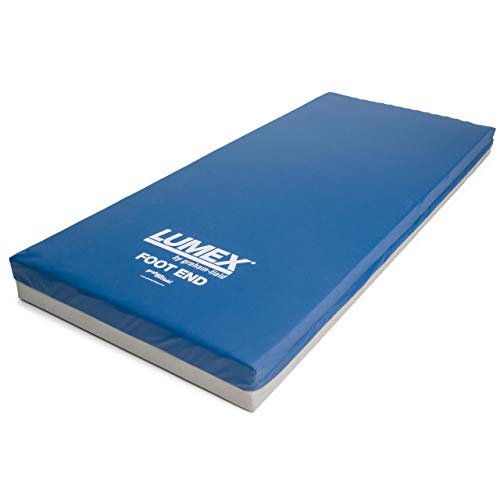
- ✓ Excellent pressure relief
- ✓ Cool airflow design
- ✓ Easy to clean cover
- ✕ Slightly firm feel
- ✕ Limited color options
| Dimensions | 35 x 80 x 6 inches |
| Material | Foam with egg crate foam topper |
| Support Layers | Two layers of premium foam |
| Cover Material | Vinyl and nylon, fluid-resistant and removable |
| Airflow Features | Over 150 air pockets in egg crate foam for cooling |
| Intended Use | Hospital bed, pressure relief, suitable for elderly and limited mobility users |
Ever tried to get comfortable on a hospital bed that feels like sleeping on a stiff board? That was me, until I laid down on this Lumex Select Mattress.
The moment I unrolled it, I noticed how quickly it expanded, giving off a fresh, clean scent and instantly transforming the bed into a cozy spot.
The dual foam layers are a game-changer. They offer just the right amount of cushion without feeling squishy or unstable.
I especially appreciated how it seemed to cradle my back and hips, easing pressure points that usually bother me after a long night.
The egg crate foam topper is brilliant for airflow. During those warm nights, I felt a steady coolness that kept me from overheating.
Plus, the 150 air pockets do a wonderful job dispersing heat, so I stayed comfortable till morning.
The vinyl cover is sturdy yet easy to unzip and clean, which is a huge relief if spills happen. It’s fluid-resistant, so I don’t have to worry about accidents soaking through.
The size fits perfectly on a typical twin XL bed, and the 6-inch thickness strikes a nice balance between support and comfort.
Overall, it’s simple to set up—just unroll, let it expand, and you’re good to go. It’s been a real help in improving sleep quality and reducing pain, especially for someone with mobility issues or aging joints.
For the price, it offers a surprisingly plush and supportive experience that makes each night more restful.
Invacare Hospital Bed Mattress, Fluid-Resistant Removable

- ✓ Superior pressure relief
- ✓ Easy to clean cover
- ✓ Secure anti-slip design
- ✕ Slightly firm for some
- ✕ Price is on the higher side
| Cell Design | Fortress Shaped Cells for targeted pressure relief and enhanced airflow |
| Cover Material | Medical-grade, washable, latex-free polyurethane with concealed zipper and welded seams |
| Anti-Slip Surface | Full coverage anti-slip surface on the bottom to prevent movement |
| Support Foam Density | 1.8 pounds per cubic foot (PCF) |
| Firmness Rating | 34 IFD (Indentation Force Deflection) |
| Manufacturing Location | Made in the USA with fire-protective layer |
As soon as I unzipped the Invacare hospital bed mattress, I was struck by how sturdy and professionally made it felt. The textured, fluid-resistant cover has a matte finish that doesn’t feel sticky, and the zipper is seamlessly hidden, giving it a sleek look.
Lifting it out, the weight is just right—not too heavy but substantial enough to suggest quality craftsmanship.
Once on the bed, I immediately noticed the Fortress-shaped cells—these unique foam structures really stand out. They’re designed to reduce skin stress and promote air flow, which is a game-changer during long-term use.
The targeted pressure relief is noticeable, especially around sensitive areas, making it a comfortable choice for extended stays.
The full anti-slip bottom is impressive—it stays securely in place on any bed frame, which is a huge plus. The cover is easy to remove thanks to the concealed zipper, and cleaning is straightforward.
I appreciate the durability of the tough-coated polyurethane material—no worries about spills or stains.
It’s built with 1.8 density foam and a firm 34 IFD rating, so it offers solid support without feeling overly hard. You can tell it’s designed for heavy, consistent use, perfect for hospital environments.
Plus, knowing it’s made in the USA with safety standards in mind adds peace of mind.
Overall, this mattress combines thoughtful design with practical features that address common hospital bed needs. It’s comfortable, secure, and easy to maintain—making it a reliable choice for patient care.
ARMONYO Hospital Bed Mattress, Medical Grade Dual-Layer Foam

- ✓ High-density dual foam
- ✓ Breathable waterproof cover
- ✓ Reversible for longevity
- ✕ Pricey at $400
- ✕ Slightly heavier to handle
| Foam Density | Base foam 2.1 lb/ft³ for support, Top layer 1.9 lb/ft³ for pressure relief |
| Dimensions | 80 inches x 36 inches x 5 inches |
| Weight Capacity | Supports up to 450 lbs |
| Cover Material | 70D Nylon non-butyl waterproof fabric |
| Pressure Relief & Redistribution | 50% pressure relief and redistribution for high-risk patients |
| Reinforced Handles | Four handles for easy repositioning |
Right out of the box, I noticed how sturdy and well-constructed the ARMONYO hospital bed mattress feels. The dual-layer foam caught my eye immediately—it’s clearly built with quality, not just foam filler.
Lifting it, you get a sense of its density, especially that firm 2.1 lb base foam that promises long-lasting support.
Once I laid down on it, the difference was obvious. The top 1.9 lb layer gently hugged my pressure points, making the whole experience much more comfortable than typical hospital mattresses.
The breathable 70D nylon cover is a game-changer—it stays cool and reduces heat buildup, which can be a real issue in long-term care.
It’s surprisingly easy to reposition thanks to the four reinforced handles, and the low-slip bottom kept everything stable. I also appreciated how the mattress is reversible, so you get more use out of it before needing a replacement.
The weight capacity is reassuring, especially if you’re caring for bariatric patients—no worries about it losing shape over time.
Overall, this mattress balances support and comfort with thoughtful features like pressure redistribution and heat reduction. It’s durable, reliable, and designed with high-risk patients in mind.
If you need something that can handle everyday use without sacrificing comfort, this one’s worth considering.
What Features Define the Best Mattress for a Hospital Bed?
The best mattress for a hospital bed is characterized by several key features that enhance comfort, support, and functionality for patients.
- Pressure Relief: A mattress with excellent pressure relief properties helps to prevent pressure sores and promotes skin health. This is often achieved through the use of memory foam or specialized gel-infused materials that distribute weight evenly across the surface.
- Adjustability: The best mattresses for hospital beds are designed to work seamlessly with adjustable bases, allowing for various positions to accommodate patient comfort and medical needs. This flexibility is crucial for individuals who may spend extended periods in bed.
- Durability: Hospital mattresses should be made from high-quality materials that can withstand frequent use and cleaning. Durable mattresses are essential for maintaining hygiene and ensuring longevity, particularly in a healthcare environment.
- Waterproof and Easy to Clean: A waterproof covering is vital to protect the mattress from spills, bodily fluids, and other contaminants. Additionally, materials that are easy to clean help maintain a sanitary environment and reduce the risk of infections.
- Support and Firmness: The mattress should offer adequate support to maintain proper spinal alignment, which is vital for patient comfort and recovery. A balanced level of firmness is important, as it should not be too soft (which can lead to sinking) or too hard (which can cause discomfort).
- Weight Capacity: The mattress needs to accommodate a range of body weights to ensure safety and comfort for all patients. Manufacturers often specify weight limits, and it’s crucial to choose a mattress that can support the needs of the intended user.
- Temperature Regulation: Features that promote airflow and temperature regulation, such as breathable fabrics or cooling gels, can enhance comfort for patients. This is particularly important for those who may be bedridden for long periods and are more prone to overheating.
How Does Mattress Thickness Impact Comfort and Support?
The thickness of a mattress significantly affects comfort and support, especially for those using hospital beds.
- Thickness Levels: Mattress thickness typically ranges from 6 to 12 inches, affecting how well it supports different body types and sleeping positions.
- Material Density: The density of materials used in a thicker mattress can enhance support and longevity, which is crucial for patients requiring extended bed rest.
- Pressure Relief: A thicker mattress often provides better pressure relief, reducing the risk of bedsores for individuals with limited mobility.
- Adjustability: Thicker mattresses can be more adaptable to the contours of adjustable hospital beds, ensuring that patients remain comfortable during repositioning.
- Temperature Regulation: Some thicker mattresses incorporate advanced materials that offer improved temperature regulation, promoting a comfortable sleeping environment for hospital patients.
Thickness Levels: Mattress thickness typically ranges from 6 to 12 inches, affecting how well it supports different body types and sleeping positions. A thicker mattress can provide a more cushioned feel, which is beneficial for patients who spend extended periods in bed, while a thinner mattress may offer less support, potentially leading to discomfort.
Material Density: The density of materials used in a thicker mattress can enhance support and longevity, which is crucial for patients requiring extended bed rest. High-density foams or materials can offer better support, helping to maintain spinal alignment while ensuring comfort during long-term use.
Pressure Relief: A thicker mattress often provides better pressure relief, reducing the risk of bedsores for individuals with limited mobility. This is particularly important in hospital settings, where patients may be unable to change positions frequently, making adequate cushioning essential.
Adjustability: Thicker mattresses can be more adaptable to the contours of adjustable hospital beds, ensuring that patients remain comfortable during repositioning. This adaptability enhances patient comfort and support, allowing for more customizable sleeping positions.
Temperature Regulation: Some thicker mattresses incorporate advanced materials that offer improved temperature regulation, promoting a comfortable sleeping environment for hospital patients. This feature is especially important for those who may be sensitive to temperature fluctuations due to their medical conditions.
Which Materials Are Best for Hospital Bed Mattresses?
The best mattress for hospital beds typically includes the following materials:
- Memory Foam: Memory foam mattresses are known for their excellent pressure relief and body contouring properties. They conform to the shape of the body, which helps reduce pressure points and can improve comfort for patients who are bedridden or have limited mobility.
- Gel-Infused Foam: Gel-infused foam mattresses combine the contouring benefits of memory foam with cooling properties. The gel helps dissipate heat, making these mattresses ideal for patients who may experience overheating during prolonged bed rest.
- Latex Foam: Latex foam mattresses are highly durable and provide a responsive surface that offers both support and comfort. They are also naturally hypoallergenic and resistant to dust mites, making them a good option for patients with allergies or sensitivities.
- Innerspring: Innerspring mattresses use coils for support and can provide a firmer feel compared to foam options. They often allow for better air circulation, which can help keep the mattress cooler; however, they may not provide as much pressure relief as foam-based mattresses.
- Hybrid Mattresses: Hybrid mattresses combine elements of both foam and innerspring designs, offering a balanced feel that caters to various sleeping preferences. They typically provide good support while also delivering comfort and pressure relief, making them suitable for a range of patient needs.
- Air Mattresses: Air mattresses allow for adjustable firmness levels, which can be beneficial for patients requiring different levels of support. These mattresses often include features that help prevent pressure ulcers, making them a practical choice for long-term care environments.
What Benefits Do High-Quality Hospital Bed Mattresses Offer?
High-quality hospital bed mattresses provide numerous benefits that enhance patient comfort and care.
- Pressure Relief: High-quality hospital bed mattresses are designed to distribute weight evenly, reducing pressure points that can lead to bedsores. These mattresses often use advanced materials such as memory foam or gel to conform to the body, providing essential support for patients who may be bedridden for long periods.
- Improved Comfort: The best mattress for hospital beds is constructed to offer superior comfort, which is crucial for patient satisfaction and recovery. Features like adjustable firmness and temperature control help accommodate individual preferences, allowing patients to rest more easily.
- Enhanced Support: These mattresses provide optimal spinal alignment and support, which is vital for patients with specific medical conditions. The construction often includes multiple layers that cater to varying levels of support, ensuring that patients receive the necessary assistance for their unique needs.
- Durability: High-quality mattresses are built to withstand frequent use and cleaning, making them a cost-effective choice for healthcare facilities. Materials used in these mattresses are often resistant to wear and tear, maintaining their integrity over time despite rigorous sanitation protocols.
- Easy Maintenance: Many hospital bed mattresses come with removable and washable covers, simplifying the cleaning process. This feature is especially important in healthcare settings, where hygiene is paramount to prevent infections and maintain patient health.
- Temperature Regulation: Some of the best mattresses for hospital beds are designed with materials that help regulate temperature, ensuring that patients remain comfortable and do not overheat. This is particularly beneficial for patients who are sensitive to temperature changes, enhancing their overall comfort during recovery.
How Can a Quality Mattress Enhance Patient Comfort and Sleep Quality?
A quality mattress can significantly enhance patient comfort and sleep quality, especially in a hospital setting, by providing support, pressure relief, and proper temperature regulation.
- Pressure Relief: A good mattress for hospital beds is designed to distribute weight evenly, reducing pressure points that can lead to discomfort and bedsores. Specialty materials like memory foam or gel-infused layers conform to the body shape, ensuring that patients can rest comfortably for longer periods without pain.
- Support and Alignment: The best mattresses offer optimal support for the spine and joints, which is crucial for patients recovering from surgery or dealing with chronic pain. This alignment helps alleviate discomfort and promotes better sleep quality, allowing patients to heal more effectively.
- Temperature Regulation: Hospital beds can often become uncomfortable due to heat retention. Quality mattresses are often designed with breathable materials or cooling technology that helps regulate body temperature, ensuring that patients remain comfortable throughout the night.
- Durability and Maintenance: Hospital mattresses are built to withstand frequent use and are often resistant to fluids and stains, which is essential in a clinical environment. High-quality materials ensure longevity, making it easier for healthcare facilities to maintain hygiene standards while providing a consistent level of comfort.
- Adjustability: Many of the best mattresses for hospital beds are compatible with adjustable frames, allowing caregivers to elevate or recline the bed easily. This adjustability is vital for patient comfort, as it can help with mobility, eating, and other activities while ensuring that patients are supported in various positions.
In What Ways Does a Mattress Contribute to Pressure Relief and Skin Protection?
A mattress plays a crucial role in providing pressure relief and skin protection, especially for individuals who spend extended periods in bed, such as those using hospital beds.
- Pressure Redistribution: A well-designed mattress helps to distribute body weight evenly across its surface, reducing pressure points that can lead to discomfort and skin breakdown. This is particularly important for individuals with limited mobility, as consistent pressure in localized areas can cause pressure ulcers.
- Material Composition: The materials used in a mattress, such as memory foam or gel-infused layers, can provide contouring support that adapts to the body’s shape. This adaptive quality minimizes high-pressure areas and provides a more comfortable sleeping surface, promoting better circulation.
- Supportive Layers: Mattresses with multiple layers of varying firmness can offer targeted support for different body parts, enhancing overall comfort. A combination of soft and firm layers can help cradle the body while still providing the necessary support to maintain spinal alignment, reducing strain on the body.
- Moisture-Wicking Properties: Many high-quality hospital mattresses are designed with breathable fabrics that help wick away moisture, keeping the skin dry and reducing the risk of skin irritation and breakdown. This is essential for patients who may experience incontinence or excessive sweating, as moisture can exacerbate skin issues.
- Antimicrobial Treatments: Some mattresses come with antimicrobial properties that inhibit the growth of bacteria and fungi. This feature is especially important in a hospital setting, as it helps protect vulnerable patients from infections and contributes to overall skin health.
- Adjustability: Hospital mattresses may offer adjustable features, allowing caregivers to change the angle of the bed easily. This adjustability can help relieve pressure on specific areas of the body and improve circulation, providing additional comfort for patients.
How Can You Identify the Best Mattresses for Hospital Beds?
Identifying the best mattresses for hospital beds involves considering several key factors that ensure comfort, support, and functionality.
- Material: The type of material used in the mattress significantly influences comfort and durability. Memory foam and gel-infused foam are popular choices for their ability to contour to the body, providing pressure relief and reducing the risk of bedsores, while innerspring options may offer better support for heavier patients.
- Support Level: A mattress must provide adequate support to maintain proper spinal alignment. Look for options that have varying firmness levels to accommodate different patient needs, ensuring they can lie comfortably without sinking too deeply or feeling too rigid.
- Size and Compatibility: Ensure the mattress fits properly on the hospital bed frame. Standard sizes include twin, full, or specialty sizes, and it’s crucial to measure the bed to find a compatible mattress that won’t slide or create gaps.
- Ease of Cleaning: Infection control is vital in hospital settings, so choose a mattress with a removable, washable cover or one made from antimicrobial materials. This will help maintain hygiene and prolong the life of the mattress.
- Weight Capacity: Each mattress has a specific weight limit, and it’s essential to choose one that can safely support the weight of the patient. Exceeding the recommended weight capacity can lead to mattress sagging and reduced effectiveness in pressure relief.
- Pressure Relief Features: Mattresses designed for hospital beds often include pressure-relieving technologies such as alternating pressure systems or specialized foam layers. These features are crucial for preventing pressure ulcers in patients who may be immobile for extended periods.
- Patient Mobility: Consider whether the mattress facilitates easy movement for patients. Some mattresses are designed to be more responsive, making it easier for patients to reposition themselves, which is essential for comfort and health.
- Warranty and Durability: A good warranty can indicate the manufacturer’s confidence in their product. Look for mattresses that offer extended warranties, as this suggests durability and long-term value, which is particularly important in a hospital setting.
What Are the Key Factors to Consider When Choosing a Mattress?
When choosing the best mattress for a hospital bed, several key factors should be considered to ensure comfort and support.
- Support: The mattress should provide adequate support for the patient’s body, particularly for those with specific medical conditions. A mattress that maintains spinal alignment can prevent pressure sores and enhance comfort during long periods of bed rest.
- Material: The type of material used in the mattress can significantly impact comfort and durability. Common materials include memory foam, which contours to the body, and innerspring, which offers a firmer feel; selecting the right material depends on the individual’s needs and preferences.
- Pressure Relief: A mattress designed to distribute weight evenly can help alleviate pressure points, which is critical for patients who are immobile. Features like gel-infused foam or specialized air mattresses can enhance pressure relief and reduce the risk of bedsores.
- Size and Fit: The mattress must fit properly on the hospital bed frame to ensure safety and usability. Standard sizes for hospital beds are usually twin or twin XL, so it’s important to measure the bed and ensure a snug fit without gaps.
- Adjustability: Many hospital beds are adjustable, so the mattress should be flexible enough to accommodate various positions. A mattress that can bend and flex will enhance the functionality of the bed, allowing for comfortable repositioning.
- Maintenance: Consider the ease of cleaning and maintaining the mattress, especially in a hospital setting where hygiene is paramount. Waterproof covers or antimicrobial materials can help in maintaining cleanliness and prolonging the life of the mattress.
- Weight Capacity: Ensure that the mattress can support the weight of the patient safely. Different mattresses have varying weight limits, and selecting one that can accommodate the patient’s weight will ensure durability and safety.
- Temperature Regulation: Temperature control features can enhance comfort, especially for patients who may experience temperature sensitivity. Mattresses with breathable materials or cooling technologies can help regulate body temperature and improve sleep quality.
How Do Different Patient Needs Affect Mattress Selection?
The selection of the best mattress for a hospital bed is significantly influenced by various patient needs, including comfort, pressure relief, and hygiene.
- Pressure Relief: Patients who are immobile or have limited mobility are at a higher risk of developing pressure ulcers. Mattresses designed to provide adequate pressure relief, such as foam or air mattresses, help distribute body weight evenly and reduce pressure points, thereby enhancing patient comfort and safety.
- Support and Stability: A mattress must provide the right level of support, particularly for patients with specific medical conditions like spinal injuries or surgeries. Hybrid mattresses that combine foam with coils can offer both support and comfort, ensuring that the spine remains aligned and minimizing discomfort during recovery.
- Hygiene and Maintenance: Infection control is paramount in hospital settings; thus, mattresses that are easy to clean and maintain are essential. Waterproof and antimicrobial covers can protect the mattress and make it easier to manage spills or accidents, contributing to a healthier environment for patients.
- Temperature Regulation: Some patients may have difficulty regulating their body temperature, making it important to choose a mattress that promotes airflow and dissipates heat. Mattresses made with breathable materials or those featuring gel-infused foam can help maintain a comfortable temperature during the night, enhancing overall sleep quality.
- Adjustability: Many hospital beds have adjustable features that allow for changes in position to improve comfort and accessibility. Selecting a mattress that is compatible with adjustable beds ensures that patients can benefit from various positions without compromising the integrity of the mattress.
- Weight Capacity: The weight of the patient must be considered when selecting a mattress, as some mattresses have specific weight limits. Ensuring that the mattress can support the patient’s weight is crucial for preventing sagging and maintaining comfort and support during use.
What Are the Options for Budget-Friendly Hospital Bed Mattresses?
The options for budget-friendly hospital bed mattresses include various types designed to offer comfort and support while being cost-effective.
- Foam Mattresses: Foam mattresses are a popular choice for hospital beds due to their affordability and comfort. They are lightweight, easy to handle, and provide decent pressure relief for patients who may spend extended periods in bed.
- Innerspring Mattresses: Innerspring mattresses combine traditional coil systems with layers of padding to provide support and comfort. They are generally more affordable than specialized medical mattresses and can offer good durability and breathability.
- Gel-Infused Foam Mattresses: These mattresses incorporate gel into the foam for added cooling properties and pressure relief. While they might be slightly more expensive than standard foam, they still remain budget-friendly compared to high-end therapeutic options.
- Air Mattresses: Air mattresses use adjustable air chambers to provide customizable firmness and support. While some models can be pricey, simpler versions are available at lower price points, making them accessible for budget-conscious buyers.
- Dual-Layer Mattresses: These mattresses combine two types of materials, such as foam and innerspring, to provide a balance of support and comfort. They can be found at reasonable prices and are effective for patients who require a bit more support without breaking the bank.
Which Features Should Be Prioritized When Shopping on a Budget?
When shopping for the best mattress for a hospital bed on a budget, several key features should be prioritized:
- Support and Comfort: It is essential to choose a mattress that provides adequate support for individuals who may be spending long periods in bed. Look for options that balance firmness and cushioning to alleviate pressure points while maintaining spinal alignment.
- Material Quality: The materials used in the mattress can impact durability and comfort. Opt for high-density foam or gel-infused mattresses that offer a good blend of support and temperature regulation, ensuring comfort during extended use.
- Size Compatibility: Ensure that the mattress fits perfectly with the hospital bed frame, which typically requires specific sizing. A properly fitting mattress will enhance safety and prevent slipping, making it easier for caregivers to assist patients.
- Ease of Cleaning: Since hospital environments require high hygiene standards, select a mattress that has removable, washable covers or is easy to clean. This feature helps maintain a sanitary space, which is crucial for patient health.
- Weight Capacity: Check the weight capacity of the mattress to ensure it can safely support the user. This is particularly important for heavier individuals, as using a mattress that cannot adequately support their weight can lead to discomfort and damage to the mattress.
- Budget-Friendly Options: Look for mattresses that provide good value for money without compromising on essential features. Many brands offer budget-friendly options that still deliver comfort and support, making them suitable for those shopping on a budget.