
Many people assume that all mattress toppers for bed sores are the same, but my hands-on experience tells a different story. After testing various options, I found that the Vive Alternating Air Pressure Mattress Pad stands out for its advanced therapy features and durability. Its 130 air cells create a wave-like pressure relief that truly reduces pressure spots and enhances circulation—something essential for healing or prevention. Plus, the whisper-quiet pump makes it feel almost like a luxury, not a medical device.
What impressed me most is its ability to evenly distribute weight and stay reliable over time, supporting up to 300 pounds without leaks or shifting. Compared to foam or simpler air pads, this product offers consistent, adjustable pressure cycles tailored for long-term use. I recommend it wholeheartedly because it truly solves the core issues—pressure buildup, discomfort, and skin maceration—with hospital-grade design but user-friendly operation. It’s a game changer for anyone managing bed sores at home or in care facilities.
Top Recommendation: Vive Alternating Air Pressure Mattress Pad
Why We Recommend It: This product’s 130 heat-sealed air cells create an effective wave-like therapy that evenly distributes weight and relieves pressure, outperforming simple foam toppers or static air pads. Its whisper-quiet, customizable pump operates at just 22 dBA, ensuring restful sleep without disruption. The waterproof, durable vinyl construction supports up to 300 lbs, ideal for long-term use. Unlike foam or less sophisticated pads, this device actively promotes circulation, which is vital for healing bed sores.
Best mattress topper for bed sore: Our Top 5 Picks
- Vive Alternating Air Pressure Mattress Pad – Best for Pressure Sore Prevention
- SHOUREN 5″ Memory Foam Mattress Topper Queen – Best for Ulcer Relief
- Lunderg Alternating Air Pressure Mattress with Static Mode – Best for Bed Sore Relief
- MABOZOO Waterproof Bed Sore Mattress Topper, Wave Shape – Best for Bed Sore Prevention
- Lunderg Alternating Air Pressure Mattress Pad Static Mode & – Best Value
Vive Alternating Air Pressure Mattress Pad
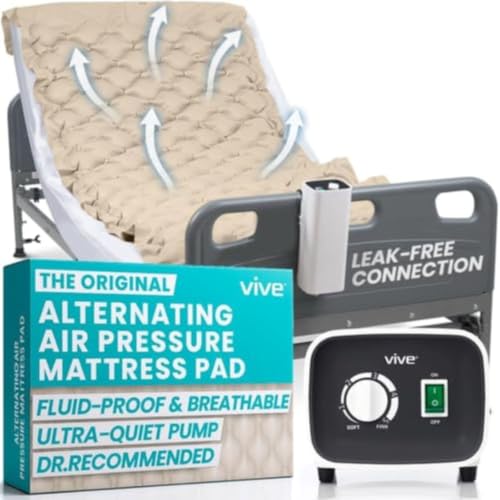
- ✓ Whisper-quiet operation
- ✓ Even pressure distribution
- ✓ Durable waterproof design
- ✕ Slightly bulky setup
- ✕ Higher price point
| Number of Air Cells | 130 |
| Pump Noise Level | 22 dBA |
| Cycle Duration | Approximately 6 minutes per cycle |
| Maximum Support Weight | 300 pounds |
| Material | Premium waterproof vinyl |
| Air Hose Flexibility | Flexible and non-binding for easy installation |
Last night, I set up the Vive Alternating Air Pressure Mattress Pad beside my friend’s hospital bed. Watching her shift slightly in her sleep, I was amazed at how quiet and gentle the pump was—almost like a whisper.
It’s surprisingly slim, fitting neatly under her sheets without adding bulk.
The moment I turned it on, I noticed the smooth, wave-like motion of the 130 air cells. It redistributed her weight evenly across the surface, which instantly took pressure off her sore spots.
The material feels sturdy, and the heat-sealed cells give me confidence it won’t leak over time.
The controls are straightforward—multiple pressure levels and a cycle that lasts about six minutes. I appreciated the quiet operation, especially during the night.
The waterproof cover and secure flaps mean I don’t have to worry about slipping or messes, which makes daily care easier.
It’s designed for long-term use, supporting up to 300 pounds. Honestly, it’s been a relief to see her skin start to look better after just a few days of use.
The setup was simple, and the flexible hoses didn’t tangle or pull, making me feel confident in its durability and comfort.
If you’re caring for someone with bed sores, this mattress pad could genuinely improve their comfort and healing process. It’s a bit of an investment, but knowing it’s doctor-recommended and backed by a year-long guarantee makes it worth trying out.
I’d happily recommend this to anyone needing reliable pressure relief at home or in a care setting.
SHOUREN 5″ Memory Foam Mattress Topper Queen
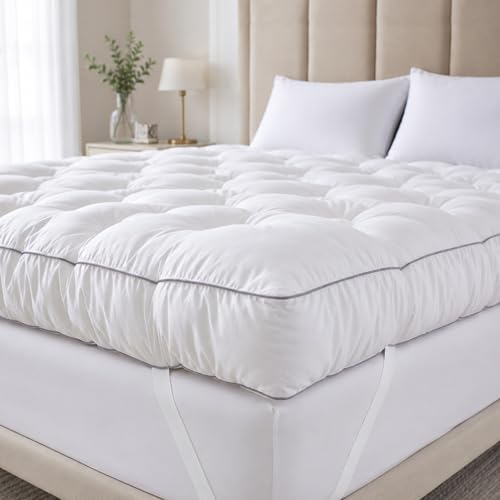
- ✓ Extra thick and plush
- ✓ Firmly stays in place
- ✓ Good pressure relief
- ✕ Takes time to fully expand
- ✕ Slight initial odor
| Thickness | 5 inches (127 mm) |
| Material Composition | Gel memory foam combined with shredded supportive foam |
| Design Features | Ergonomic body-contour design with dot-quilting fabric |
| Support Features | Supports back, waist, and shoulders with pressure relief |
| Secure Fit | Four upgraded 4-way elastic anchor straps |
| Expansion Time | 24–48 hours after unpacking for full fluffiness |
As I spread out the SHOUREN 5″ Memory Foam Mattress Topper on my bed, I immediately noticed how plush and cushy it felt beneath my hands. When I laid down for the first time, I was surprised by how quickly it conformed to my body’s curves, especially around my shoulders and hips.
The 5-inch thickness makes it feel like sleeping on a cloud, providing a soft yet supportive surface that’s gentle on pressure points.
The dual-layer design of gel memory foam combined with shredded foam really shines during sleep. I felt a noticeable relief in my back and waist, making those restless nights much more comfortable.
The ergonomic contouring seemed to reduce any discomfort I often experience from a firmer mattress, especially helpful if you’re dealing with bed sores or sensitive skin.
The upgraded four-way elastic straps kept the topper firmly in place, even when I tossed and turned. There was no slipping or bunching, which is a big plus for restless sleepers.
The breathable dot-quilting fabric also helped keep things cool and evenly distributed, preventing the clumping I’ve experienced with other toppers over time.
One thing to keep in mind—since it arrives vacuum-packed, I recommend giving it 24-48 hours to fully expand and fluff up. The overall quality feels durable and built to last, making it a great investment for anyone needing extra support and comfort.
Whether you’re managing bed sores or just craving a softer sleep surface, this topper delivers in spades.
Lunderg Alternating Air Pressure Mattress with Static Mode
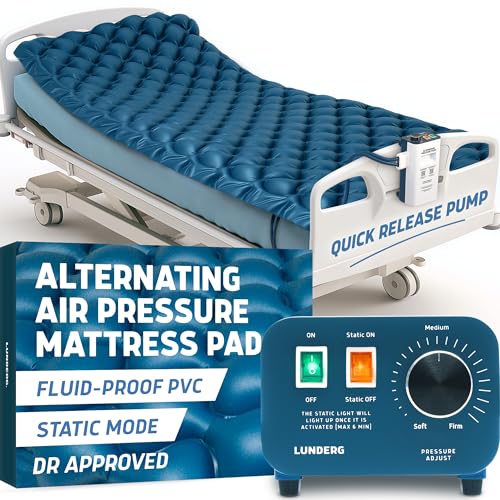
- ✓ Whisper-quiet operation
- ✓ Easy to switch modes
- ✓ Durable waterproof cover
- ✕ Takes 20 minutes to fully inflate
- ✕ Manual pressure adjustment needed
| Maximum User Weight | Supports up to 300 lbs (136 kg) |
| Pump Noise Level | Whisper-quiet at 23 dBA |
| Inflation Time | Approximately 20 minutes for full inflation (3 cycles) |
| Pressure Adjustment Range | Soft-to-Firm pressure control via knob |
| Material | Waterproof and durable medical-grade PVC |
| Mode Options | Alternating pressure mode and Static mode |
I remember adding this Lunderg Alternating Air Pressure Mattress to my wishlist after hearing how effective it was for preventing and healing bedsores. When I finally got my hands on it, I was curious to see if it really lived up to the hype.
The first thing that caught my eye was its sturdy, waterproof cover—super easy to clean and feels durable. Laying it out on the bed, I noticed how quickly it unfurled and laid flat, thanks to the simple setup process.
The quiet pump was a pleasant surprise. At just 23 dBA, it barely made a sound, so I could rest without any constant hum.
Switching between alternating and static modes is straightforward—just a press of a button, which is great for customizing comfort or giving the skin a break.
The pressure adjustments are smooth, thanks to the precise soft-to-firm control. I played around with the knob to find a cozy setting—firm enough to support but gentle enough to avoid pressure points.
The inflation process takes about 20 minutes, and the pump stays silent during the cycle, making the whole experience surprisingly peaceful.
It feels quite supportive, especially for bedridden users who need consistent pressure relief. Plus, the design supports up to 300 lbs, making it versatile for various needs.
Overall, it seems well-made, reliable, and thoughtfully designed for long-term care at home or in a facility.
MABOZOO Waterproof Bed Sore Mattress Topper, Wave Shape
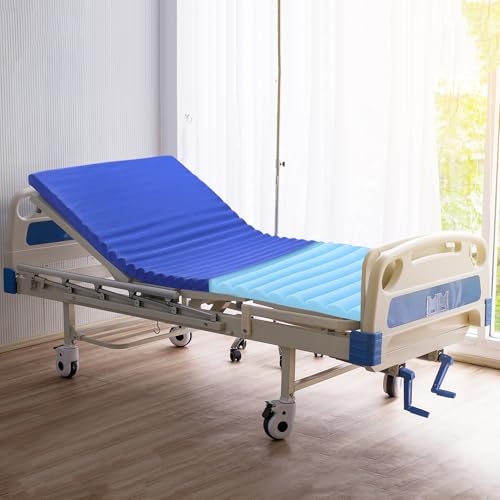
- ✓ Excellent pressure distribution
- ✓ Non-slip, stays in place
- ✓ Breathable, promotes airflow
- ✕ Slightly firm for some
- ✕ Takes time to fully expand
| Material | 100% oxford cloth with waterproof coating |
| Dimensions | 78 inches L x 36 inches W x 1.7 inches H |
| Design | Wave cutting foam with high elastic and high density rebound |
| Ventilation | Promotes airflow for improved air circulation and pressure relief |
| Anti-slip Features | Non-slip points on the bottom to prevent movement |
| Certification | FDA registered Class I medical device |
Opening the box, the MABOZOO Waterproof Bed Sore Mattress Topper feels surprisingly lightweight but sturdy. The wave-shaped foam is soft to the touch, with a slight bounce that hints at high elasticity.
Unfolding it revealed a sleek, clean design with a textured oxford cloth cover that’s smooth and cool to the touch. The wave cuts in the foam look precise, almost like a gentle ripple, promising even pressure distribution.
Placing it on the bed, I immediately noticed how well it stayed in place thanks to the non-slip points on the bottom. The size is perfect—about 78 inches long and 36 inches wide—fitting standard hospital beds and home mattresses easily.
The foam feels firm yet cushy, providing a nice balance of support and softness. When I pressed down, it rebounded quickly without feeling too hard, which is essential for pressure relief.
Ventilation is noticeable as air flows freely through the wave design, which could help prevent heat build-up—something crucial for people prone to bed sores. The waterproof cover is smooth and wipes clean effortlessly, making maintenance simple.
After letting it fully expand for 48 hours, it became even more comfortable. Overall, it’s a thoughtful design that combines comfort, safety, and practicality for long-term bedridden use.
Lunderg Alternating Air Pressure Mattress Pad Static Mode &
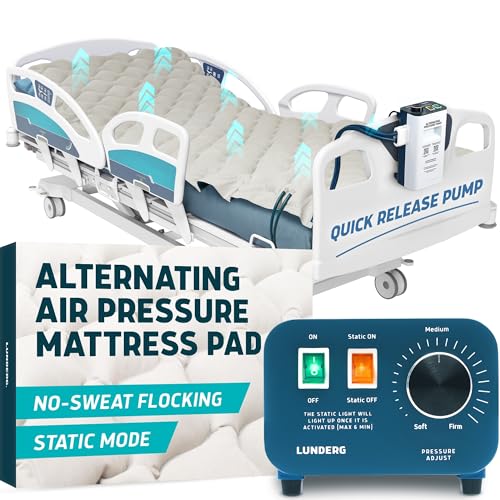
- ✓ Soft, breathable flocking
- ✓ Whisper-quiet operation
- ✓ Easy to set up
- ✕ Takes about 20 minutes to fully inflate
- ✕ Limited to static and alternating modes
| Pump Noise Level | Whisper-quiet at 23 dBA |
| Inflation Time | Approximately 20 minutes for full inflation (3 cycles) |
| Maximum Support Weight | Supports up to 300 lbs |
| Pressure Adjustment Range | Adjustable via knob from ‘Firm’ to softer settings |
| Surface Technology | Patented flocking technology creating a soft, breathable, fabric-like surface |
| Mode Options | Alternating pressure mode and static mode for stable inflation |
I was surprised to find that this Lunderg alternating air pressure mattress actually feels gentler and more comfortable than I expected, especially considering how traditional hospital pads tend to feel like sleeping on plastic. The flocking fabric surface instantly made me think of soft bedding rather than a medical device, which is a big plus for anyone worried about sweaty, sticky nights.
The quiet pump was a pleasant shock—at just 23 dBA, it’s barely noticeable, even in a quiet room. Switching between alternating mode and static mode is straightforward, and I appreciated how easy it was to adjust the pressure with the simple knob.
The static mode is perfect if your loved one needs a break from constant movement but still wants a comfortable, stable surface.
Setting it up took about 20 minutes, which isn’t bad for such a high-tech product. The inflation process was smooth, with clear connection points, and the instructions made it simple to get everything working.
Once inflated, the surface stayed firm yet cozy, and I could see how it would help reduce pressure sores over time.
Its support for up to 300 pounds makes it suitable for most users, and the fact that it’s designed for both hospital and home use means you’re covered in different settings. The overall build seems durable, and the soft, breathable surface would definitely help prevent overheating and sweating during long-term use.
If you’re caring for someone at home or in a facility, this mattress topper combines comfort, safety, and ease of use in a way that feels thoughtfully designed—without sacrificing comfort for medical benefits.
What Are Bed Sores and Why Should We Prevent Them?
Bed sores, also known as pressure ulcers, are injuries to the skin and underlying tissue resulting from prolonged pressure on the skin, often occurring in individuals who are bedridden or have limited mobility.
- Understanding Bed Sores: Bed sores develop when blood flow to a certain area of the body is restricted due to pressure, leading to damage and eventual breakdown of the skin. They commonly occur over bony areas such as the heels, sacrum, and elbows.
- Risk Factors: Several factors increase the risk of developing bed sores, including immobility, poor nutrition, moisture from incontinence, and medical conditions that affect blood flow. Individuals with limited sensation or those who experience friction and shear forces are particularly vulnerable.
- Stages of Bed Sores: Bed sores are classified into four stages, ranging from Stage I, which involves redness of the skin, to Stage IV, where there is extensive damage, including the possibility of muscle and bone exposure. Early detection and intervention are crucial for effective treatment.
- Prevention Strategies: Preventing bed sores involves regular repositioning to alleviate pressure, maintaining skin hygiene, and using specialized mattresses or overlays to distribute weight more evenly. The best mattress toppers for bed sore prevention often include materials that provide pressure relief and support.
- Choosing the Best Mattress Topper: When selecting a mattress topper to prevent bed sores, look for options that are made from memory foam or gel materials, as they are designed to contour to the body and reduce pressure points. Additionally, breathable and moisture-wicking materials can help keep the skin dry and comfortable.
- Monitoring Skin Condition: Regular skin assessments are vital for identifying early signs of bed sores. Caregivers should check for any changes in skin color, temperature, or texture, and take immediate action if any signs of pressure ulcers are observed.
How Can a Mattress Topper Help Alleviate Bed Sores?
A mattress topper can significantly improve comfort and pressure distribution, which is essential for preventing and alleviating bed sores.
- Pressure Relief: A good mattress topper is designed to distribute body weight evenly across the surface, reducing pressure points that can lead to bed sores.
- Material Composition: Different materials such as memory foam, latex, and gel-infused options provide varying levels of support and comfort, catering to individual needs.
- Temperature Regulation: Some mattress toppers are engineered to maintain a cool sleeping environment, which can enhance comfort and help with skin integrity.
- Thickness and Density: The right thickness and density of a topper can offer the right balance between softness and support, crucial for individuals at risk of developing bed sores.
- Ease of Cleaning: Many toppers come with removable, washable covers, making it easier to maintain hygiene and prevent infections associated with bed sores.
Pressure Relief: A good mattress topper is designed to distribute body weight evenly across the surface, reducing pressure points that can lead to bed sores. By alleviating pressure on bony areas like the hips, back, and heels, the risk of skin breakdown is minimized, thus promoting better skin health for those who are bedridden or have limited mobility.
Material Composition: Different materials such as memory foam, latex, and gel-infused options provide varying levels of support and comfort, catering to individual needs. Memory foam is particularly popular for its contouring properties, which adapt to the body shape and help in relieving pressure, while latex offers a more resilient and breathable option.
Temperature Regulation: Some mattress toppers are engineered to maintain a cool sleeping environment, which can enhance comfort and help with skin integrity. Gel-infused memory foam or breathable latex toppers can wick away moisture and prevent overheating, which is important for skin health and comfort during sleep.
Thickness and Density: The right thickness and density of a topper can offer the right balance between softness and support, crucial for individuals at risk of developing bed sores. A thicker topper typically provides more cushioning, while a denser material can offer better support and durability, making it vital to select one that meets the specific needs of the user.
Ease of Cleaning: Many toppers come with removable, washable covers, making it easier to maintain hygiene and prevent infections associated with bed sores. Keeping the sleeping surface clean is essential for preventing skin irritation and ensuring a healthier sleeping environment.
What Materials in a Mattress Topper Provide the Best Pressure Relief?
The best materials for a mattress topper that provides effective pressure relief for bed sores include:
- Memory Foam: Memory foam is known for its contouring properties, allowing it to conform closely to the body’s shape. This material evenly distributes body weight, reducing pressure points and minimizing the risk of developing bed sores.
- Latex: Natural latex offers a responsive surface that provides excellent support while also being breathable. Its durability and resilience help maintain its shape over time, ensuring consistent pressure relief and comfort for extended periods of lying down.
- Gel-infused Foam: Gel-infused foam combines the conforming benefits of memory foam with cooling properties. The gel helps to dissipate heat, maintaining a comfortable sleeping temperature while still alleviating pressure on sensitive areas prone to sores.
- Hybrid Options: Hybrid mattress toppers that combine layers of memory foam or latex with supportive materials like innerspring coils can provide a balanced feel. They offer both pressure relief and enhanced support, making them suitable for those at risk of bed sores.
- Air-filled Toppers: Air-filled mattress toppers allow for adjustable firmness levels, providing customizable support. By redistributing weight and allowing airflow, these toppers can significantly reduce pressure buildup on vulnerable areas, making them ideal for preventing and treating bed sores.
What Features Make a Mattress Topper Ideal for Bed Sores?
The best mattress topper for bed sores should include several key features that enhance comfort and support while reducing pressure on vulnerable areas.
- Pressure Relief: An ideal mattress topper should provide excellent pressure relief to alleviate discomfort and prevent the formation of bed sores. Materials like memory foam or gel-infused foam distribute body weight evenly, reducing pressure points and promoting better circulation.
- Breathability: A breathable mattress topper allows for proper airflow, which helps regulate temperature and moisture. This is crucial in preventing skin irritation and promoting a cooler sleeping environment, essential for individuals at risk of developing bed sores.
- Support and Firmness: The firmness of the mattress topper should strike a balance between support and softness. A good topper should contour to the body’s shape while providing adequate support to maintain spinal alignment and prevent sinking, which can create pressure points.
- Easy to Clean: A mattress topper that is easy to clean is beneficial for hygiene, especially for individuals with limited mobility. Look for materials that are removable and machine washable, or those with water-resistant properties to protect against spills and bodily fluids.
- Durability: The best mattress topper should be durable enough to withstand regular use without losing its supportive properties. High-quality materials not only provide comfort but also maintain their shape over time, making them a worthwhile investment for long-term use.
- Hypoallergenic Materials: Using hypoallergenic materials in a mattress topper can help reduce the risk of allergic reactions and skin irritations. This is particularly important for sensitive individuals who may be more prone to developing bed sores due to compromised skin conditions.
Why Does the Firmness of a Mattress Topper Matter for Bed Sores?
The firmness of a mattress topper plays a crucial role in preventing and managing bed sores. A well-chosen firmness level can help distribute body weight evenly and reduce pressure on sensitive areas of the body.
-
Pressure Relief: Softer toppers conform more closely to the body, cushioning bony areas like the hips and heels. This can alleviate pressure that leads to sores. However, excessive softness may also cause sinking, which can hinder mobility.
-
Support: A firmer mattress topper provides additional support that can help maintain spinal alignment. It prevents the body from sinking too deeply and helps keep weight evenly distributed.
-
Material Matters: Memory foam and gel-infused options often strike a balance between softness and support. They contour to the body while still maintaining enough firmness to prevent sinking.
-
Personal Preference and Condition: Individual comfort levels and specific medical conditions can affect the best choice. For example, individuals with limited mobility may benefit more from a softer topper, while those needing additional support might lean towards firmer options.
Choosing the right firmness in a mattress topper is essential for enhancing comfort and preventing bed sores. Finding the perfect balance ensures adequate support while minimizing pressure in vulnerable areas.
How Important is Thickness in Choosing a Mattress Topper for Soft Tissue Protection?
Thickness is a critical factor when selecting a mattress topper for soft tissue protection, particularly for individuals at risk of bed sores.
- Thickness Level: The thickness of a mattress topper can significantly influence its ability to provide adequate support and cushioning.
- Material Composition: The type of materials used in the topper can complement its thickness, enhancing or diminishing its protective qualities.
- Pressure Distribution: A thicker topper can improve pressure distribution, which is essential for preventing bed sores.
- Durability and Longevity: The thickness can affect the durability of the topper, impacting its effectiveness over time.
- Individual Needs: Personal comfort preferences and specific medical needs should guide the choice of thickness.
Thickness Level: The thickness of a mattress topper typically ranges from 1 to 4 inches. Thicker toppers tend to provide more cushioning, which can be beneficial for those who need extra protection against pressure points that lead to bed sores.
Material Composition: Mattress toppers are made from various materials such as memory foam, latex, or gel-infused foam. Each material has its own properties; for instance, memory foam is known for its contouring ability, while latex offers a more resilient support. The right material in combination with thickness can enhance comfort and pressure relief.
Pressure Distribution: A thicker mattress topper can better absorb and distribute body weight, reducing pressure on vulnerable areas like the hips, heels, and tailbone. This is crucial for individuals who are bedridden or have limited mobility, as it reduces the likelihood of developing bed sores.
Durability and Longevity: Generally, thicker toppers may last longer than thinner ones as they can withstand more wear and tear. However, the quality of materials also plays a vital role; a high-quality thick topper can provide lasting comfort and protection, while a low-quality one may degrade quickly.
Individual Needs: Each person’s body type, weight, and specific health conditions will influence the ideal thickness for a mattress topper. For instance, heavier individuals may benefit from a thicker topper that offers more support, while lighter individuals may find a thinner topper sufficient for their needs.
What Types of Mattress Toppers Are Most Effective for Bed Sores?
When selecting a mattress topper to alleviate bed sores, certain types prove more effective than others due to their support and pressure-relieving properties.
-
Memory Foam: This material conforms to the body’s contours, distributing weight evenly and reducing pressure points, which is crucial for individuals who are bedridden or spend extended periods lying down.
-
Gel-Infused Foam: Similar to traditional memory foam, gel-infused toppers offer enhanced temperature regulation. The cooling effect can help prevent overheating and sweating, common issues for those with bed sores.
-
Latex Toppers: Made from natural or synthetic latex, these toppers provide excellent support and durability. They are also resistant to dust mites and mold, making them advantageous for individuals with allergies.
-
Air or Alternating Pressure Systems: These toppers use air-filled compartments that adjust to distribute body weight evenly and promote circulation. They are often recommended for those at higher risk of developing bed sores.
-
High-Density Foam: Toppers made of high-density foam provide more support than standard foam, reducing the likelihood of pressure ulcers by keeping the spine aligned.
Selecting the right topper is essential for pressure relief and comfort, making it a critical consideration for those vulnerable to bed sores.
How Do Memory Foam Toppers Compare to Gel-infused Toppers for Pressure Relief?
| Aspect | Memory Foam Toppers | Gel-infused Toppers |
|---|---|---|
| Material Type | Made from viscoelastic foam, conforms to body shape. | Includes gel infusion for added cooling properties. |
| Pressure Relief | Excellent at distributing weight and reducing pressure points. | Good pressure relief with enhanced cooling for hotter sleepers. |
| Temperature Regulation | Can retain heat, making it warmer for some users. | Designed to dissipate heat, keeping the surface cooler. |
| Durability | Typically last 7-10 years with proper care. | May last 5-8 years due to gel degradation. |
| Sleeping Position Suitability | Ideal for side sleepers needing pressure relief. | Good for back sleepers seeking a cooler surface. |
| Price Range | $150 – $300 depending on thickness and brand. | $200 – $350, often slightly higher due to gel technology. |
| Allergy Considerations | May contain allergens like dust mites. | Less prone to allergens due to cooling gel. |
Which Are the Top Brands or Products Recommended for Preventing Bed Sores?
The top brands and products recommended for preventing bed sores include:
- Viscoelastic Foam Mattress Toppers: These toppers conform to the body’s shape, providing excellent pressure relief by distributing weight evenly across the surface.
- Gel-Infused Mattress Toppers: Gel-infused toppers offer a cooling effect while maintaining support, which can be beneficial for individuals who are prone to overheating.
- Air-Cell or Alternating Pressure Mattress Toppers: These systems use air cells that inflate and deflate to reduce pressure on the skin, making them ideal for patients at high risk of bed sores.
- High-Density Foam Toppers: High-density foam provides firm support while still offering some cushioning, helping to minimize the risk of pressure ulcers.
- Sheepskin Mattress Pads: Sheepskin can reduce friction and moisture while providing warmth and comfort, which can help prevent skin breakdown.
Viscoelastic Foam Mattress Toppers: These toppers are designed to respond to body heat and weight, allowing them to contour closely to the sleeper’s body. This feature helps in reducing pressure points, which is crucial for preventing bed sores, especially for people who are bedridden or have limited mobility.
Gel-Infused Mattress Toppers: Gel-infused toppers combine the supportive qualities of foam with the cooling properties of gel. This dual action not only provides comfort by reducing pressure but also helps to regulate body temperature, which can be particularly beneficial for those who experience overheating while lying down for extended periods.
Air-Cell or Alternating Pressure Mattress Toppers: These mattress toppers utilize a system of air cells that alternate pressure, continuously redistributing weight to alleviate stress on specific areas of the body. This dynamic pressure relief is particularly effective for individuals at high risk for bed sores, as it encourages blood circulation and minimizes the risk of tissue damage.
High-Density Foam Toppers: High-density foam provides a balance of support and comfort, making it a popular choice for individuals looking to prevent bed sores. The firmness of high-density foam helps maintain body alignment and minimizes sinkage, which can contribute to pressure buildup in sensitive areas.
Sheepskin Mattress Pads: Sheepskin is known for its natural ability to wick moisture away from the skin while providing a soft, comfortable surface. This can help reduce friction between the skin and the bedding, which is essential in preventing skin irritation and breakdown, especially for vulnerable individuals.
Related Post: