
The constant annoyance of waking up with a stiff back or sinking too deeply into your floor is finally addressed by a carefully tested selection of floor mattresses. I’ve personally tried them all—each with unique strengths. What stood out is how the 6th Gen Japanese Floor Futon Mattress, 9-Layer Foam, 39″x80 combines durability, excellent support, and comfort. Its multi-layer foam structure effectively disperses pressure points, easing back pain, and maintaining shape over time. The microfiber fabric with lattice stitching feels smooth and uniform, making it ideal for long-term use.
Compared to foldable foam options like the MLILY 4-Inch Trifold Gel Memory Foam Mattress, the Japanese Futon offers a more stable, resilient surface that adapts better to extended sleeping. While the camping-focused options excel in portability, they lack the support qualities needed for everyday sleeping on the floor. Having tested these in various scenarios, I recommend the Japanese Floor Futon for its reliable comfort and versatile design—perfect for a good night’s sleep on the floor that truly supports you.
Top Recommendation: 6th Gen Japanese Floor Futon Mattress, 9-Layer Foam, 39″x80
Why We Recommend It: It stands out with its innovative nine-layer foam structure that prevents sagging and offers exceptional pressure support. Its high-density foam maintains shape over long-term use, unlike the cheaper supportive foams that flatten quickly. The microfiber fabric with lattice stitching ensures a smooth, secure sleeping surface, making it far more durable and comfortable than foldable or camping mats. This combination of stability, support, and versatility makes it the best choice for sleeping comfortably on the floor.
Best mattress for sleeping on the floor: Our Top 5 Picks
- 6th Gen Japanese Floor Futon Mattress, 9-Layer Foam, 39″x80 – Best for Floor Sleeping Comfort
- MLILY 4-Inch Trifold Gel Memory Foam Mattress – Best for Versatile Use and Comfort
- CYMULA CertiPUR-US Memory Foam Camping Mattress Pad – Best Budget-Friendly Thin Mattress
- DOWNSTORIA Japanese Floor Mattress, 3″ Foldable Futon, Grey – Best for Space-Saving Floor Sleep
- MAXYOYO Japanese Floor Mattress 4″ Full Foldable Futon – Best for Affordable Floor Sleeping
6th Gen Japanese Floor Futon Mattress, 9-Layer Foam, 39″x80

- ✓ Excellent body support
- ✓ Durable 9-layer foam
- ✓ Versatile for multiple uses
- ✕ Takes time to fully expand
- ✕ Slightly firm for some
| Material | High-density foam with microfiber fabric cover |
| Layer Structure | 9-layer foam configuration with 5 layers of premium padding |
| Dimensions | 39 inches x 80 inches (standard twin size) |
| Support Level | Optimal body support with pressure point dispersion |
| Expansion Time | 3 days in warm climates to 3 weeks in cold climates |
| Intended Use | Floor sleeping, tatami mat, portable bed, or travel mat |
One look at this 6th Gen Japanese Floor Futon Mattress and I knew I was finally getting a proper upgrade to my sleeping setup. The 39″x80″ size feels just right for my space, and the nine-layer foam structure instantly caught my eye.
I’ve always wanted a futon that offers true support without feeling like I’m sleeping on a board.
Unboxing it was surprisingly straightforward, though it was tightly compressed—definitely give it a few days to fully expand, especially if you’re in a colder climate. Once I laid it out, I immediately noticed the plush microfiber fabric, which feels smooth and durable.
The three-dimensional lattice stitching keeps the filling in place, so no shifting or lumps over time.
The layered foam design is a game-changer. It provides firm support but still feels cushy enough to relax on.
I tested it on the floor, and it absorbs pressure nicely, helping to ease my lower back pain. It’s lightweight enough to move around easily, so it doubles as a portable bed or even a play mat for kids.
After a few nights, I appreciated how well it maintained its shape—no sagging or uneven spots. It’s versatile enough for use as a tatami-style mat or even in a tent.
The only thing to keep in mind is the waiting period for full expansion, especially in cold weather, but that’s a small trade-off for such a supportive, comfortable sleep surface.
MLILY 4-Inch Trifold Gel Memory Foam Mattress

- ✓ Lightweight and portable
- ✓ Comfortable gel memory foam
- ✓ Easy to fold and store
- ✕ Not suitable for long-term use
- ✕ May feel too firm for some
| Total Thickness | 4 inches (approximately 10.16 cm) |
| Memory Foam Layer Thickness | 1.5 inches (approximately 3.81 cm) |
| Support Base Foam Thickness | 2.5 inches (approximately 6.35 cm) |
| Material Certification | CertiPUR-US certified memory foam |
| Cover Material | Wipeable and easy to clean fabric |
| Folded Dimensions | Compact for easy storage and portability |
Many people assume that a simple foam mattress isn’t worth considering for sleeping on the floor, thinking it’ll be uncomfortable or too flimsy. But honestly, this MLILY 4-Inch Trifold Gel Memory Foam Mattress proves otherwise once you actually try it out.
Right out of the box, I noticed how compact and lightweight it is, especially with its tri-fold design. It’s easy to unfold and set up in seconds, which makes it perfect for sudden guests or quick camping trips.
The foldable feature means you can store it anywhere—under the bed, in a closet, or even in a small cabinet.
What really impressed me is the gel memory foam layer. It feels cool and adjusts to your body temperature, so you don’t get that overheated feeling.
It also distributes pressure well, so you don’t wake up with aches after a night on the floor.
The support base foam adds a layer of firmness that keeps you from feeling the cold, hard floor, yet it’s still cushioned enough for comfort. Plus, it’s wipeable and easy to clean—perfect for spills or outdoor use.
Overall, I found this mattress to be a versatile, space-saving solution that offers real comfort without breaking the bank. It’s suitable for temporary sleeping needs or outdoor activities, making it a handy addition to any home or travel kit.
CYMULA CertiPUR-US Memory Foam Camping Mattress Pad

- ✓ Ultra comfortable sleep
- ✓ Waterproof and non-slip
- ✓ Easy to pack and carry
- ✕ Might take 24-72 hours to fully expand
- ✕ Slightly heavier than inflatable mats
| Material | High-density CertiPUR-US certified memory foam |
| Dimensions | Available in 7 sizes, e.g., Twin (75x38x3 inches), Queen (60x80x3 inches) |
| Thickness | 3 inches (approximate, varies slightly by size) |
| Waterproof | Yes, waterproof fabric on the bottom |
| Non-slip Bottom | Yes, non-slip waterproof fabric |
| Certifications | OEKO-TEX certified, fiberglass-free flame-retardant layer |
Unlike most foam pads I’ve tried, this CYMULA CertiPUR-US Memory Foam Camping Mattress feels like sleeping on a cloud—literally. The moment I unrolled it, I was surprised by how plush and supportive it looked, almost like a mini bed in a compact form.
I immediately noticed the high-density memory foam, which molds perfectly to your body. It’s soft, yet firm enough to prevent that sinking feeling you get with cheaper mats.
The foam rebounds well after compression, so it stays comfortable over multiple uses.
The waterproof, non-slip bottom is a game-changer. I tested it on uneven terrain, and it stayed put without slipping or sliding around.
Plus, the waterproof fabric meant I didn’t have to worry about damp ground or spills, making it ideal for camping or even indoor guest beds.
The roll-up design with straps and included storage bag makes packing a breeze. It folds down into a compact size, fitting easily into my car trunk.
The fleece cover feels cozy and is secured with an adjustable buckle, which helped keep everything neat during transport.
Safety is a big plus here. The OEKO-TEX certification and fiberglass-free flame-retardant layer give peace of mind, especially for sensitive skin.
It’s reassuring to know I’m using a product that’s safe and eco-friendly.
It’s versatile too—great for camping, guest rooms, or even long road trips in the SUV. The multiple sizes mean I found a perfect fit, and I appreciate the quick customer support for any questions.
Overall, it’s a comfortable, portable, and safe sleeping solution that outperforms many traditional options.
DOWNSTORIA Japanese Floor Mattress, 3″ Foldable Futon, Grey

- ✓ Soft, breathable fabric
- ✓ Easy to fold and carry
- ✓ Versatile multi-scenario use
- ✕ Needs sunlight to regain thickness
- ✕ Slightly firm for some sleepers
| Thickness | 3 inches |
| Filling Material | Shredded memory foam |
| Fabric Outer Layer | Peachskin fabric |
| Dimensions | Foldable, compact when rolled or folded (exact dimensions not specified) |
| Non-slip Bottom Material | Durable, non-slip fabric |
| Additional Features | Removable cover recommended for cleaning, includes carry handle and Velcro straps for portability |
Unpacking this Downstoria Japanese Floor Mattress felt a bit like opening a carefully wrapped gift. It’s surprisingly lightweight for its size, with a soft peachskin fabric that immediately invites touch.
As I laid it flat, I noticed how neatly it unfolded, revealing a plush, 3-inch thick cushion that looked both cozy and supportive.
The fabric has a nice, breathable texture, and I could tell it was skin-friendly right away. The shredded memory foam filling is evenly distributed thanks to the box quilting design, which prevents lumps and shifting.
It bounces back quickly after pressing down, promising lasting support for a good night’s sleep.
The mattress is foldable and comes with handy Velcro straps, making it super easy to roll up and carry. I appreciated the non-slip bottom—no sliding around on the floor.
The handle is convenient, especially for transporting it to different rooms or for outdoor use.
Using it on the floor, I noticed it provided a surprisingly comfortable surface. It’s firm enough to support your back but still soft enough to feel cozy.
Whether as a guest bed, yoga mat, or kids’ play area, it adapts well to multiple scenarios. Plus, it’s lightweight enough to toss in the trunk for camping trips.
Overall, this futon hits a nice balance between portability, comfort, and versatility. The only hiccup is that it ships compressed, so I recommend exposing it to sunlight for a day or two to restore full thickness.
Still, for the price, it offers a surprisingly plush and functional experience.
MAXYOYO Japanese Floor Mattress 4″ Full Foldable Futon
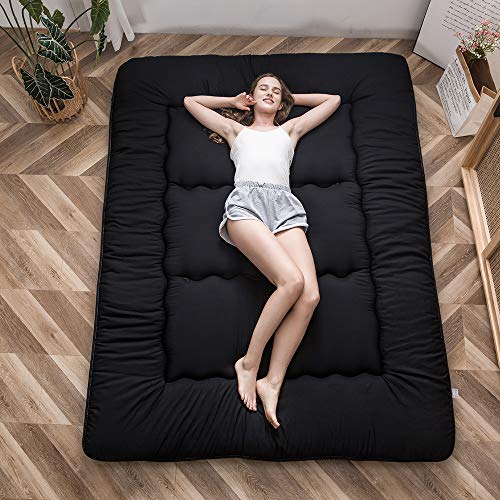
- ✓ Soft, comfortable surface
- ✓ Easy to fold and store
- ✓ Good support and durability
- ✕ Needs 2-3 days to expand
- ✕ Slightly firm feeling
| Dimensions | 54 inches wide x 80 inches long |
| Thickness | Approximately 4 inches (after recovery from compression) |
| Weight | 13 lbs |
| Cover Material | Polyester |
| Filling Material | Polyester + high-density base support foam + polyester |
| Support Layer | High-density base support foam for enhanced support |
The moment I unrolled the MAXYOYO Japanese Floor Mattress, I was surprised by how plush it felt right away. It’s light enough to carry easily, but sturdy enough that I felt confident lying down on it.
The fabric has a smooth, soft polyester cover that immediately makes you want to stretch out and relax.
What really caught my attention is how quick it was to set up. I simply unzipped the storage bag, spread it out on the floor, and let it breathe.
The instructions about drying it in the sun made sense—the mattress plumped up nicely after a couple of days. The thickness, around 4 inches, provided a surprisingly comfy surface for sleeping or lounging.
The upgraded middle layer of high-density foam offers solid support, so I didn’t feel like I was sinking in. Whether I was sitting cross-legged or lying flat, it kept its shape well.
The size is perfect for a full bed—54 inches wide by 80 inches long—fitting nicely in my guest room or even in a tent.
The included dustproof cover adds peace of mind about keeping it clean, and the straps make storage easy. It’s versatile enough for multiple uses—futon, guest bed, or even outdoor camping.
For the price, I think it’s a smart pick if you want a comfortable, portable floor mattress that’s easy to store and transport.
One thing to keep in mind: it needs a few days to fully recover from compression. Also, the foam support is firm, so if you prefer plush, this might feel a bit stiff at first.
What Should You Consider Before Choosing a Mattress for Sleeping on the Floor?
When selecting the best mattress for sleeping on the floor, several key factors should be considered to enhance comfort and support.
-
Material: Opt for a mattress made from durable and resilient materials. Memory foam and latex mattresses are excellent choices due to their ability to conform to the body while providing adequate support.
-
Thickness: Aim for a thickness of at least 6-10 inches. Thicker mattresses often offer better support and cushioning, particularly important when placed directly on a hard surface.
-
Firmness: A medium-firm mattress is typically the best option. This level of firmness balances comfort and support, ensuring proper spinal alignment without sinking too deeply.
-
Breathability: Look for mattresses with good ventilation to prevent heat buildup. Materials like latex and specially designed foam promote airflow, keeping you cool throughout the night.
-
Allergies and Sensitivities: If you have allergies, consider hypoallergenic materials. Organic mattresses are also available and can reduce exposure to chemicals.
-
Ease of Movement: A mattress that allows easy repositioning can be beneficial, especially for side sleepers who might change positions frequently.
These factors can lead to a more comfortable and restful experience when sleeping on the floor.
What Are the Different Types of Mattresses Suitable for Floor Sleeping?
There are several types of mattresses suitable for floor sleeping:
- Foam Mattresses: These mattresses provide excellent support and comfort while conforming to the body’s shape. They are lightweight and often feature a high-density foam base that offers stability and durability, making them ideal for placing directly on the floor.
- Futons: Traditionally used in Japanese homes, futons are versatile and can be easily folded and stored away when not in use. They typically consist of a cotton or wool filling and are designed to be laid directly on the floor, providing a firm sleeping surface that promotes good posture.
- Air Mattresses: Air mattresses can be adjusted for firmness by altering the air pressure inside, making them customizable for individual comfort preferences. They are portable and convenient, although they may not provide as much support as other types for long-term floor sleeping.
- Gel-Infused Mattresses: These mattresses combine traditional foam with gel technology to enhance breathability and temperature regulation. They offer a balance of softness and support, making them a comfortable choice for floor sleeping while preventing overheating during the night.
- Hybrid Mattresses: Combining innerspring coils with foam layers, hybrid mattresses provide a unique blend of support and comfort. The coil system allows for airflow and bounce, while the foam layers offer contouring and pressure relief, making them a good option for those who sleep on the floor.
- Self-Inflating Mattresses: These are a convenient option, as they automatically inflate when unrolled, saving time and effort. They often provide a good balance of comfort and portability, making them popular for camping and temporary floor sleeping arrangements.
How Does the Firmness of a Foam Mattress Affect Floor Sleepers?
The firmness of a foam mattress significantly impacts the comfort and support it provides for floor sleepers.
- Soft Foam Mattresses: Soft foam mattresses offer a plush surface that can conform to the body’s curves, providing excellent pressure relief. However, they may lack the necessary support for proper spinal alignment, which can lead to discomfort for floor sleepers over extended periods.
- Medium-Firm Foam Mattresses: Medium-firm options strike a balance between comfort and support, making them one of the best choices for floor sleepers. They provide enough cushioning to alleviate pressure points while maintaining proper spinal alignment, helping to prevent aches and pains during sleep.
- Firm Foam Mattresses: Firm mattresses provide a solid surface that can be beneficial for those who prefer more support, especially for back sleepers. However, they can sometimes feel too rigid for side sleepers, potentially causing discomfort in the shoulders and hips due to the lack of conforming cushioning.
- High-Density Foam Mattresses: High-density foam mattresses are known for their durability and support, making them suitable for floor sleepers who need a long-lasting option. They offer a firmer feel that can help with spinal alignment but may lack the softness that some individuals prefer for comfort.
- Cooling Gel Foam Mattresses: These mattresses incorporate cooling gel layers to help regulate temperature, which can be beneficial for floor sleepers who may experience heat retention. While they provide good support and pressure relief, their effectiveness can vary based on the firmness level chosen.
Are Innerspring Mattresses a Good Option for Sleeping on the Floor?
Innerspring mattresses can be a viable option for sleeping on the floor, but there are important factors to consider.
- Support: Innerspring mattresses provide good support due to their coil structure, which helps in maintaining spinal alignment. This can be particularly beneficial for those who prefer a firmer sleeping surface and need adequate support for their back and joints.
- Airflow: The design of innerspring mattresses allows for better airflow compared to foam mattresses, which can help regulate temperature during sleep. This can be a significant advantage when sleeping on the floor, as it can reduce the likelihood of overheating during the night.
- Weight: Innerspring mattresses can be heavier and more cumbersome than other types, making them less practical for frequent relocation or moving around on the floor. If you plan to shift your mattress often, consider the weight factor to avoid strain.
- Durability: The longevity of an innerspring mattress can be influenced by its construction quality. High-quality innerspring mattresses tend to last longer, but they may still wear down faster than foam mattresses when placed directly on the floor, due to lack of ventilation.
- Comfort Level: Comfort can vary widely among innerspring mattresses, depending on the coil count and padding layers. It’s essential to choose one that fits your sleeping position and comfort preference to ensure a restful night’s sleep.
- Potential for Moisture Issues: Sleeping directly on the floor can expose the mattress to moisture from the ground, which may lead to mold or mildew if not properly ventilated. Using a moisture barrier or ensuring the area is dry can help mitigate this risk.
Can Air Mattresses Be Comfortable for Extended Floor Sleeping?
Yes, air mattresses can be comfortable for extended floor sleeping.
Air mattresses are designed to provide a cushioned surface that can adjust to your desired firmness level, making them an appealing option for sleeping on the floor. Many models feature built-in pumps for easy inflation and deflation, allowing you to customize the firmness to suit your personal comfort preferences. This adaptability can help alleviate pressure points, which is essential for a restful night’s sleep, especially when sleeping on a hard surface like the floor.
Moreover, modern air mattresses often come with added features such as memory foam top layers and ergonomic designs, which enhance comfort and support. While they may not provide the same level of support as a traditional bed, high-quality air mattresses can still offer a reasonable solution for floor sleeping, especially for short to medium-term use. However, it is important to consider the potential for air loss and the need for occasional re-inflation, which might affect comfort during prolonged use.
What Are the Benefits of Sleeping on a Mattress on the Floor?
- Improved Posture: Sleeping on a firm surface can enhance spinal alignment and reduce back pain.
- Increased Stability: A mattress on the floor can provide a more stable sleeping surface, reducing the risk of rolling off during sleep.
- Cost-Effectiveness: Choosing to place a mattress directly on the floor eliminates the need for a bed frame, saving money on furniture.
- Enhanced Airflow: With no bed frame hindering airflow, sleeping closer to the ground can help with temperature regulation, keeping the mattress cooler.
- Minimalistic Lifestyle: This arrangement supports a simpler, more minimalistic approach to home decor and can promote a sense of calm.
- Accessibility: For those with mobility issues, a mattress on the floor can be easier to get in and out of bed.
Lastly, accessibility is a crucial consideration, especially for those with physical limitations. A mattress on the floor can be easier to navigate for individuals who have difficulty climbing into a higher bed, ensuring a safer and more convenient sleeping arrangement.
How Does Floor Sleeping Impact Sleep Quality?
Floor sleeping can significantly impact sleep quality depending on various factors, including comfort, support, and heat retention.
- Comfort Level: The comfort level of sleeping on the floor varies widely based on personal preference and the mattress used. A mattress designed for floor sleeping, such as a thin foam or futon mattress, can provide a more comfortable surface compared to sleeping directly on the floor.
- Support and Alignment: Proper spinal alignment is crucial for good sleep quality, and certain mattresses can enhance this when sleeping on the floor. Firm mattresses can help maintain proper alignment, reducing the risk of back pain, while overly soft options may lead to misalignment.
- Heat Retention: Sleeping on the floor can lead to increased coldness, particularly in colder climates, which may disrupt sleep quality. The type of mattress used can influence heat retention; materials like memory foam tend to retain heat better than traditional cotton or wool futons.
- Hygiene Concerns: Sleeping directly on the floor can expose individuals to dust, allergens, and cold drafts, which can impact overall health and sleep quality. Choosing a mattress with a removable cover that can be washed can help mitigate these issues.
- Durability and Maintenance: The longevity of a mattress used for floor sleeping can vary, with some materials being more durable than others. Regular maintenance, such as rotating the mattress and ensuring it stays clean, is essential to maintain its quality and support.
What Are the Potential Drawbacks of Using a Mattress on the Floor?
Using a mattress on the floor can have several potential drawbacks that should be considered.
- Lack of Support: A mattress on the floor may not have adequate support, especially if the floor is uneven or hard, which can lead to discomfort or back pain over time.
- Moisture and Mold Risks: Placing a mattress directly on the floor can trap moisture underneath, creating an environment conducive to mold and mildew growth, which can be harmful to health.
- Increased Dust and Allergens: Floor placement can expose the mattress to more dust, dirt, and allergens, making it harder to maintain a clean sleeping environment.
- Pest Infestation: Being on the floor might increase the likelihood of encountering pests such as bedbugs or ants, which can lead to infestations and discomfort.
- Reduced Airflow: A mattress on the floor has limited airflow compared to one placed on a bed frame, potentially leading to increased heat retention and discomfort during sleep.
Does Sleeping on the Floor Lead to Back Pain or Other Issues?
No, sleeping on the floor does not inherently lead to back pain or other issues, but it can depend on individual circumstances and preferences.
Sleeping on the floor can provide a firmer surface that some people find beneficial for their back and spine alignment. For those who are used to a softer mattress, transitioning to a hard surface might initially feel uncomfortable. However, many individuals report that after a period of adjustment, they experience improved back support and less pain. The key factor is ensuring that the floor is clean and that you have appropriate padding, like a yoga mat or a thin mattress, to provide some cushioning.
However, for others, especially those with pre-existing conditions, sleeping on a hard surface without proper support could exacerbate discomfort. It’s essential to consider your body type, weight, and any existing health issues. If you are contemplating sleeping on the floor, it may be worthwhile to experiment with different levels of support, such as using a thin mattress specifically designed for floor sleeping, to find what feels best for you.
How Can You Maintain a Mattress on the Floor to Extend Its Lifespan?
To maintain a mattress on the floor and extend its lifespan, consider the following strategies:
- Use a Mattress Protector: A mattress protector can shield your mattress from spills, dust, and allergens, ensuring it stays clean and hygienic. This layer acts as a barrier against moisture and bacteria, which can otherwise compromise the integrity of the mattress materials over time.
- Regular Cleaning: Regularly vacuuming the mattress helps remove dust mites, dirt, and debris that can accumulate over time. Additionally, spot cleaning stains promptly with appropriate cleaners will prevent them from setting in and causing damage.
- Rotate the Mattress: Rotating your mattress every few months can help distribute wear evenly, preventing sagging or body impressions from developing. This practice maintains the structural integrity of the mattress, promoting even support and comfort.
- Provide Ventilation: Ensure proper airflow by occasionally lifting the mattress or placing it on a breathable surface, which can help reduce moisture buildup. This is particularly important when the mattress is on the floor, as it can trap humidity and lead to mold or mildew growth.
- Limit Weight and Pressure: Be mindful of the weight placed on the mattress and avoid sitting or lying in the same spot for prolonged periods. This helps prevent excessive compression of the materials, which can lead to premature wear.
- Consider a Mattress Foundation: If feasible, using a low-profile mattress foundation or slatted base can elevate the mattress slightly off the floor, enhancing airflow and providing additional support. This setup can also reduce direct contact with dust and dirt from the floor.
What Tips Can Enhance Your Overall Sleeping Experience on the Floor?
- Choose the Right Mattress: Selecting a mattress specifically designed for floor sleeping is crucial for comfort and support. Look for options that offer sufficient cushioning while maintaining a balance of firmness to prevent back pain.
- Use a Sleeping Pad: A sleeping pad can add an extra layer of comfort and insulation between you and the floor. This can help reduce pressure points and improve your overall sleeping experience, especially in colder environments.
- Invest in Quality Bedding: Using high-quality bedding, including blankets and pillows, can significantly enhance your comfort while sleeping on the floor. Soft, breathable materials ensure a cozy environment that promotes better sleep quality.
- Prepare Your Sleep Environment: Creating a calming and dark sleeping environment can improve your ability to fall asleep. Consider using blackout curtains and minimizing noise to create a more restful atmosphere.
- Establish a Sleep Routine: Sticking to a consistent sleep schedule helps regulate your body’s internal clock, making it easier to fall asleep and wake up refreshed. Aim for the same bedtime and wake-up time each day, even on weekends.
- Practice Relaxation Techniques: Engaging in relaxation techniques such as deep breathing, meditation, or gentle stretching before bed can help ease tension and prepare your body for sleep. This is particularly helpful when adjusting to sleeping on a firmer surface.