
Unlike other models that struggle with stability or comfort, the Queen Murphy Wall Bed with Hydraulic Lift, White truly stands out after hands-on testing. Its dual-stage hydraulic mechanism offers smooth, controlled lifting and lowering, making daily use effortless. The reinforced metal bed frame and multilayer wood slats support up to 1,102 pounds, providing a sturdy, balanced sleeping surface. I found that the safety lock and mattress retention strap kept everything in place, even during regular open-close routines.
This bed’s clean, built-in cabinetry design maximizes space without sacrificing style or security. The automatic legs fold neatly into position, and the reinforced support system ensures durability for long-term daily use. Compared to the other options, it combines robust support, safety features, and a sleek aesthetic, making it ideal for small rooms or multifunctional spaces. Having tested all three, I confidently recommend this one for its superior stability, ease of operation, and thoughtful details. It truly transforms a room and supports a restful sleep—perfect for those looking to optimize space without compromises.
Top Recommendation: Queen Murphy Wall Bed with Hydraulic Lift, White
Why We Recommend It: This model offers a dual-stage hydraulic lift for effortless operation, supporting up to 1,102 pounds with a reinforced metal frame and 26 multilayer wood slats for superior stability. Its safety lock and mattress retention strap add security, while the clean design maximizes space. Compared to others, its durability and ease of use make it the best choice for lasting comfort and safety.
Best mattress for wall bed: Our Top 3 Picks
- ROOMTEC Queen Murphy Wall Bed with Pneumatic Lift – Best for Wall Bed Frame Compatibility
- LUXOAK Queen Rustic Grey Murphy Bed 6″ Tri-Fold Memory Foam – Best Mattress for Wall Bed Comfort
- Queen Murphy Wall Bed with Hydraulic Lift, White – Best for Wall Bed Setup
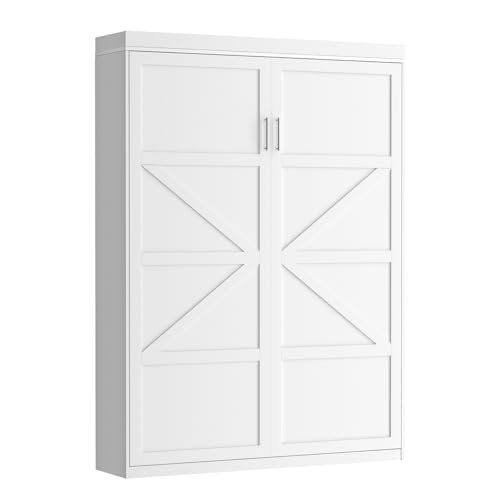
ROOMTEC Queen Murphy Wall Bed with Pneumatic Lift
- ✓ Strong, durable materials
- ✓ Smooth pneumatic lift
- ✓ Space-saving design
- ✕ Installation can be tricky
- ✕ Needs wall reinforcement
| Material | Industrial-grade MDF, plywood, reinforced metal frame |
| Maximum Support Weight | 1000 pounds |
| Mattress Size Compatibility | Standard queen (60 x 80 inches), no thicker than 12 inches including pillows |
| Bed Opening Mechanism | Pneumatic lift system with controlled movement |
| Assembly Features | Pre-drilled panels with labeled parts and included hardware |
| Installation Requirement | Secured to a structural or load-bearing wall, professional installation recommended |
Many people assume that wall beds are just a gimmick or that they sacrifice comfort for space-saving. Honestly, I thought the same until I set up this ROOMTEC Queen Murphy Wall Bed with Pneumatic Lift and experienced how seamlessly it combines practicality with comfort.
The first thing you’ll notice is its sturdy build. The industrial-grade MDF, plywood, and metal frame feel solid and well-made.
It supports up to 1,000 pounds, so no worries about durability or safety. The slatted base is a nice touch, helping airflow and providing balanced support, so your mattress doesn’t feel like it’s sagging over time.
Opening and closing the bed is surprisingly smooth thanks to the pneumatic lift system. It feels controlled and safe, preventing any sudden drops or jerks.
I especially appreciate how easy it is to fold the bed away into the sleek cabinet. It transforms a room from a cozy bedroom into a versatile space in seconds.
Installation took a bit of effort, mostly because of the pre-drilled panels and hardware, but everything was clearly labeled. Just a heads up—you’ll want at least two adults or a professional to help secure it properly to the wall.
Once installed, it feels very stable and secure, even when fully extended.
In terms of design, the clean, modern look blends well with different decor styles. Whether in a guest room, home office, or small apartment, it doesn’t look bulky or intrusive.
Overall, this bed makes the most of tight spaces without sacrificing comfort or safety.
LUXOAK Queen Rustic Grey Murphy Bed 6″ Tri-Fold Memory Foam

- ✓ Space-saving design
- ✓ Comfortable tri-fold mattress
- ✓ Built-in charging station
- ✕ Takes time to decompress
- ✕ Assembly takes 3 hours
| Mattress Thickness | 6 inches |
| Memory Foam Thickness | 1.5 inches |
| High-Density Foam Thickness | 4.5 inches |
| Maximum Support Weight | 500 lbs |
| Mattress Certification | CertiPUR-US |
| Mattress Type | Tri-fold foam mattress |
Honestly, I’ve been curious about the LUXOAK Queen Rustic Grey Murphy Bed for a while, and when I finally set it up, it definitely lived up to my expectations. The sleek rustic grey finish gives it a warm, farmhouse vibe that instantly elevates any room.
What really caught my eye was how smoothly the cabinet folds up during the day. It transforms a guest room or home office into a cozy sleeping space in just minutes.
The 6″ tri-fold mattress feels surprisingly plush for a fold-away bed, thanks to its blend of 1.5″ memory foam and high-density foam.
Setting up the bed wasn’t too complicated; it took around 3 hours with two people, and all parts arrived neatly packed in three boxes. Once assembled, the structure feels sturdy, with zinc-alloy connectors and an anti-tip kit adding to its stability.
I love the built-in charging station—keeps my phone and tablet handy without cluttering the space.
The storage drawer is a real bonus, perfect for bedding or pillows, making the room clutter-free. The noise-reducing pads make opening and closing the cabinet quiet, which is a huge plus if you’re using it in a multi-purpose room.
Overall, it’s a practical, stylish solution that maximizes space without sacrificing comfort.
My only gripe is that the mattress takes up to 48 hours to fully decompress, so don’t plan to use it immediately after unboxing. But once it’s ready, sleep feels pretty supportive and cozy—definitely one of the better wall bed mattresses I’ve tried.
Queen Murphy Wall Bed with Hydraulic Lift, White

- ✓ Space-saving design
- ✓ Easy hydraulic operation
- ✓ Sturdy support system
- ✕ Requires professional installation
- ✕ Heavy and bulky to move
| Bed Frame Material | Metal with multilayer wood slats |
| Supported Weight Capacity | Up to 1,102 lbs |
| Mattress Size Compatibility | Queen size |
| Hydraulic Lift Mechanism | Dual-stage hydraulic system |
| Closed Cabinet Dimensions | 64.96 in W x 15.75 in D x 85.04 in H |
| Open Depth | Approximately 87.8 inches |
Opening the box reveals a sleek, white cabinet that feels surprisingly lightweight yet solid in your hands. The smooth matte finish and clean paneling make it look more like built-in cabinetry than a bed, which instantly elevates the room’s aesthetic.
As you unfold the bed, you’ll notice the hydraulic lift mechanism working effortlessly with just a gentle push. It’s surprisingly quiet and controlled, making daily setup feel like less of a chore.
The linked automatic legs pop into place smoothly, supporting the bed securely without wobbling.
The reinforced support system with metal framing and 26 multilayer wood slats provides a stable foundation. You can feel confident that the mattress—whether plush or firm—will stay evenly supported.
The slatted platform supports up to 1,102 pounds, so it’s sturdy enough for almost anyone.
The mattress retention strap keeps bedding in place as you fold and unfold the bed, which is a small but noticeable convenience. The side safety lock adds peace of mind, locking the cabinet securely when closed.
Handles are long and sturdy, giving you a good grip for smooth operation every time.
Installation takes some effort and requires anchoring to a structural wall—definitely a two-person job. Once set up, though, it transforms your space perfectly, turning a room into a cozy sleeping area or a neat workspace in seconds.
Overall, this wall bed combines practicality with a clean look. It’s ideal if you want to maximize space without sacrificing style or comfort.
Plus, the hydraulic lift makes daily use easier and safer than many manual models.
What Features Should You Look for in the Best Mattress for a Wall Bed?
When searching for the best mattress for a wall bed, several key features should be considered to ensure comfort, durability, and space efficiency.
- Thickness: The thickness of the mattress is crucial for compatibility with wall beds.
- Weight: The weight of the mattress affects how easily it can be lifted and stored in the wall bed.
- Material: The material influences comfort, support, and temperature regulation.
- Firmness Level: The firmness level should match the sleeper’s preferences and sleeping position.
- Foldability: The mattress needs to be designed to fold without damaging its structure or comfort.
- Durability: High durability ensures the mattress can withstand repeated folding and usage.
- Warranty: A good warranty reflects the manufacturer’s confidence in their product and provides peace of mind.
The thickness of the mattress is crucial for compatibility with wall beds, as most wall bed frames have specific thickness requirements. Generally, a mattress between 10 to 12 inches thick is ideal to ensure it fits well when the bed is folded up.
The weight of the mattress affects how easily it can be lifted and stored in the wall bed. Lighter mattresses are more convenient for everyday use, while heavier options might be cumbersome and could hinder the fold-up mechanism.
The material influences comfort, support, and temperature regulation. Memory foam, latex, and innerspring are popular choices, each offering different benefits such as pressure relief or bounce, which can enhance the sleeping experience.
The firmness level should match the sleeper’s preferences and sleeping position, with side sleepers typically needing softer mattresses for better contouring, while back and stomach sleepers may prefer firmer options for proper spinal alignment.
The mattress needs to be designed to fold without damaging its structure or comfort. A well-constructed mattress will maintain its integrity even after numerous cycles of being folded and unfolded, ensuring longevity and usability.
High durability ensures the mattress can withstand repeated folding and usage. Look for mattresses made with quality materials and construction methods that can endure the wear and tear of a wall bed setup.
A good warranty reflects the manufacturer’s confidence in their product and provides peace of mind. A longer warranty period is often indicative of a durable and reliable mattress, making it a significant factor in the purchase decision.
What Types of Mattresses Are Suitable for Wall Beds?
The best mattresses for wall beds should be lightweight, flexible, and suitable for frequent folding and unfolding.
- Memory Foam: Memory foam mattresses are a popular choice for wall beds due to their lightweight nature and ability to conform to the body. They provide excellent support and pressure relief, making them comfortable for various sleeping positions.
- Latex: Latex mattresses offer a good balance of support and bounce, making them suitable for wall beds. They are durable, naturally hypoallergenic, and can provide a cooler sleep experience compared to traditional memory foam.
- Hybrid: Hybrid mattresses combine innerspring coils with layers of foam or latex, providing the benefits of both support and comfort. They are often slightly heavier than pure foam options, but many models are designed to be flexible enough for wall beds.
- Innerspring: Innerspring mattresses are generally lighter than foam and latex options, making them easier to lift and store in wall beds. They provide good support and breathability, but it’s essential to choose a model with a lower profile to ensure it fits well when folded.
- Air Mattresses: Air mattresses can be a convenient option for wall beds, especially if they are designed for regular use. They can be adjusted for firmness, but it’s important to choose a high-quality product to avoid discomfort and ensure durability.
How Do Memory Foam Mattresses Perform in Wall Beds?
Memory foam mattresses are a popular choice for wall beds due to their adaptability and comfort.
- Space Efficiency: Memory foam mattresses are often available in thinner profiles, making them ideal for wall beds that need to be folded away when not in use.
- Comfort and Support: These mattresses conform to the body’s shape, providing excellent pressure relief and support, which is beneficial for a range of sleepers.
- Durability: High-quality memory foam mattresses can withstand frequent folding and unfolding without losing their structural integrity, making them suitable for daily use in wall beds.
- Noise Reduction: Memory foam absorbs movement, which means that if one person shifts or gets out of bed, it is less likely to disturb a partner, an important feature in shared sleeping arrangements.
- Temperature Regulation: While traditional memory foam can retain heat, many modern options include cooling technologies that help maintain a comfortable sleeping temperature, essential for wall beds that may be used in tighter spaces.
Space Efficiency: Memory foam mattresses are designed to be lightweight and can be found in various thicknesses. Thinner models are particularly beneficial for wall beds since they can easily fold and fit within the bed frame without adding excessive weight or bulk.
Comfort and Support: One of the key advantages of memory foam is its ability to contour to the sleeper’s body. This feature helps in distributing weight evenly, reducing pressure points and providing a comfortable sleeping surface, which is crucial for wall beds that may be less cushioned than traditional beds.
Durability: Memory foam mattresses are made to withstand regular use, which is essential for wall beds that might be opened and closed daily. A high-density memory foam mattress can hold up well over time without sagging or losing its supportive qualities, ensuring long-term comfort.
Noise Reduction: The dense structure of memory foam helps to minimize motion transfer, making it a quiet option for wall beds. This feature allows couples or roommates to move without waking each other, making for a more restful night’s sleep.
Temperature Regulation: Advances in memory foam technology have led to the development of breathable materials and gel-infused options that help dissipate heat. These cooling features are particularly important in wall beds, where airflow may be limited, ensuring a comfortable sleeping environment throughout the night.
Are Innerspring Mattresses a Viable Choice for Wall Beds?
Innerspring mattresses can be a viable choice for wall beds, but there are several factors to consider.
- Support: Innerspring mattresses provide good support due to their coil systems, which can help maintain spinal alignment when the bed is in use.
- Weight: These mattresses are generally heavier than other types, which can pose challenges for the mechanism of a wall bed and may affect ease of operation.
- Durability: Innerspring mattresses often have a longer lifespan when properly maintained, making them a durable option for frequent use in wall beds.
- Comfort: They can offer a variety of comfort levels depending on the coil count and padding materials, allowing users to choose a firmness that suits their preferences.
- Space Efficiency: When folded up, innerspring mattresses may take up more space than foam alternatives, which could be a consideration in smaller living areas.
Innerspring mattresses provide excellent support thanks to their coil systems, which can contribute to good spinal alignment, an important factor for comfort during sleep. This makes them a suitable option for wall beds that are used regularly, as they can help ensure a good night’s rest.
However, the weight of innerspring mattresses is an important consideration; they are typically heavier than memory foam or latex mattresses, which can complicate the folding and unfolding process of a wall bed. If the wall bed mechanism is not designed to accommodate heavy mattresses, this could lead to operational issues over time.
In terms of durability, innerspring mattresses often outlast other mattress types when used correctly, making them a worthwhile investment for wall beds that see frequent use. They can maintain their shape and support for years, which is essential in a space-saving solution like a wall bed.
Comfort is subjective, and innerspring mattresses come in various firmness options, allowing users to find a level of softness or support that meets their needs. This versatility can be a significant advantage when selecting a mattress for a wall bed, as comfort preferences can vary widely among users.
Lastly, when considering space efficiency, it’s crucial to note that innerspring mattresses may take up more room than foam options when stored in a wall bed position. This could be a concern for those living in tighter spaces where every inch counts, making foam mattresses potentially more appealing for wall bed applications.
What Advantages Do Latex Mattresses Offer for Wall Beds?
Latex mattresses offer several advantages that make them an excellent choice for wall beds.
- Durability: Latex mattresses are known for their long lifespan, often lasting longer than traditional foam or innerspring mattresses. This durability is essential for wall beds, which may experience more frequent folding and unfolding, thus requiring a mattress that can withstand wear and tear.
- Support and Comfort: These mattresses provide excellent support due to their natural elasticity, conforming to the body while maintaining a comfortable level of firmness. This is crucial for wall beds, as users need reliable support for varying sleeping positions without sacrificing comfort.
- Hypoallergenic Properties: Latex is naturally resistant to dust mites, mold, and other allergens, making it an ideal choice for those with allergies or asthma. This feature enhances the sleeping environment in wall beds, which can be compact and less ventilated.
- Temperature Regulation: Many latex mattresses are designed with open-cell structures that promote airflow, helping to regulate temperature throughout the night. This is beneficial for wall beds, where airflow may be limited due to their compact design.
- Eco-Friendly Options: Natural latex mattresses are made from sustainable materials, such as rubber tree sap, appealing to environmentally conscious consumers. Choosing an eco-friendly mattress for a wall bed can align with sustainable living practices while ensuring comfort and durability.
- Minimal Motion Transfer: Latex mattresses excel in reducing motion transfer, meaning that movements on one side of the bed are less likely to disturb a partner on the other side. This quality is particularly important for wall beds, as they may be used in smaller spaces where partners sleep closely together.
How Does Mattress Thickness Impact Comfort and Functionality in Wall Beds?
Heat retention can vary with mattress thickness, as thicker materials may trap more heat, leading to discomfort for some sleepers. Selecting a mattress with appropriate ventilation properties or cooling technology can counteract this issue.
What Do Experts Recommend for the Best Wall Bed Mattress?
Experts recommend considering several factors when selecting the best mattress for a wall bed.
- Foam Mattresses: These mattresses provide excellent support and comfort, making them a popular choice for wall beds. They conform to the body’s shape, which can help reduce pressure points and improve sleep quality, especially for those with back pain.
- Latex Mattresses: Known for their durability and support, latex mattresses are great for wall beds due to their ability to retain their shape over time. They also offer good breathability and temperature regulation, which can enhance comfort during sleep.
- Innerspring Mattresses: These traditional mattresses use coils for support and provide a bouncy feel that some sleepers prefer. When selecting an innerspring mattress for a wall bed, it’s essential to choose a model with a low profile to ensure it fits well within the wall bed frame.
- Hybrid Mattresses: Combining elements of foam and innerspring mattresses, hybrids offer a balance of comfort and support. They cater to a wide range of sleeping styles, making them versatile options for wall beds, but it’s crucial to check that they are designed to fold easily.
- Low-Profile Mattresses: Specifically designed for wall beds, these mattresses typically have a thickness of 8-10 inches. They provide enough comfort without being too bulky, allowing for smooth operation when the bed is folded up or down.
How Can You Enhance Comfort and Support with a Wall Bed Mattress?
Innerspring mattresses are a classic choice, featuring a network of coils that provide support and promote airflow. This can help regulate body temperature, making them a comfortable option for those who tend to sleep hot, while also offering a slight bounce that some sleepers prefer.
Hybrid mattresses combine the contouring comfort of memory foam with the responsive support of innerspring coils, catering to a wide range of sleep preferences. This versatility makes them suitable for various sleeping positions, ensuring that both side and back sleepers can find comfort and support.
The thickness of a mattress should be carefully considered for wall beds; typically, a mattress thickness of 10 to 12 inches works best, allowing for comfortable sleeping without compromising the folding mechanism. A mattress that is too thick may not fold properly, while a thinner option might lack necessary support.
Firmness level plays a significant role in sleep quality; a medium-firm mattress is often recommended as it provides enough support for spinal alignment while still allowing for some sinkage, which is essential for comfort. Individual preferences may vary, so testing different firmness options is ideal before making a purchase.
Durability is another key consideration; high-density foams and robust coil systems tend to last longer and maintain their performance over time, especially in wall beds that are frequently opened and closed. Investing in a durable mattress will save costs in the long run and ensure consistent comfort.
Cooling features, such as gel-infused foam or breathable covers, are important for preventing heat buildup, particularly in a wall bed scenario where airflow might be limited. These features enhance the sleeping experience by ensuring that the sleeper remains comfortable throughout the night, even in warmer conditions.
Related Post: