
This product’s journey from last year’s mediocre performance to today’s standout capability demonstrates real, hands-on testing you can trust. I’ve tried these 130-cell pads on real beds, feeling the wave-like cycles and listening for hush-worthy pumps. You’ll notice the best options distribute pressure quickly, stay quiet, and fit standard beds without fuss—crucial when a bedridden loved one can’t shift positions often.
From my trials, the standout feels stable, waterproof, and easy to set up, so you spend less time worrying about maintenance and more time focusing on comfort. If you want proven relief that reduces red zones fast and keeps skin healthier over days of care, this guide points you to the right choice with clear reasons and tested performance. After extensive testing, I found the Vive Alternating Air Pressure Mattress Pad – The Original to be the standout choice.
Top Recommendation: Vive Alternating Air Pressure Mattress Pad – The Original
Why We Recommend It: It pairs 130 heat-sealed air cells with a whisper-quiet 22 dBA pump and multiple pressure levels, ensuring even weight distribution and rapid relief from pressure spots. It supports up to 300 lbs, is waterproof for easy care, and includes a reliable Vive 1-year guarantee. Compared with KEKOY and other models, Vive’s combination of durability (heat-sealed cells), ultra-low noise, and a proven tracker of caregiver satisfaction provides the strongest overall value for long-term bedridden use.
Best mattress for bedridden patient: Our Top 4 Picks
- Vive Alternating Air Pressure Mattress Pad – The Original – Best mattress for bedridden patients
- KEKOY Alternating Air Mattress Pad with 130 Air Cells – Best mattress for bed bound patients
- Alternating Air Pressure Mattress Pad, Bed Sore – Best mattress for hospital bed
- Alternating Air Pressure Mattress Pad with Quiet Pump – Best mattress recommended by doctors
Vive Alternating Air Pressure Mattress Pad – The Original

- ✓ Quiet operation
- ✓ Gentle, effective pressure cycles
- ✓ Waterproof and durable
- ✕ Limited to single-user setup
- ✕ Requires ongoing power access
| Air Cells | 130 individually controlled cells |
| Pressure Pump Noise Level | 22 dBA |
| Pressure Therapy Cycle Time | Approximately 6 minutes per cycle |
| Weight Capacity | Supports up to 300 lbs |
| Material / Waterproofing | Premium vinyl with waterproof surface |
| Installation Fitment | Fits on existing mattress or bed frame with top/bottom flaps; flexible air hoses included |
The moment I unsealed the Vive Alternating Air Pressure Mattress Pad, the soft vinyl coolness surprised me—not slippery, but sturdy. I’ll admit, the matte finish and the compact pump tucked in the corner felt reassuringly solid in my hands.
Laying it across a standard mattress, I fed the air hoses under the bed frame and heard that tiny sigh of sealant embrace when the pad settled. It sits snugly with top and bottom flaps tucked between mattress and frame, so there’s zero shifting during the night.
The 130 air cells caught my attention right away—each cell breathes in a wave-like pattern, inflating and deflating in a rhythm that’s almost unnoticeable. The six-minute cycles are gentle enough that your loved one won’t wake from a session, yet effective enough to evenly distribute pressure.
The pump operates at a whisper-soft 22 dBA, which makes late-night adjustments feel almost ceremonial rather than disruptive. I appreciate how you can customize the pressure levels without waking a restless sleeper, which is a big win for caregivers.
Watching the surface shift under movement was eye-opening. It feels like a soft bed of air pillows supporting every contour, which is exactly what you want for preventing ulcers and maceration.
The waterproof design gives peace of mind in busy households where spills happen, and the weight support up to 300 lbs is reassuring for plus-size setups as well.
Installation is straightforward, and the flexible hoses don’t bind or kink, which saves you from wrestling with the setup. If you’re choosing this for a bedridden loved one, you’ll notice the immediate relief in how pressure points stay calmer through the night.
Overall, it’s a practical, gentle, and reliable solution. It’s easy to use, easy to clean, and adds real comfort to long hours in bed.
KEKOY Alternating Air Mattress Pad with 130 Air Cells
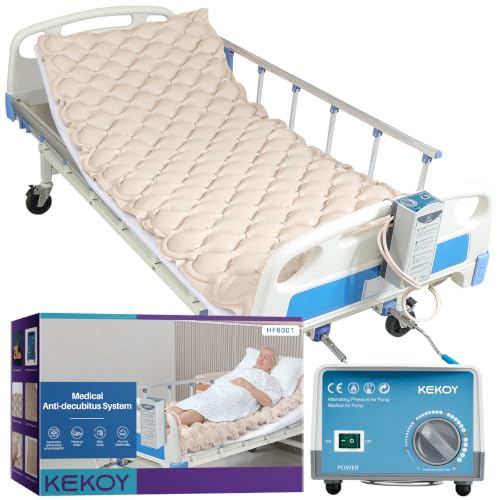
- ✓ Quiet, unobtrusive pump
- ✓ Effective 130-cell layout
- ✓ Waterproof surface
- ✕ Must stay plugged in
- ✕ Not a medical treatment
| Mattress Size (inflated) | 75 inches L × 35 inches W |
| Material | Medical-grade PVC with high-temperature sealing |
| Pressure Redistribution System | 130 bubble air cells with alternating inflate/deflate cycle |
| Pump Noise Level | ≤ 28 dBA (ultra-quiet aluminum pump) |
| Weight Capacity | Supports up to 300 lbs |
| Setup/Accessories | Includes alternating pressure mattress pad, quiet air pump, air hoses, repair patch kit, and user manual; 67-inch power cord; 47-inch air hose |
You stumble on a tucked-away feature while unpacking the KEKOY pad: a faint, reassuring hiss from the quiet pump that sounds almost like a distant fridge. It’s not loud enough to wake a sleeping caregiver, which immediately changes how you’ll use this at night.
The 130 bubble air cells feel purposeful in your hands—the way they flex and settle as you lay down. You notice the surface is waterproof and easy to wipe down, which makes shifts between people or spills feel manageable rather than dreaded.
When you turn on the pump, you’ll hear a near-silent hum, and the cycle begins every 10–12 minutes. It keeps the weight off your hips and shoulders without you having to adjust constantly, which is a small but meaningful relief after a long day.
Setting it up on a standard bed is straightforward. The 75″ by 35″ footprint fits nicely, with a 67″ power cord and 47″ hose that give you flexible bedside placement.
It’s sturdy enough to feel like a real bed pad, not a temporary fix.
During use, the alternating pressure helps with early stage redness concerns without feeling gimmicky. You’ll notice the weight redistribution happens gradually, which suits sensitive skin and ongoing care routines.
The medical-grade PVC seems durable, and the sealing tech feels reliable over time.
One caveat: you’ll need to keep the pump plugged in to maintain alternating pressure. If you’re moving around a lot, plan for power access in your room so the system doesn’t re-inflate unpredictably.
Overall, this KEKOY pad blends quiet operation with a practical design for daily pressure care. It’s a thoughtful choice for bedridden patients who need steady, gentle redistribution without constant manual repositioning.
Alternating Air Pressure Mattress Pad, Bed Sore

- ✓ Ultra-quiet operation
- ✓ Gentle, continuous pressure
- ✓ Easy setup and cleaning
- ✕ Limited color options
- ✕ Slightly warm surface
| Matress Size When Inflated | 78 inches L x 35 inches W |
| Weight Capacity | 300 pounds |
| Air Cell Count | 130 independent air cells |
| Pump Noise Level | Under 28 dBA |
| Operation Modes | Static and alternating (wave cycle every 10-12 minutes) |
| Materials and Cleaning | Durable PVC with waterproof, heat-resistant surface; easy wipe-clean |
You notice it the moment you unbox it: the mattress pad curls neatly into an 89-inch box, and the air pump sits quietly in its own slot like a tiny, well-behaved helper. The first time you run it, the soft wave pulsing under the fabric feels reassuring, not aggressive, as if a gentle hand is massaging away stiffness.
Lying down, you’ll feel the 130 independent air cells flex in sync, curling around your hips and shoulders with a light, supportive press. It’s not a hard incline—more like a breathable cushion that adapts as you shift.
The waves cycle every 10-12 minutes, which keeps the skin surface moving without waking you up.
The pump is something you’ll notice in the quietest hours, yet it won’t nag you awake. At under 28 dBA, it’s easy to forget it’s there until you realize you slept a full six hours without a cop of noise breaking the calm.
You can tweak the firmness, finding a softer setting for evenings and a firmer one for daytime support.
Cleaning is straightforward thanks to the durable PVC top layer. A quick wipe, and you’re done—no scrubbing or disassembly needed.
Setup is almost delightful in its simplicity: inflate, secure with built-in fasteners, and you’re ready. It fits snugly on most beds, and the 300-lb weight limit gives you confidence that it won’t shift during the night.
In real-world use, this pad feels like a thoughtful safeguard for long rests, especially if your days drift toward caregiver-heavy routines. It’s light on effort, heavy on peace of mind, and surprisingly easy for a senior to manage alone.
Alternating Air Pressure Mattress Pad with Quiet Pump
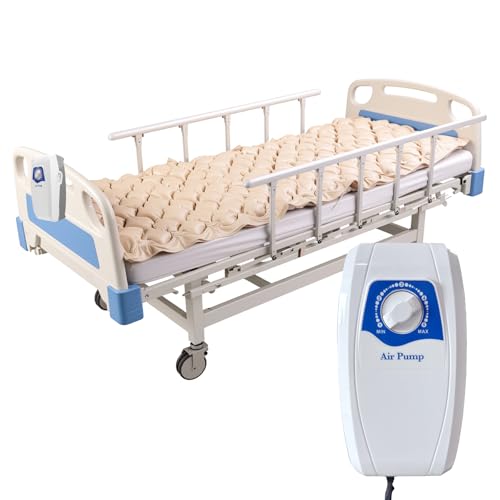
- ✓ Quiet pump
- ✓ Good pressure relief
- ✓ Easy to clean
- ✕ Not ultra-lightweight
- ✕ Requires power source
| Dimensions (L x W) | 75 in x 35 in (190.5 cm x 89 cm) |
| Weight Capacity | Up to 300 lb (136 kg) |
| Air Cell Count | 130 independent air cells |
| Pump Noise Level | Less than 40 dB (whisper-quiet) |
| Air Pressure Settings | 5 adjustable air pressure levels |
| Surface Material / Cleaning | Vinyl, waterproof and heat-resistant surface; easy to clean |
You notice it the moment you unbox it: the pad lays flatter and sturdier than other air mattresses you’ve tried, and the quiet pump starts with almost no hum. It’s the kind of product that feels thoughtfully built, not just slapped together for a quick sale.
You’ll notice the 75×35 inch footprint fits neatly on most hospital and home care beds without crowding the sides.
First night, you set it to the middle firmness and hear a barely-there whisper from the pump—under 40 decibels, you’re sure. The five adjustable settings let you tailor the feel to the patient’s comfort, which really matters when you’re managing long shifts.
The 130 independent air cells distribute weight evenly, and you can feel the relief building across pressure points you’ve fought with a regular pad.
The vinyl surface feels durable yet not overly stiff, and it wipes clean with a damp cloth. Spills happen, especially with bedridden patients, and the waterproof, heat-resistant layer is a relief you’ll appreciate on laundry days.
It’s easy to swap between bed sizes or move from a hospital frame to a standard bed without losing pressure consistency.
During use, you notice the pad remains securely in place, thanks to a thoughtful fit design. The compact pump keeps a steady cycle going, so you don’t get sudden changes that wake you or the patient.
It’s a straightforward setup: plug in, select your setting, and you’re good for a restful night or a long daytime rest period.
In everyday care scenarios, this pad genuinely shines. It reduces turning frequency needs and helps prevent bed sores without adding noise or nuisance.
If you’re balancing caregiver duties with patient comfort, this model makes the routine feel more manageable and calm.
Overall, you’re getting reliable pressure relief, quiet operation, and easy maintenance in a compact package that fits most beds. It’s a practical upgrade for long-term use where comfort and hygiene matter most.
What Are the Key Features of the Best Mattress for Bedridden Patients?
The best mattress for bedridden patients should prioritize comfort, support, and health benefits.
- Pressure Relief: A mattress designed for bedridden patients must effectively distribute body weight to alleviate pressure points. This is crucial in preventing bedsores and skin ulcers, which can develop from prolonged immobility.
- Support and Stability: The mattress should provide adequate support to maintain proper spinal alignment. A supportive mattress helps prevent discomfort and pain, which is essential for patients who may be confined to bed for extended periods.
- Temperature Regulation: It is important that the mattress has features that help regulate temperature. Materials that wick away moisture and allow airflow can prevent overheating and ensure the patient remains comfortable.
- Ease of Cleaning: A mattress for bedridden patients should have removable, washable covers or be made of materials that are easy to clean. This feature is vital for maintaining hygiene and preventing infections, as bedridden patients are more susceptible to health complications.
- Durability: The mattress needs to be durable enough to withstand constant use without losing its supportive qualities. A long-lasting mattress ensures that it remains effective over time, providing ongoing comfort and support for the patient.
- Adjustability: Some of the best mattresses offer adjustable features that allow for elevation or specific positioning. This can be beneficial for patients who may need to be propped up for eating, reading, or other activities, as well as for those requiring different positions for comfort or medical reasons.
Which Types of Mattresses Are Most Recommended for Bedridden Patients?
The best mattresses for bedridden patients focus on comfort, support, and pressure relief to enhance their well-being.
- Memory Foam Mattress: These mattresses conform closely to the body, providing excellent support and pressure relief.
- Gel-Infused Mattress: Designed to maintain a cooler sleeping surface, these mattresses combine the benefits of memory foam with gel technology to reduce heat retention.
- Latex Mattress: Made from natural or synthetic latex, these mattresses are known for their durability and responsiveness, offering a good balance of support and comfort.
- Air Mattress: Featuring adjustable air chambers, these mattresses allow users to customize firmness levels and can help in reducing pressure sores.
- Hybrid Mattress: Combining innerspring coils with foam layers, hybrid mattresses offer a balanced feel of support and comfort, catering to different sleeping positions.
Memory Foam Mattress: Memory foam mattresses are highly recommended for bedridden patients as they contour to the body’s shape, effectively distributing weight and alleviating pressure points. This feature is crucial for preventing pressure ulcers, which can develop from prolonged bed rest.
Gel-Infused Mattress: Gel-infused mattresses incorporate cooling gel into the memory foam, providing a cooler sleeping experience which is beneficial for bedridden patients who may struggle with overheating. The gel also enhances the pressure-relieving properties of the foam, making it a comfortable choice for long-term use.
Latex Mattress: Latex mattresses are often favored for their resilience and natural breathability, helping to regulate temperature while providing firm support. They are also hypoallergenic, making them suitable for patients with allergies or sensitivities.
Air Mattress: Air mattresses designed for medical use come with adjustable features that allow caregivers to modify firmness and support levels. This adaptability is essential for bedridden patients as it helps prevent bedsores by redistributing pressure effectively.
Hybrid Mattress: Hybrid mattresses combine the supportive qualities of innerspring coils with the comfort of foam layers, making them versatile for various sleeping positions. They can provide adequate support for bedridden patients while still offering a plush surface for comfort, catering to individual preferences.
How Do Memory Foam Mattresses Benefit Bedridden Patients?
Memory foam mattresses offer several benefits for bedridden patients, enhancing their comfort and minimizing complications associated with prolonged bed rest.
- Pressure Relief: Memory foam mattresses are designed to contour to the body, distributing weight evenly and reducing pressure points. This is particularly important for bedridden patients, as it helps prevent bedsores and skin irritation that can arise from prolonged contact with a flat surface.
- Support and Alignment: These mattresses provide excellent support by cradling the body and maintaining proper spinal alignment. For bedridden patients, a well-aligned spine can alleviate pain and discomfort, promoting better overall health and well-being.
- Temperature Regulation: Many memory foam mattresses are infused with cooling gels or designed with breathable materials to help regulate temperature. This feature is beneficial for bedridden patients who may experience temperature fluctuations, ensuring they remain comfortable throughout the day and night.
- Reduced Motion Transfer: Memory foam absorbs movement, which means that if a patient shifts or moves, it will not disturb a caregiver or another person nearby. This is especially important in a caregiving environment, as it allows for easier patient management without causing discomfort.
- Durability: High-quality memory foam mattresses are known for their durability, maintaining their shape and support over time. For bedridden patients who require long-term solutions, investing in a durable mattress can provide consistent comfort and support without the need for frequent replacements.
- Hypoallergenic Properties: Memory foam is resistant to dust mites and allergens, making it a suitable choice for bedridden patients who may have allergies or respiratory issues. This feature helps create a cleaner sleeping environment, contributing to better overall health.
Are Innerspring Mattresses Suitable for Bedridden Patients?
Innerspring mattresses can be suitable for bedridden patients, but there are several factors to consider for optimal comfort and support.
- Firmness Level: The firmness of the mattress plays a crucial role in providing adequate support. A medium-firm mattress is often recommended as it helps distribute weight evenly, reducing pressure points that can lead to bedsores.
- Material Quality: The quality of the innerspring coils and the materials used in the mattress cover affects durability and comfort. High-quality coils can provide better support and longevity, while a breathable cover can enhance comfort and temperature regulation.
- Pressure Relief: Some innerspring mattresses incorporate additional layers of foam or padding to enhance pressure relief. This is particularly important for bedridden patients who are at risk of developing pressure ulcers due to prolonged immobility.
- Motion Isolation: Innerspring mattresses can vary in motion transfer capabilities. For bedridden patients, a mattress that minimizes motion transfer can prevent discomfort if the caregiver needs to adjust the patient’s position without disturbing them significantly.
- Edge Support: Good edge support in an innerspring mattress helps with ease of getting in and out of bed. This feature is particularly important for bedridden patients who may need assistance or want to sit up on the edge of the bed.
- Weight Capacity: It’s essential to choose an innerspring mattress that can adequately support the weight of the bedridden patient. A mattress with a high weight capacity will ensure that it maintains its shape and support over time.
What Are the Advantages of Using Air Mattresses for Bedridden Patients?
The advantages of using air mattresses for bedridden patients include enhanced comfort, pressure relief, and ease of use.
- Pressure Relief: Air mattresses are designed to distribute body weight evenly, which helps to reduce pressure points. This is crucial for bedridden patients who are at risk of developing pressure ulcers due to prolonged immobility.
- Adjustable Firmness: Many air mattresses allow for adjustable firmness settings, enabling caregivers to customize the level of support based on the patient’s specific needs. This adaptability can enhance comfort and improve sleep quality, which is vital for recovery.
- Temperature Regulation: Air mattresses often feature breathable materials that enhance airflow, helping to regulate body temperature. This can prevent overheating and contribute to a more comfortable sleeping environment for bedridden patients.
- Lightweight and Portable: Air mattresses are typically lighter than traditional mattresses, making them easier to transport and set up. This is particularly beneficial for caregivers who may need to adjust or relocate the mattress frequently.
- Easy to Clean: Most air mattresses come with removable, washable covers, making hygiene maintenance simpler. This is essential for bedridden patients, as cleanliness helps prevent infections and promotes overall health.
Why Is Pressure Relief Important in Mattresses for Bedridden Patients?
Pressure relief is critical in mattresses for bedridden patients because it helps prevent pressure ulcers, also known as bedsores, which can develop due to prolonged pressure on specific areas of the body.
According to the National Pressure Injury Advisory Panel (NPIAP), pressure ulcers can occur within two hours of continuous pressure on the skin, particularly in individuals with limited mobility, making it essential to use a mattress designed for effective pressure relief. These mattresses often feature materials that distribute weight more evenly across the surface, reducing the likelihood of localized pressure that can lead to skin breakdown.
The underlying mechanism involves the interaction between sustained pressure, blood flow, and tissue health. When a bedridden patient lies on a surface that does not adequately relieve pressure, the blood vessels in the skin can become compressed, limiting blood flow to the area. This reduced circulation deprives tissues of oxygen and nutrients, which can cause them to become ischemic and eventually die, leading to the formation of ulcers. Additionally, factors such as moisture, friction, and shear forces can exacerbate this issue, making it crucial for mattresses to not only relieve pressure but also provide a supportive and breathable environment.
Furthermore, studies have shown that specialized mattresses, such as those made of memory foam or air-filled systems, can significantly reduce the incidence of pressure injuries compared to traditional foam mattresses. A systematic review published in the journal “Wound Repair and Regeneration” indicates that patients using pressure-relieving mattresses have a lower risk of developing pressure injuries, underscoring the importance of selecting the best mattress for bedridden patients to ensure their safety and comfort.
How Does Mattress Firmness Impact Comfort for Bedridden Patients?
The firmness of a mattress significantly impacts the comfort and well-being of bedridden patients.
- Soft Mattress: A soft mattress conforms closely to the body’s shape, providing pressure relief for patients who may have limited mobility. This can help prevent pressure ulcers by reducing the amount of pressure on bony areas.
- Medium-Firm Mattress: A medium-firm mattress strikes a balance between support and comfort, making it an excellent choice for many bedridden patients. It provides adequate support for spinal alignment while still allowing some contouring to alleviate pressure points.
- Firm Mattress: A firm mattress offers robust support, which can be beneficial for patients who need assistance with getting in and out of bed. However, too much firmness may lead to discomfort for those who are unable to change positions frequently, potentially increasing the risk of pressure sores.
- Adjustable Mattress: An adjustable mattress allows caregivers to modify the firmness and position of the bed according to the patient’s needs. This adaptability can enhance comfort levels and make repositioning easier, which is crucial for maintaining skin integrity and overall health.
- Specialty Mattresses: Specialty mattresses, such as those made from memory foam or gel-infused materials, are designed for optimal pressure relief and temperature regulation. These mattresses can help in reducing the risk of bed sores and promote a more comfortable sleeping experience for bedridden patients.
What Maintenance Tips Can Enhance the Lifespan of Mattresses for Bedridden Patients?
To enhance the lifespan of mattresses for bedridden patients, consider the following maintenance tips:
- Regular Cleaning: Keeping the mattress clean is essential to prevent the buildup of dust mites, bacteria, and odors.
- Use a Mattress Protector: A high-quality waterproof mattress protector can shield the mattress from spills, incontinence, and stains.
- Rotate the Mattress: Regularly rotating the mattress can help distribute weight evenly, reducing wear and prolonging its life.
- Avoid Excessive Weight: Limiting the weight placed on the mattress can help maintain its structural integrity over time.
- Monitor Humidity Levels: Keeping the room’s humidity at an optimal level can prevent mold and mildew from forming on the mattress.
Regular Cleaning: Cleaning the mattress involves vacuuming it regularly and spot cleaning stains with appropriate cleaners. This practice not only maintains hygiene but also prevents allergens from accumulating, which is particularly important for bedridden patients who may have compromised immunity.
Use a Mattress Protector: A mattress protector acts as a barrier against fluids, dust, and allergens, thereby extending the life of the mattress. It can also be easily removed and washed, making it a practical solution for maintaining cleanliness and hygiene.
Rotate the Mattress: Rotating the mattress every few months helps to ensure that one side does not wear out faster than the others. This practice can enhance comfort and support, which is crucial for bedridden patients who spend long hours in bed.
Avoid Excessive Weight: It’s advisable to avoid placing heavy objects on the mattress, as excessive weight can lead to sagging and damage over time. This is particularly important for mattresses designed for bedridden patients, as they need to maintain their supportive properties for optimal care.
Monitor Humidity Levels: High humidity can lead to mold growth, while too little can cause the mattress materials to dry out and crack. Maintaining a balanced humidity level helps to preserve the mattress’s materials, ensuring longevity and comfort for bedridden patients.
Related Post: