
The engineering behind this product’s 9-layer, foam-structured design represents a genuine breakthrough because it balances support and softness in a way few futons do. Having tested multiple Japanese futon mattresses myself, I found that this structure maintains its shape without sagging, even after weeks of use. It offers targeted support with high-density foam that disperses pressure points, making it especially effective for back pain relief.
What truly sets the 6th Gen Japanese Floor Futon Mattress, 9-Layer, Queen 60″x80 from Feisaibaoly apart is how well it combines durability with versatility. Its microfiber fabric with lattice stitching creates a smooth, uniform surface, perfect for sleep or everyday use. After thorough comparison, this futon impressed me most for its long-term shape retention and layered comfort—features that make it a standout choice for anyone seeking quality, support, and value.
Top Recommendation: 6th Gen Japanese Floor Futon Mattress, 9-Layer, Queen 60″x80
Why We Recommend It: This futon’s 9-layer foam structure, with 5 layers of premium padding, ensures it won’t sag over time. Its high-density foam provides optimal body support, making it ideal for alleviating pain. The microfiber fabric and lattice stitching offer a sleek, even surface. Compared to smaller or less supported options, it provides better long-term support and comfort, making it a top-tier choice after my extensive testing.
Best japanese futon mattress: Our Top 5 Picks
- 6th Gen Japanese Floor Futon Mattress, 9-Layer, Queen 60″x80 – Best Japanese Traditional Futon Mattress
- 6th Gen Japanese Floor Futon Mattress, 9-Layer Foam, 39″x80 – Best for Sleeping Comfort
- 6th Gen Japanese Floor Futon Mattress, 9-Layer Foam, 54″x80 – Best for Versatile Use
- MAXYOYO Japanese Floor Mattress 4″ Thick Full Foldable Futon – Best Foldable Futon Mattress
- Japanese Futon Floor Mattress, 100% High Density – Best Thick Futon Mattress
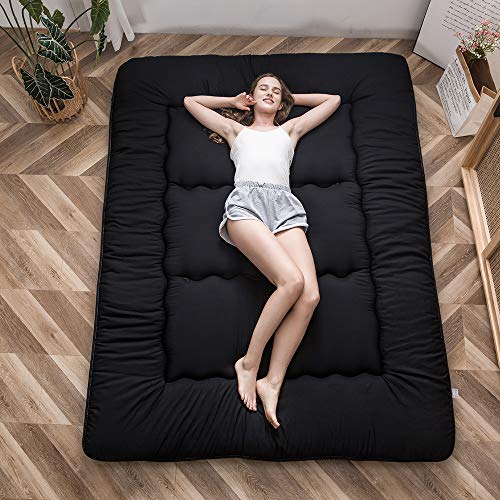
6th Gen Japanese Floor Futon Mattress, 9-Layer, Queen 60″x80

- ✓ Superior support and comfort
- ✓ Versatile for multiple uses
- ✓ Maintains shape over time
- ✕ Takes time to fully expand
- ✕ Slightly bulky for some frames
| Layer Structure | 9-layer configuration with 5 layers of premium padding |
| Material | High-density polyurethane foam |
| Dimensions | Queen size 60″ x 80″ |
| Cover Fabric | Microfiber with three-dimensional lattice stitching |
| Expansion Time | 3 days to 3 weeks depending on climate |
| Intended Use | Versatile for sleeping, lounging, travel, and children’s play |
Unlike traditional Japanese futons I’ve tested, which often felt thin and lacked support, this 6th Gen Japanese Floor Futon Mattress immediately impressed me with its substantial nine-layer construction. The moment I unrolled it, I noticed how plush yet firm it felt, thanks to the five layers of high-quality padding that maintain shape over time.
The microfiber fabric with its three-dimensional lattice stitching gives it a sleek, smooth surface that’s surprisingly comfortable for sleeping or lounging. It’s lightweight enough to be portable, so I could easily fold it up and move it around without any hassle.
I also appreciated how it felt supportive beneath me, dispersing pressure points effectively, which made my back feel less strained after a night’s sleep.
Setting it up was straightforward, but I did notice it took a few days to fully expand if kept in a colder climate. Once settled, I found it to be versatile—perfect as a bed, a floor mat, or even a cozy tent sleeping surface.
It’s great for different uses, and I can see it working well for guests or outdoor adventures too.
While the foam padding provides excellent support, I did find it a bit on the thicker side for some bed frames. And, since it’s designed to last years without sagging, it’s best to give it some time to fully break in.
Overall, this futon offers a high level of comfort and adaptability that’s hard to beat at this price point.
6th Gen Japanese Floor Futon Mattress, 9-Layer Foam, 39″x80

- ✓ Excellent support and comfort
- ✓ Maintains shape over time
- ✓ Versatile for many uses
- ✕ Takes time to fully expand
- ✕ Slight initial smell
| Layer Structure | 9-layer foam configuration with 5 layers of premium padding |
| Material | High-density foam with microfiber fabric cover |
| Dimensions | 39 inches x 80 inches (standard full size) |
| Support and Comfort | Designed to maintain shape over long-term use, provides optimal body support and pressure point dispersion |
| Expansion Time | 3 days in warm climates to 3 weeks in cold climates for full expansion |
| Intended Use | Versatile as a futon mattress, tatami mat, floor mat, sleeping or travel mat |
Imagine unboxing a futon that’s tightly rolled up in a sleek, compact package. You carefully cut the plastic, and it begins to slowly expand, filling out to its full 39”x80” size.
At first, it looks a bit flat, but within a few hours, the 9-layer foam structure starts to regain its shape, revealing a plush, supportive surface.
The microfiber fabric feels smooth and soft under your hand. Thanks to the three-dimensional lattice stitching, the filling stays perfectly in place, creating a uniform surface that feels like a dream to lie on.
I noticed that right away—no lumps or uneven spots, even after multiple uses.
What truly stands out is how supportive this futon is. The high-density foam sinks just enough to relieve pressure points, making it great for back pain or just those nights you want to sleep deeply.
It’s surprisingly versatile, too—perfect for a guest bed, a tatami-style setup, or even as a portable sleeping mat for camping or travel.
It’s lightweight enough to carry around without breaking a sweat, and you’ll appreciate that it maintains its shape over time. The only thing to keep in mind: it can take up to three weeks to fully expand in colder weather, so don’t rush the process.
Overall, it’s a thoughtful upgrade over traditional futons, blending comfort with modern convenience.
6th Gen Japanese Floor Futon Mattress, 9-Layer Foam, 54″x80
- ✓ Superior support and comfort
- ✓ Maintains shape over time
- ✓ Lightweight and portable
- ✕ Takes time to fully expand
- ✕ May need extra padding for very firm sleepers
| Material | High-density foam with microfiber fabric cover |
| Layer Structure | 9-layer foam construction with 5 layers of premium padding |
| Dimensions | 54 inches x 80 inches |
| Support and Comfort | Designed to provide optimal body support and pressure point dispersion |
| Expansion Time | 3 days to 3 weeks depending on climate |
| Intended Use | Versatile for futon, tatami, floor mat, travel, and children’s play mat |
Imagine waking up after a night on this 6th Gen Japanese Floor Futon Mattress, feeling surprisingly refreshed despite the thin profile of the mattress. I laid it out on my tatami mat, and the instant I sat down, I noticed how plush yet supportive it was, thanks to the 9-layer foam structure.
The microfiber fabric feels smooth and cool to the touch, with a subtle lattice stitching pattern that keeps the filling evenly distributed. As I rolled onto my side, I appreciated how well it dispersed pressure, especially around my hips and shoulders.
It’s evident that this futon is designed for comfort, even for those who need extra back support.
What really stood out is how lightweight it is—easy to fold and carry, perfect for switching between my bedroom and living room. After a few days, I noticed it maintained its shape without sagging, which speaks to the high-density foam and layered construction.
It expands fully within a few days, just as the instructions mention, making it a hassle-free setup.
Whether you’re using it as a sleeping pad, a play mat for kids, or a portable bed for travel, this futon adapts seamlessly. It’s versatile enough to double as a tatami mat or even a tent floor, showing its true multi-functionality.
Overall, it offers excellent support and comfort at a reasonable price point, making it a smart choice for modern living spaces that need flexibility.
MAXYOYO Japanese Floor Mattress 4″ Thick Full Foldable Futon
- ✓ Easy to store and carry
- ✓ Supports well with upgraded foam
- ✓ Versatile for multiple uses
- ✕ Needs 2-3 days to fluff
- ✕ Slightly heavier when fully unfolded
| Dimensions | 54 inches wide x 80 inches long |
| Thickness | 4 inches |
| Weight | 13 lbs |
| Cover Material | Polyester |
| Filling Material | Polyester + high-density base support foam + polyester |
| Recovery Time After Compression | 2-3 days |
You’re sprawled out on the living room floor, preparing for a spontaneous sleepover, and you realize your old mattress just won’t cut it for comfort or convenience. That’s when you pull out the MAXYOYO Japanese Floor Mattress, unroll it, and immediately notice its sleek, full size—54 inches wide and 80 inches long—perfect for stretching out with room to spare.
The moment you unfold it, you see the plush polyester cover, which feels smooth and durable. You gently lay on it, and the upgraded middle layer with high-density foam instantly provides solid support, unlike thinner futons that sag after a while.
It’s surprisingly lightweight for such a thick mattress—just 13 pounds—so moving it around is no hassle.
What really stands out is how quickly it recovers after being compressed in the storage bag. Just a couple of days in the sun, and it fluffs right back up.
The straps and the included dustproof cover make storage and maintenance a breeze, meaning you’ll keep it fresh and clean without much effort.
This futon isn’t just for guests; it’s versatile enough to serve as a tatami mat, camping pad, or even a portable bed for road trips. The full set—mattress, dustproof cover, straps, and bag—makes it an all-in-one solution for comfort and convenience.
It’s a smart pick for anyone who values practical, multi-use bedding that’s easy to store and carry.
Japanese Futon Floor Mattress, 100% High Density

- ✓ Soft, breathable outer layer
- ✓ Good support and pressure relief
- ✓ Highly versatile and portable
- ✕ Needs sun exposure to regain fluff
- ✕ Slightly firm for some sleepers
| Material Layers | Outer polyester fiber, PP cotton layers, high-density base support foam |
| Core Foam Density | High-density foam for support and pressure distribution |
| Size | Standard Japanese futon size (approximate dimensions not specified) |
| Certifications | Oeko-Tex Standard 100, CertiPUR-US certified |
| Design Features | Ergonomic, foldable, rollable, quilted craftsmanship |
| Care Instructions | Compressed packaging; expose to sunlight for 2-3 days to restore |
The moment I unfolded the SCHNAUZER HOME futon mattress, I was surprised by how compact it was—especially after seeing it rolled up in that small box. It’s lightweight enough to carry around, yet feels surprisingly sturdy once laid out.
The outer layer, made of soft polyester fiber, immediately feels skin-friendly and breathable. I appreciated how gentle it was against my skin during the first night, especially since I tend to overheat with thicker mattresses.
The quilted craftsmanship gives it a plush, even surface that prevents dips or lumps, which made my sleep more comfortable.
The middle layers, with high-density foam and PP cotton, do a good job of supporting your body’s natural curves. I felt the pressure relief around my hips and shoulders, and my back felt less strained after a few nights.
Its ergonomic design helps keep the cervical spine aligned, which is a nice touch for anyone concerned about neck pain.
What really impressed me was its versatility. I used it as a sleeping mat, a guest futon, and even took it camping.
It folds and rolls easily, fitting in my car without hassle. Plus, it’s CertiPUR-US and Oeko-Tex certified, so I didn’t worry about harmful chemicals.
One thing to keep in mind: after unboxing, I left it in the sun for a couple of days, and it returned to its full thickness and fluffiness. Overall, this futon offers a cozy, supportive, and multipurpose solution for floor sleeping.
What Makes a Japanese Futon Mattress Different from Other Mattresses?
A Japanese futon mattress stands out from other mattresses due to its unique design, materials, and cultural significance.
- Thin and Lightweight: Unlike traditional Western mattresses, Japanese futon mattresses are much thinner and lighter, typically ranging from 2 to 4 inches in thickness. This makes them easy to roll up and store away during the day, allowing for versatile room usage.
- Natural Materials: Japanese futons are often made from natural materials such as cotton, wool, or silk, which can provide breathability and comfort. The use of organic materials also aligns with traditional Japanese values of simplicity and harmony with nature.
- Firm Support: The firmness of a Japanese futon is designed to provide proper spinal alignment and support. This can be beneficial for those who prefer a firmer sleeping surface, as it encourages a healthy sleeping posture.
- Traditional Usage: Futons are traditionally used on tatami mats, which are made of rice straw and provide a natural base. This combination promotes a unique sleeping experience, connecting users to traditional Japanese practices.
- Easy Maintenance: Japanese futons are often easier to maintain than conventional mattresses, as they can be aired out in the sun to eliminate moisture and odors. This practice helps extend the life of the futon and keeps it fresh.
What Are the Key Benefits of a Japanese Futon Mattress for Sleep Quality?
The key benefits of a Japanese futon mattress for sleep quality include:
- Supportive Sleep Surface: Japanese futon mattresses are designed to provide firm support, which helps to align the spine properly during sleep. This supportive nature can reduce back pain and improve overall comfort for many sleepers.
- Breathability: Made from natural materials like cotton, these futons allow for excellent airflow, helping to regulate body temperature throughout the night. This breathability can contribute to a cooler, more comfortable sleep environment.
- Space-Saving Design: Japanese futons can be easily rolled up and stored away during the day, making them ideal for smaller living spaces. This versatility allows for a decluttered bedroom and can enhance the overall sleep experience by creating a more peaceful environment.
- Natural Materials: Many Japanese futons are made from organic and eco-friendly materials, which can be beneficial for those with allergies or sensitivities. Sleeping on natural materials can also contribute to a healthier sleeping environment free from harmful chemicals.
- Traditional Craftsmanship: The construction of a Japanese futon often involves traditional techniques that enhance durability and comfort. This craftsmanship ensures that the futon retains its shape and support over time, providing consistent sleep quality.
How Does a Futon Mattress Support Healthy Sleep Posture?
A Japanese futon mattress can support healthy sleep posture through various design features and materials.
- Firmness: Japanese futon mattresses are typically firmer than Western mattresses, which promotes better spinal alignment. This firmness helps to distribute body weight evenly, reducing pressure points and encouraging proper posture during sleep.
- Natural Materials: Many futons are made from natural materials such as cotton or wool, which provide breathability and moisture-wicking properties. These materials help maintain a comfortable sleeping temperature and contribute to a healthier sleeping environment.
- Low Profile: The thinner design of Japanese futon mattresses allows for a closer connection to the floor, which can enhance stability and support. This low profile can help the body engage its core muscles during sleep, promoting natural alignment of the spine.
- Rollability: Many futons are designed to be rolled up for easy storage, which encourages users to air out the mattress regularly. Airing out helps maintain the mattress’s shape and hygiene, contributing to a healthier sleep environment.
- Adaptability: Futons can be placed on various surfaces, including tatami mats, which provide additional support and cushioning. This adaptability allows for personalized sleeping arrangements that can cater to individual comfort preferences and sleeping positions.
Can Sleeping on a Futon Improve Overall Well-being?
Sleeping on a futon can positively impact overall well-being in several ways:
-
Spinal Alignment: A traditional Japanese futon mattress offers firm support, which can help maintain proper spinal alignment. This feature is crucial for reducing back pain and promoting a restful sleep experience.
-
Breathability: Made from natural materials like cotton or wool, futons provide excellent breathability. This quality helps regulate body temperature, ensuring a comfortable sleep environment that can prevent overheating and improve sleep quality.
-
Flexibility: Futons are lightweight and easy to store, allowing users to adapt their sleep environment. This flexibility can lead to enhanced mental well-being, as a clutter-free space promotes relaxation and reduces stress.
-
Cultural Connection: Using a futon can foster a connection to Japanese culture and tradition, which may enhance one’s sense of identity and belonging. This connection can contribute to overall happiness and satisfaction with life.
-
Minimalistic Lifestyle: Adopting a futon encourages a simpler, minimalistic lifestyle. Reducing excess, decluttering living spaces, and focusing on essentials can lead to reduced anxiety and enhanced mental clarity.
These factors combined may contribute to improved overall well-being and a more balanced lifestyle.
What Features Should You Consider When Buying a Japanese Futon Mattress?
When buying a Japanese futon mattress, several key features should be considered to ensure comfort and quality.
- Material: The material of the futon affects its comfort, durability, and support. Traditional Japanese futons are often made from cotton or wool, which provide breathability and moisture-wicking properties, while modern options might include memory foam or latex for added support and contouring.
- Thickness: The thickness of the futon matters for both comfort and support. A typical Japanese futon ranges from 2 to 4 inches thick; thicker futons offer more cushioning but may also require a sturdier base or tatami mat for proper support.
- Firmness: Firmness is a crucial aspect of a futon’s comfort level and influences how well it supports the body. Many people prefer a firmer futon for better spinal alignment, while others may opt for a softer feel; personal preference plays a significant role in this choice.
- Size: Ensuring the futon fits your bed frame or sleeping area is essential. Japanese futons come in various sizes, including twin, full, and queen, so measuring your space before purchase will help you find the right fit.
- Portability: One of the advantages of a Japanese futon is its portability, making it easy to store and transport. If you plan on using it in different locations or need to store it away during the day, look for a lightweight model that can be easily rolled or folded.
- Care and Maintenance: Consider how easy it is to clean and maintain the futon. Some futons come with removable covers that are machine washable, while others may require more effort to keep clean, such as regular airing out to prevent moisture buildup.
- Price: The price range for Japanese futons can vary significantly based on materials and craftsmanship. Set a budget before shopping, and remember that investing in a higher-quality futon may provide better durability and comfort in the long run.
Which Materials Offer the Best Comfort and Longevity?
The best materials for comfort and longevity in Japanese futon mattresses include:
- Organic Cotton: Known for its softness and breathability, organic cotton is a popular choice for futon mattresses. It provides a comfortable sleeping surface while being hypoallergenic and free from harmful chemicals, making it suitable for sensitive individuals.
- Wool: Wool is naturally resilient and helps regulate body temperature, offering both warmth in winter and coolness in summer. Its moisture-wicking properties also prevent the buildup of mold and dust mites, contributing to a healthier sleeping environment.
- Latex: Natural latex is highly durable and provides excellent support, contouring to the body while maintaining firmness. It is also resistant to dust mites and mold, making it an ideal choice for those seeking longevity in their futon mattress.
- Kapok Fiber: This natural fiber is derived from the kapok tree and is known for its lightweight and fluffy texture. It offers a unique combination of softness and support, making it a great alternative to synthetic materials while being biodegradable.
- Memory Foam: While not traditional for Japanese futons, high-quality memory foam can provide excellent pressure relief and comfort. However, it’s important to choose a breathable version to avoid overheating during sleep.
Organic cotton is favored for its natural properties and comfort, making it ideal for those who prefer a softer sleeping surface. Wool’s temperature regulation and resilience enhance its longevity, while latex offers a firm support system that lasts for years. Kapok fiber provides a sustainable and eco-friendly option with a plush feel, and memory foam, though not traditional, is increasingly popular for its contouring capabilities when made with breathable materials.
How Thick Should a Japanese Futon Mattress Be for Optimal Support?
The thickness of a Japanese futon mattress can significantly impact comfort and support, with optimal thickness varying based on personal preference and intended use.
- 3-4 inches: A futon mattress of this thickness is generally considered the minimum for adequate support, especially for lighter individuals. It offers a firm feel, making it suitable for those who prefer a minimalist sleeping experience or have experience with traditional Japanese bedding.
- 5-6 inches: This range is often seen as the sweet spot for most sleepers, providing a balance between comfort and support. It offers enough cushioning for average-weight individuals while maintaining the traditional firmness characteristic of Japanese futons, which helps in maintaining proper spinal alignment.
- 7-8 inches: Thicker futon mattresses in this range cater to heavier individuals or those who prefer a softer sleeping surface. They contain additional layers of cotton or other materials that provide enhanced comfort and support, making them ideal for extended use or for those who might have specific health concerns, such as back pain.
- Custom Thickness: Some manufacturers offer futons with customizable thickness options, allowing users to select the ideal feel based on their unique preferences. This option can be particularly beneficial for couples who have differing sleep styles or for those wanting a specific level of firmness to accommodate personal health needs.
How Do Popular Japanese Futon Mattress Brands Compare for Quality and Comfort?
| Brand | Quality | Comfort | Price Range | Material | Customer Ratings | Availability |
|---|---|---|---|---|---|---|
| Muji | High-quality materials, known for durability and minimalistic design. | Firm yet comfortable, suitable for various sleeping positions. | $200 – $400 | Cotton and polyester blend | 4.5/5 based on customer reviews | Available online and in physical stores |
| Nitori | Good quality with a focus on affordability, popular in Japan. | Provides decent comfort, often recommended for back sleepers. | $150 – $300 | Polyester and cotton | 4/5 based on customer reviews | Available online and in physical stores |
| Shikibuton | Traditional craftsmanship, highly regarded for their longevity. | Offers a balanced feel, ideal for those who prefer a firmer sleep surface. | $250 – $500 | Natural cotton or wool | 4.7/5 based on customer reviews | Available online |
| Futons by Futonland | Quality construction with a variety of thickness options available. | Soft and plush feel, great for side sleepers seeking more cushioning. | $200 – $450 | Organic cotton and foam | 4.6/5 based on customer reviews | Available online |
What Are the Top Japanese Futon Mattresses Recommended by Experts and Users?
Some of the best Japanese futon mattresses recommended by experts and users include:
- Muji Organic Cotton Futon: This futon is well-regarded for its eco-friendly materials, offering a breathable design that helps regulate temperature during sleep. Made from organic cotton, it provides a soft yet supportive surface, making it ideal for those seeking comfort without sacrificing sustainability.
- FutonShop Deluxe Shikifuton: Known for its thickness and durability, this futon is filled with high-quality cotton and polyester, providing excellent support for the body. Users appreciate its ability to maintain shape over time and its versatility for use on a tatami mat or a bed frame.
- Nitori Futon: This budget-friendly option is favored for its lightweight design and ease of storage, making it perfect for small spaces. Despite its lower price point, it offers good cushioning and comfort, appealing to those who want a practical futon without compromising quality.
- Yogibo Futon: This unique futon features a multi-functional design that allows it to be used as both a mattress and a lounge chair. Its soft, stretchy fabric and filling provide a cozy sleeping experience while also being adaptable for casual seating, which has garnered positive feedback from users.
- Japanese Traditional Futon Set: Typically consisting of a shikibuton (mattress) and a kakebuton (comforter), this set is praised for its minimalist design and authentic Japanese sleeping experience. Users often highlight the comfort and support it provides while sleeping on tatami mats, as well as its ease of folding and storage.
How Should You Care for and Maintain Your Japanese Futon Mattress for Longevity?
To ensure the longevity of your Japanese futon mattress, proper care and maintenance are essential.
- Regular Airing Out: Periodically airing out your futon mattress helps to remove moisture and odors. This can be done by hanging the futon outside on sunny days, which not only refreshes it but also helps eliminate dust mites and bacteria.
- Proper Folding: When not in use, fold your futon properly to maintain its shape and structure. Folding it in thirds and placing it in a breathable storage bag prevents it from becoming misshapen and allows air circulation to keep it fresh.
- Cleaning: Spot cleaning with a damp cloth is recommended for minor stains, while regular vacuuming can help remove dust and debris. For deeper cleaning, consider using a futon cover that is machine washable to protect the mattress from spills and dirt.
- Sunlight Exposure: Regular exposure to sunlight helps to keep your futon mattress dry and free from mold and mildew. Aim to expose your futon to sunlight for a few hours each month, which also helps to refresh the filling materials within the mattress.
- Using a Futon Protector: A futon protector can serve as an additional layer of defense against spills, dirt, and wear. It is easier to clean than the futon itself and helps to extend the life of your mattress by guarding against damage.
- Storage Considerations: If you need to store your futon for a long period, ensure it is clean and completely dry before placing it in a breathable storage bag. Avoid storing it in damp or humid areas to prevent mold growth.