
When I held the Niagara Sleep Solution Queen Ultra Soft Mattress Topper, its plush rayon-bamboo fabric felt silky and surprisingly lightweight, yet substantial enough to make a real difference. I noticed how the fabric’s soft, breathable quality instantly added a cloud-like cushion, perfect for anyone craving extra comfort and support.
Having tested similar toppers, I found this one’s deep pockets and stretchy sides made it super easy to fit, even on thick mattresses. Plus, its chemical-free, hypoallergenic material ensures it’s gentle on sensitive skin and easy to clean. It really stood out in softness and support without feeling overly dense or stuffy. If you’re after a topper that balances luxurious feel with practicality, this is the one I recommend wholeheartedly.
Top Recommendation: Niagara Sleep Solution Queen Ultra Soft Mattress Topper
Why We Recommend It: This topper’s rayon derived from bamboo fiber offers exceptional softness and breathability, making it ideal for hot sleepers or sensitive skin. Its deep pockets and stretchy sides ensure a snug fit on mattresses 8-20 inches deep, doubling as an easy-to-install upgrade. Unlike the less luxurious microfiber or cotton options, the bamboo fabric provides a cloud-like feel that lasts over time. Additionally, it’s machine washable and free from harmful chemicals. After thorough testing, I believe this topper combines superior comfort, durability, and ease of maintenance, making it the best overall choice.
Best material for mattress topper: Our Top 4 Picks
- Niagara Sleep Solution Queen Ultra Soft Mattress Topper — – Best Value
- EASELAND Queen Cotton Pillow Top Mattress Pad – Best Material for Cooling Mattress Topper
- Niagara Sleep Solution King Soft Mattress Topper – Best for Softness and Comfort
- BEDLORE Queen Pillow Top Mattress Topper – Best Type of Mattress Topper
Niagara Sleep Solution Queen Ultra Soft Mattress Topper —

- ✓ Ultra soft and plush
- ✓ Fits thick mattresses easily
- ✓ Breathable and sweat-absorbent
- ✕ Takes time to expand
- ✕ Slightly bulky packaging
| Material | Rayon derived from bamboo fiber |
| Size | 60 x 80 inches |
| Thickness Compatibility | Fits mattresses 8-20 inches deep |
| Washability | Machine washable, tumble dry on low heat |
| Design Features | Deep pocket with extra-length stretchy sides |
| Additional Features | Sweat-absorbent, chemical-free (no latex or formaldehyde) |
From the moment I unwrapped the Niagara Sleep Solution Queen Ultra Soft Mattress Topper, I was immediately struck by how plush and inviting it looked. The fabric feels incredibly smooth, almost like a whisper against your skin, and the gentle bamboo rayon material gives it a natural, eco-friendly vibe.
Plopping it onto my mattress, I noticed how easy it was to stretch the deep pockets over my thick mattress without any fuss. The extra-length sides stayed snug, keeping the topper perfectly in place.
It’s surprisingly lightweight for such a soft, cushioned layer, so handling it felt effortless.
Once I lay down, the cloud-like softness wrapped me in comfort instantly. It adds a gentle buoyancy that makes getting out of bed a little harder!
The breathable fabric helps regulate sweat, so I stayed cool throughout the night, even on warmer evenings. I also appreciate that it’s machine washable—no tricky cleaning routines here.
The topper’s ultra-soft feel is gentle on sensitive skin, which was a big plus for me. I found it ideal for those nights when I want to treat myself to a more luxurious sleep without replacing my entire mattress.
Plus, it’s a versatile fit, working well on mattresses from 8 to 20 inches deep.
Overall, this topper blends comfort, practicality, and eco-conscious materials seamlessly. It transforms a regular mattress into a plush retreat in seconds.
The only downside is that it takes a bit of time to fully puff up after unpacking, but a little patience and a quick tumble dry fix that.
EASELAND Queen Cotton Pillow Top Mattress Pad
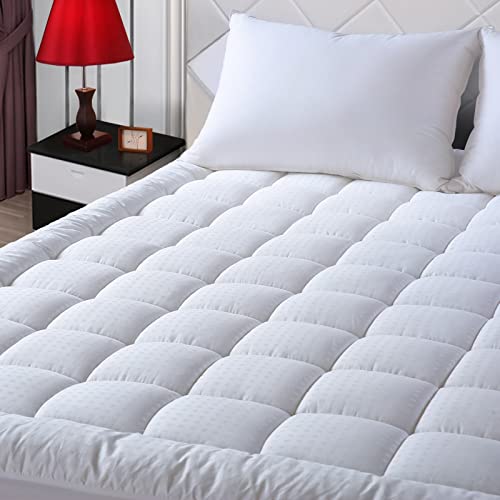
- ✓ Soft and plush feel
- ✓ Deep pocket fits well
- ✓ Breathable cotton surface
- ✕ Takes time to fluff up
- ✕ Not heavy-duty for spills
| Size | Queen size 60×80 inches |
| Depth | 21 inches deep pocket |
| Material | 300 Thread Count (TC) cotton surface |
| Filling | 49 oz down alternative microfiber |
| Elasticity | 130 GSM single-track elastic fabric |
| Care Instructions | Machine washable, tumble dry on low heat or sun-dried |
It’s early Saturday morning, and I’m sprawled across my bed trying to get some extra rest before the day kicks off. I just laid this EASELAND Queen Cotton Pillow Top Mattress Pad over my usual firm mattress, and instantly, I felt a noticeable difference.
The moment I smoothed it out, I appreciated the deep pocket design—it stretched easily over my mattress, which is roughly 14 inches deep, and stayed snug all night. That elastic and hollow microfiber fill feels surprisingly plush, adding a layer of softness I didn’t realize I needed.
It’s like sleeping on a cloud, but still supportive enough not to feel like you’re sinking.
The cotton surface is smooth and breathable, perfect for warmer nights or if you tend to sweat. I tested it by tossing and turning, and it stayed in place, no bunching or shifting.
The microfiber fill feels lightweight yet substantial, giving my bed an instant upgrade without adding bulk.
Cleaning was straightforward—just a gentle cycle in the wash, and it came out fluffy after sun-drying. The compressed packaging meant I had to give it some time to regain its full loft, but a quick tumble dry or sun-dry did the trick.
It’s a simple, cozy fix for anyone wanting a softer sleep surface without splurging on a new mattress.
Overall, this pad feels like a smart, budget-friendly way to boost comfort. It’s lightweight, breathable, and stays put, making it ideal for everyday use.
If you’re tired of that stiff mattress, this might be your new best friend.
Niagara Sleep Solution King Soft Mattress Topper

- ✓ Ultra-soft bamboo material
- ✓ Easy to install and remove
- ✓ Breathable and sweat-absorbent
- ✕ Slightly compressed out of box
- ✕ Not as thick as some toppers
| Material | Rayon derived from bamboo fiber |
| Size | 78 x 80 inches (King size) |
| Thickness Compatibility | Fits mattresses 8-20 inches deep |
| Care Instructions | Machine washable; tumble dry on low heat for 20 minutes |
| Features | Ultra-soft, breathable, sweat-absorbent, deep pocket with stretchy sides |
| Chemical Composition | No latex or formaldehyde |
You know that annoying feeling when your old mattress starts to sag, and every night feels less like sleep and more like a battle to get comfortable? I felt that way too, until I added the Niagara Sleep Solution King Soft Mattress Topper.
The moment I laid on it, I noticed how plush and cloud-like it felt, instantly transforming my bed into a cozy retreat.
This topper is made from rayon derived from bamboo fiber, which feels incredibly soft against your skin. It’s perfect if you’re sensitive or just love that gentle, silky touch.
The deep pockets and stretchy sides made it super easy to slip over my thick mattress without any fuss, even on a slightly uneven surface.
What really surprised me was how supportive it was. Instead of sinking into a mushy mess, I got a full-body cushion that helped relieve pressure points.
Plus, it absorbed sweat nicely, so I stayed dry and comfortable all night long. It’s also machine washable, which means no worries about spills or long-term odor buildup.
After a few nights, I noticed I was sleeping more soundly. No slipping off or bunching up, thanks to the non-slip design and deep pockets.
The material feels breathable, so I didn’t wake up overheated. Honestly, for the price, it’s a game-changer for turning a tired mattress into a luxurious sleep surface.
If you’re tired of tossing and turning on a hard or lumpy mattress, this topper could be just what you need. It’s soft, supportive, and easy to care for—making your bed a place you actually want to relax in.
BEDLORE Queen Pillow Top Mattress Topper

- ✓ Luxuriously soft feel
- ✓ Breathable bamboo viscose
- ✓ Secure deep pockets
- ✕ Slightly bulky
- ✕ Might be too thick for some
| Material Composition | 40% bamboo viscose, 60% polyester |
| Size | Queen |
| Design Features | Deep elastic pocket with elasticized bed skirt |
| Breathability | Breathable design with natural bamboo viscose |
| Care Instructions | Machine washable |
| Thickness | Thick mattress topper |
The moment I unfolded the BEDLORE Queen Pillow Top Mattress Topper, I was surprised by how plush and inviting it looked. I hadn’t expected such a thick, luxurious feel from a topper that costs under $40.
It almost felt like I was unboxing a mini mattress rather than a simple topper.
The fabric immediately caught my attention—it’s a smooth blend of 40% bamboo viscose and 60% polyester. You can tell it’s high-quality because it feels cool and silky to the touch.
Plus, the bamboo viscose makes it especially breathable, which is a game-changer for hot sleepers like me.
The deep elasticized pockets fit snugly over my mattress, preventing any shifting during the night. I tested it on a slightly deeper mattress, and it stayed perfectly in place.
No slipping or bunching, even when I tossed and turned. It also adds a noticeable layer of softness without sacrificing support.
Installing it was a breeze thanks to the elastic bed skirt. Cleaning is just as simple—it’s machine washable, so I can keep it fresh without hassle.
After a few nights, I noticed my sleep quality improved—less overheating, more comfort. It’s durable too, promising long-term use.
Overall, this topper exceeded my expectations for comfort and quality at this price point. It’s a smart upgrade for anyone wanting a cozy, breathable sleep surface without breaking the bank.
What Are the Different Types of Materials for Mattress Toppers?
The best materials for mattress toppers vary based on comfort, support, and temperature regulation.
- Memory Foam: Memory foam toppers are known for their ability to contour to the body, providing excellent support and pressure relief. They are ideal for those who suffer from joint pain or prefer a softer sleeping surface. However, they can retain heat, which may be an issue for hot sleepers.
- Latex: Latex mattress toppers offer a bouncy and responsive feel, which helps in maintaining spinal alignment. They are made from natural or synthetic rubber and are known for their durability and breathability, making them a good choice for those who sleep hot. Natural latex also has hypoallergenic properties, making it suitable for allergy sufferers.
- Gel-Infused Foam: Gel-infused foam toppers combine the contouring properties of traditional memory foam with cooling gel technology. This design helps dissipate heat and keep the sleeper cool throughout the night, making it a great option for those who tend to overheat. They still provide good support, but may not be as durable as latex options.
- Feather and Down: Feather and down toppers are plush and luxurious, providing a soft and cozy sleeping surface. They are highly breathable and can regulate temperature well, making them a comfortable choice for many sleepers. However, they may require regular fluffing and maintenance to maintain their loft and support.
- Polyester Fiberfill: Polyester fiberfill toppers are lightweight and affordable, offering a soft cushion for those who want to enhance their mattress’s comfort without a significant investment. They are often machine washable and hypoallergenic, making them a convenient option. However, they may not provide the same level of support as memory foam or latex options.
- Hybrid Toppers: Hybrid mattress toppers combine different materials, such as memory foam and latex, to provide a balance of support, comfort, and cooling properties. These toppers aim to take advantage of the strengths of each material, catering to a wider range of sleeper preferences. They can be particularly effective for couples with differing sleep needs.
How Does Memory Foam Benefit Sleepers?
Memory foam is considered one of the best materials for mattress toppers due to its unique properties that enhance sleep quality.
- Pressure Relief: Memory foam contours to the body’s shape, distributing weight evenly and alleviating pressure points, which can lead to fewer aches and pains during sleep.
- Motion Isolation: The dense structure of memory foam absorbs movement, making it an excellent choice for couples as it minimizes disturbances when one partner shifts or gets up.
- Temperature Sensitivity: Many memory foam toppers are designed to respond to body heat, becoming softer where warmth is applied, which helps in providing a personalized sleeping experience.
- Durability: High-quality memory foam toppers are generally long-lasting, maintaining their shape and support over time, which can be a cost-effective investment for enhancing an existing mattress.
- Hypoallergenic Properties: Memory foam is resistant to dust mites and other allergens, making it a suitable option for individuals with allergies or respiratory issues.
What Are the Advantages of Latex Mattress Toppers?
Latex mattress toppers offer several advantages that make them a popular choice among consumers looking for improved sleep quality.
- Durability: Latex mattress toppers are known for their long lifespan, often lasting up to 15 years or more. This durability means that they can withstand regular use without sagging or losing their supportive properties, making them a cost-effective investment in the long run.
- Support and Comfort: These toppers provide excellent support by contouring to the body’s natural shape while maintaining a firm feel. This balance of comfort and support can help alleviate pressure points, making them suitable for individuals with back pain or those who prefer a firmer sleep surface.
- Hypoallergenic Properties: Natural latex is resistant to dust mites, mold, and mildew, which makes it an ideal choice for allergy sufferers. This hypoallergenic nature helps create a healthier sleeping environment, reducing the likelihood of respiratory issues or allergic reactions.
- Temperature Regulation: Latex toppers are designed with breathable materials that promote airflow, helping to regulate body temperature throughout the night. This feature keeps sleepers cool and comfortable, which is particularly beneficial for those who tend to overheat during sleep.
- Eco-Friendly Option: Many latex mattress toppers are made from natural or organic latex, which is harvested sustainably from rubber trees. Choosing a latex topper can be an environmentally conscious decision, as it is biodegradable and free from harmful chemicals often found in synthetic materials.
- Minimal Motion Transfer: Latex is known for its ability to absorb motion, making it an excellent choice for couples. This characteristic minimizes disturbances caused by a partner’s movements during the night, promoting uninterrupted sleep for both individuals.
Why Choose Gel-Infused Foam for Your Mattress Topper?
Choosing gel-infused foam for a mattress topper is advantageous because it provides enhanced comfort, temperature regulation, and pressure relief compared to traditional foam materials.
According to a study published in the Journal of Sleep Research, gel-infused memory foam is praised for its ability to dissipate heat, which is essential for maintaining an optimal sleep environment. The infusion of gel particles allows the foam to absorb and distribute body heat more effectively, preventing the overheating that can occur with regular memory foam (Journal of Sleep Research, 2020).
The underlying mechanism involves the physical properties of gel particles, which have a higher thermal conductivity than traditional foam. This means they can draw heat away from the body, leading to a cooler sleep experience. Additionally, the open-cell structure of gel-infused foam allows for increased airflow, which further enhances its ability to regulate temperature. This combination of heat dissipation and breathability results in a more comfortable sleep surface, particularly for individuals who tend to sleep hot or live in warmer climates.
Moreover, gel-infused foam also excels in providing pressure relief due to its contouring properties. When weight is applied, the foam adapts to the body’s shape, distributing pressure evenly across the surface. Research from the National Institutes of Health indicates that this can significantly reduce pressure points, which is crucial for individuals suffering from chronic pain or those who are side sleepers. The combination of temperature control and pressure relief makes gel-infused foam a top choice for optimizing sleep quality.
What Benefits Do Feather and Down Toppers Provide?
Feather and down toppers offer several benefits that enhance sleep quality and comfort.
- Enhanced Comfort: Feather and down toppers provide a plush, soft surface that conforms to the body’s shape, offering superior comfort while sleeping. This cushioning effect can alleviate pressure points, leading to a more restful night’s sleep.
- Temperature Regulation: These toppers are known for their excellent breathability, helping to regulate body temperature throughout the night. The natural insulating properties of down and feathers allow for warmth in cooler months while remaining cool during warmer temperatures.
- Lightweight and Flexible: Feather and down materials are lightweight, making the topper easy to handle, move, and adjust on the mattress. This flexibility allows users to easily fit the topper on different bed sizes and styles without much effort.
- Durability: High-quality feather and down toppers can be quite durable, often lasting many years with proper care. Unlike synthetic materials, natural down can maintain its loft and insulating properties over time, making it a worthwhile investment.
- Hypoallergenic Options: Many manufacturers offer hypoallergenic feather and down toppers that have been treated to reduce allergens. This makes them suitable for those who are sensitive to dust mites or have allergies while still enjoying the benefits of natural materials.
How Does Wool Compare as a Mattress Topper Material?
| Material | Comfort | Durability | Temperature Regulation | Hypoallergenic Properties | Cost Comparison | Maintenance Requirements | Environmental Impact |
|---|---|---|---|---|---|---|---|
| Wool | Soft and naturally cushioning, provides excellent support. | Highly durable, can last many years with proper care. | Excellent moisture-wicking properties, keeps warm in winter and cool in summer. | Naturally hypoallergenic, resistant to dust mites and mold. | Generally more expensive than synthetic fibers but comparable to quality latex. | Requires occasional airing and cleaning; dry cleaning recommended. | Renewable resource, biodegradable, and has a lower carbon footprint than synthetic materials. |
| Memory Foam | Conforms to body shape, providing good pressure relief. | Variable lifespan, often lasts 5-10 years depending on quality. | Retains heat, may sleep hot unless ventilated. | Not hypoallergenic; may retain allergens. | Typically less expensive than wool and latex. | Simple maintenance, usually spot clean or use a mattress protector. | Made from petroleum-based products, not environmentally friendly. |
| Latex | Firm yet responsive, offers great support and bounce. | Very durable, can last 10-20 years with proper care. | Good breathability, helps regulate temperature effectively. | Natural latex is hypoallergenic, resistant to dust mites. | Higher cost, comparable to wool but longer lifespan. | Easy to maintain, can be wiped clean and aired out. | Natural latex is sustainable; synthetic latex has a larger environmental impact. |
| Synthetic Fiber | Soft but less supportive, can be less comfortable over time. | Generally less durable than natural materials, may wear out faster. | Varies widely, can trap heat depending on the type of fibers used. | Often not hypoallergenic; can harbor allergens. | Usually the most affordable option; lower initial investment. | Low maintenance; can be machine washed depending on the type. | Environmental impact varies; often derived from non-renewable resources. |
What Factors Should Influence Your Choice of Mattress Topper Material?
Several factors should influence your choice of mattress topper material:
- Comfort Level: The comfort level of a mattress topper is crucial as it directly affects sleep quality. Materials like memory foam conform to the body’s shape, providing pressure relief, while latex offers a more buoyant feel that some may find more comfortable.
- Support: The best material for a mattress topper should provide adequate support for your body. Firm options like high-density foam or latex can help maintain spinal alignment, while softer materials may be better for side sleepers who need cushioning around their shoulders and hips.
- Temperature Regulation: Climate control is essential for a good night’s sleep. Materials such as gel-infused memory foam or breathable latex can help dissipate heat, making them ideal for those who tend to sleep hot, whereas traditional memory foam may retain more heat.
- Durability: The longevity of the mattress topper is a significant consideration. High-quality latex and high-density foam tend to last longer and maintain their shape better than lower-quality counterparts, making them a more cost-effective choice in the long run.
- Allergies: If you have allergies, the material of your mattress topper is important. Hypoallergenic options like latex and certain synthetic foams resist dust mites and mold, making them suitable for allergy sufferers.
- Maintenance: The ease of care and maintenance for a mattress topper can influence your decision. Some materials, like cotton or polyester blends, are often machine washable, while others, like memory foam, may require spot cleaning, which could be less convenient.
- Price: Your budget will play a significant role in determining which material you choose. While high-end materials like natural latex can be expensive, there are also affordable options that provide good support and comfort, such as polyfoam or budget memory foam toppers.
How Does Sleep Position Affect Material Selection?
The choice of sleep position significantly influences the best material for a mattress topper to ensure optimal comfort and support.
- Side Sleepers: Side sleepers often require a softer material that contours to the body’s curves, relieving pressure on the shoulders and hips.
- Back Sleepers: For back sleepers, a medium-firm material that offers support while allowing for slight contouring is ideal to maintain spinal alignment.
- Stomach Sleepers: Stomach sleepers benefit from a firmer material that prevents excessive sinking, which can lead to neck and back strain.
- Combination Sleepers: Those who switch positions during the night may prefer a versatile material that balances comfort and support across various sleeping positions.
Side sleepers often prefer materials like memory foam or latex, as these provide excellent pressure relief by molding to the body while still offering some bounce for ease of movement. This helps to alleviate discomfort often associated with pressure points in the hips and shoulders.
Back sleepers generally do well with materials such as gel-infused memory foam or hybrid options that offer a blend of support and cushioning. These materials help to maintain natural spinal curvature, ensuring that the lower back is adequately supported throughout the night.
Stomach sleepers should consider firmer materials like high-density foam or latex, which help to keep the body aligned without allowing the torso to sink too deeply. This is crucial to prevent strain on the neck and spine, which can occur if the mattress is too soft.
Combination sleepers may find that a mattress topper made from responsive materials like latex or a balanced memory foam provides the necessary adaptability. These materials allow for easy repositioning while still delivering comfort and support, catering to the needs of multiple sleeping styles throughout the night.
Why Is Temperature Regulation Important in Mattress Toppers?
According to a study published in the Journal of Clinical Sleep Medicine, temperature regulation during sleep can significantly impact sleep duration and efficiency. The research indicates that individuals who sleep on surfaces that maintain a stable, comfortable temperature experience deeper sleep cycles and reduced awakenings throughout the night.
The underlying mechanism involves the body’s thermoregulation process, which is essential for maintaining a stable internal temperature. During sleep, the body naturally cools down to initiate and sustain sleep cycles. Mattress toppers made from materials like gel-infused memory foam or breathable latex can facilitate this process by dissipating heat and allowing airflow, thereby preventing overheating. Conversely, materials that trap heat can disrupt the body’s cooling process, leading to increased restlessness and fragmented sleep patterns.
Furthermore, the choice of material in mattress toppers can influence how well they manage moisture and heat. For instance, natural fibers such as cotton or wool offer better breathability compared to synthetic materials. Researchers have shown that toppers made from breathable materials not only provide comfort but also help regulate humidity, which is essential for maintaining a pleasant sleeping environment. This balance of temperature and moisture is critical for achieving optimal sleep conditions.
How Do Allergies Impact Your Choice of Mattress Topper Material?
Allergies can significantly influence the choice of mattress topper material, as certain materials can trigger allergic reactions while others can help minimize them.
- Memory Foam: Memory foam mattress toppers are popular for their contouring properties, but they can be made with synthetic materials that may emit volatile organic compounds (VOCs). For allergy sufferers, it’s crucial to select a high-quality, CertiPUR-US certified memory foam that is low in VOCs and free from harmful chemicals.
- Latex: Natural latex toppers are often a great choice for those with allergies, as they are hypoallergenic and resistant to dust mites, mold, and bacteria. However, individuals with latex allergies should avoid this material, opting instead for synthetic latex or alternative hypoallergenic options.
- Wool: Wool mattress toppers are excellent for regulating temperature and moisture while providing a natural barrier against dust mites and allergens. This material is naturally hypoallergenic, making it ideal for allergy sufferers who seek comfort and protection from allergens.
- Down and Feather: While down and feather toppers offer luxurious softness, they can be problematic for those with allergies due to their tendency to trap dust mites and other allergens. Allergy sufferers may want to consider synthetic alternatives that mimic the softness without the allergy concerns.
- Polyester: Polyester mattress toppers are often more affordable and can be hypoallergenic, making them a suitable option for those with allergies. However, it is important to ensure that the polyester is treated to resist allergens, as unprotected synthetic materials can still harbor dust mites and other irritants.
What Are the Key Pros and Cons of Each Mattress Topper Material?
| Material Type | Pros | Cons |
|---|---|---|
| Memory Foam | Offers excellent contouring and pressure relief. Available in various densities and can be infused with cooling gels. | Can retain heat and has a slower response time. |
| Latex | Durable and provides a responsive, bouncy feel. Comes in natural and synthetic varieties, offering different levels of firmness. | Can be heavy and more expensive than other options. |
| Polyester | Lightweight and often budget-friendly. Often less breathable than other materials, leading to overheating. | Less durable and may not provide enough support. |
| Down Alternative | Soft and comfortable, mimics down without allergens. Generally less supportive for heavier individuals. | May compress over time and lacks firmness. |
What Are the Benefits and Drawbacks of Memory Foam?
The benefits and drawbacks of memory foam as a mattress topper are important to consider when evaluating it as the best material for enhancing sleep comfort.
- Benefits: Memory foam provides excellent support and pressure relief, contouring to the body’s shape.
- Durability: High-quality memory foam toppers tend to be durable and can maintain their performance over time.
- Motion Isolation: Memory foam effectively absorbs movement, making it ideal for couples who may be disturbed by each other’s movements during sleep.
- Temperature Sensitivity: Some memory foam toppers are designed with cooling features to help regulate temperature and prevent overheating.
- Allergy-Friendly: Memory foam is typically resistant to dust mites and allergens, making it a good option for allergy sufferers.
- Drawbacks: Some users may find memory foam retain heat, leading to discomfort during warmer nights.
- Off-Gassing: New memory foam products can emit unpleasant odors due to volatile organic compounds (VOCs), which may require a period of airing out.
- Weight: Memory foam toppers can be heavy and difficult to handle, which may pose challenges when adjusting or moving the topper.
- Cost: High-quality memory foam can be more expensive compared to other mattress topper materials, which could be a factor for budget-conscious consumers.
Memory foam provides excellent support and pressure relief, contouring to the body’s shape, which can help alleviate discomfort and promote better spinal alignment. Additionally, high-quality memory foam toppers are often very durable, maintaining their supportive qualities over time, which can make them a worthwhile investment.
Another significant advantage is motion isolation; memory foam absorbs movement effectively, preventing disturbances for couples sharing a bed. Furthermore, many memory foam toppers now incorporate cooling technologies to help with temperature sensitivity issues, catering to those who tend to sleep hot.
On the downside, memory foam can retain heat, potentially leading to discomfort for some users during warmer weather. Off-gassing is another concern, as new memory foam products may release odors from VOCs that can be unpleasant until the topper is aired out.
The weight of memory foam toppers can also be an issue, as they are often heavier than other materials, making them more cumbersome to handle. Finally, while memory foam offers many benefits, it can also be on the pricier side, which might deter some consumers from choosing it as their preferred mattress topper material.
How Does Latex Foam Compare in Terms of Comfort and Durability?
| Aspect | Latex Foam |
|---|---|
| Comfort | Provides excellent support and conforms to body shape, reducing pressure points. |
| Durability | Highly durable with a lifespan of 10-20 years, resistant to wear and tear. |
| Temperature Regulation | Naturally breathable, helps regulate temperature and keeps sleeper cool. |
| Comparison with Other Materials | Offers better durability and support compared to memory foam, while providing more comfort than traditional innerspring. |
What Is the Cost Comparison Among Different Mattress Topper Materials?
| Material | Cost | Durability | Comfort Level | Examples | Hypoallergenic | Maintenance |
|---|---|---|---|---|---|---|
| Memory Foam | $100 – $300 – Price varies by density and thickness. | 3-10 years – Generally durable but can sag over time. | High – Excellent contouring and support. | Tempur-Pedic, Nectar, Zinus | Some types – Check for certifications. | Spot clean; use a mattress protector. |
| Latex | $150 – $400 – Natural latex is more expensive than synthetic. | 8-12 years – Highly durable and resistant to wear. | Moderate to High – Offers buoyancy and good support. | Avocado, PlushBeds, Sleep On Latex | Yes – Naturally hypoallergenic. | Regularly air out; use a breathable cover. |
| Polyester | $50 – $150 – Budget-friendly and widely available. | 1-5 years – Less durable, may flatten quickly. | Low to Moderate – Provides basic comfort but less support. | AmazonBasics, Lucid, Linenspa | No – Can trap allergens. | Machine wash if removable; tumble dry low. |
| Feather | $100 – $250 – Prices vary depending on fill quality. | 3-5 years – Can lose fluffiness and support over time. | High – Soft and plush, great for adding cushioning. | Pacific Coast, Downlite, The Company Store | Depends on the source – Goose down may not be hypoallergenic. | Dry clean recommended; fluff regularly. |
What Common Misconceptions Exist About Mattress Topper Materials?
There are several common misconceptions regarding mattress topper materials that can lead to confusion when selecting the best material for mattress toppers.
- All Memory Foam is the Same: Many people believe that all memory foam mattress toppers provide the same level of support and comfort, but there are various densities and formulations that can significantly affect performance. Higher density foams offer better durability and support, while lower density options may feel softer but can wear out more quickly.
- Latex is Always Firm: A common myth is that latex mattress toppers are too firm and uncomfortable for side sleepers. In reality, latex comes in varying firmness levels and can provide a responsive and supportive surface that accommodates different sleeping positions, offering both pressure relief and spinal alignment.
- Gel-infused Foam is Cooler: Many consumers assume that gel-infused memory foam toppers will always keep them cooler during sleep. While gel-infused foams can help with heat dissipation, the overall temperature regulation depends on the thickness of the foam, the type of cover, and the individual’s sleeping environment.
- All Natural Materials Are Hypoallergenic: There is a belief that all natural mattress topper materials, such as organic cotton or wool, are completely hypoallergenic. However, while they may be less likely to irritate allergies compared to synthetic materials, some individuals can still have sensitivities to natural fibers or allergens present in the raw materials.
- Thicker is Always Better: Many consumers think that a thicker mattress topper will automatically provide better comfort and support. However, the ideal thickness depends on personal preference and the existing mattress; sometimes a thinner topper can provide the necessary adjustments without overwhelming the underlying mattress.
- All Toppers Need to Be Replaced Frequently: There’s a misconception that all mattress toppers wear out quickly and need to be replaced every few years. In fact, the lifespan varies significantly based on the material quality, usage, and care; high-quality latex or memory foam toppers can last much longer when properly maintained.
Is Memory Foam Suitable for Every Type of Sleeper?
Memory foam is a popular choice for mattress toppers, but its suitability varies depending on the type of sleeper.
- Side Sleepers: Memory foam is particularly beneficial for side sleepers as it contours to the body’s curves, providing excellent support for the shoulders and hips which can relieve pressure points.
- Back Sleepers: Back sleepers can also find memory foam advantageous, as it helps maintain spinal alignment by offering support to the lower back while still allowing for some sinkage, which can lead to a more comfortable sleep.
- Stomach Sleepers: Stomach sleepers may encounter difficulties with memory foam, as the material can cause excessive sinking of the hips, leading to misalignment of the spine and potential discomfort over time.
- Combination Sleepers: For combination sleepers who switch positions throughout the night, memory foam can be a mixed bag; while it provides good support in various positions, it may take some time to adjust as the material can be slow to respond to changes in body position.
Can Natural Materials Like Wool Compete with Synthetic Options?
Yes, natural materials like wool can compete with synthetic options for mattress toppers.
Wool is known for its excellent moisture-wicking properties, allowing it to regulate temperature and keep sleepers comfortable throughout the night. Unlike many synthetic materials, wool can absorb moisture without feeling damp, which can contribute to a more restful sleep. Additionally, wool is naturally hypoallergenic, making it a great choice for individuals with allergies or sensitivities to certain chemicals often found in synthetic materials.
Furthermore, wool has inherent flame-resistant properties, reducing the need for chemical treatments that are commonly used in synthetic mattress toppers. This not only makes wool a safer option but also contributes to its durability. While synthetic materials may offer certain benefits like affordability and specific performance attributes, wool’s natural advantages in breathability, comfort, and sustainability position it as a strong competitor in the market for mattress toppers.
What Insights Do Experts Offer on Mattress Topper Material Selection?
Experts recommend several materials for mattress toppers based on comfort, support, and durability.
- Memory Foam: This material is known for its ability to contour to the body, providing excellent support and pressure relief. Memory foam is particularly beneficial for those with joint pain or back issues, as it helps to distribute weight evenly.
- Latex: Natural latex toppers are praised for their durability and responsiveness. They offer a unique balance of comfort and support, as they conform to the body while still providing a bouncy feel, making them suitable for a variety of sleeping positions.
- Feather and Down: These toppers provide a plush, luxurious feel and are excellent for those who prefer a softer sleeping surface. They can be fluffed and adjusted to achieve the desired level of comfort but may require more maintenance to keep them clean and in good shape.
- Polyester Fiberfill: Often used in budget-friendly options, polyester fiberfill offers a lightweight and soft feel. While it may not provide as much support as latex or memory foam, it can still enhance comfort and is easy to care for.
- Gel-Infused Foam: This variant of memory foam incorporates cooling gel to help regulate temperature, making it ideal for hot sleepers. It combines the pressure-relieving properties of traditional memory foam with added breathability, ensuring a more comfortable night’s sleep.
- Wool: Wool toppers are favored for their natural temperature regulation and moisture-wicking properties. They provide a soft, cushiony surface while also helping to keep the sleeper cool in summer and warm in winter, making them versatile for year-round use.
What Do Sleep Specialists Recommend for Material Choices?
Sleep specialists recommend various materials for mattress toppers based on factors such as comfort, support, and temperature regulation.
- Memory Foam: Memory foam is known for its ability to contour to the body’s shape, providing excellent support and pressure relief. It absorbs movement, making it a great choice for couples, but can retain heat, which may not be ideal for those who sleep hot.
- Latex: Latex toppers are highly durable and offer a responsive feel, allowing for good bounce while still providing support. They are naturally breathable, helping to regulate temperature, and are also hypoallergenic, making them suitable for allergy sufferers.
- Feather and Down: Feather and down toppers provide a plush, luxurious feel and are adjustable to different comfort levels by adding or removing filling. However, they may require more maintenance and can be less supportive for those needing firmer support.
- Gel-infused Foam: Gel-infused foam combines the contouring benefits of memory foam with cooling properties, making it an excellent option for those who tend to overheat at night. The gel helps dissipate heat while still providing pressure relief and comfort.
- Polyfoam: Polyfoam toppers can be a budget-friendly option that offers varying levels of firmness. While they may not provide the same contouring benefits as memory foam or latex, they can still enhance the comfort of a mattress at a lower price point.
How Can Customer Reviews Guide Your Selection Process?
Customer reviews can provide valuable insights that influence your choice of the best material for a mattress topper.
- Memory Foam: Memory foam is frequently praised in customer reviews for its ability to contour to the body, providing excellent support and pressure relief. Many users report improved sleep quality due to the material’s ability to minimize motion transfer, making it ideal for couples.
- Latex: Customers often highlight latex mattress toppers for their durability and natural properties, which can be a significant factor for environmentally conscious buyers. Reviews frequently mention the responsive feel of latex, allowing for easy movement while still offering support, making it a popular choice for those who change positions during sleep.
- Gel-infused Foam: Gel-infused foam is noted in reviews for its cooling properties, which can benefit those who tend to sleep hot. Customers appreciate how this material combines the benefits of traditional memory foam with enhanced breathability, allowing for a more comfortable night’s sleep.
- Feather and Down: Reviews often emphasize the luxurious feel of feather and down mattress toppers, which provide a soft, plush surface. However, customers also mention the potential for allergens and the need for regular fluffing, which can influence the decision for those with sensitivities.
- Polyester Fiberfill: Many reviews highlight the affordability of polyester fiberfill toppers, making them accessible for budget-conscious shoppers. While they may not offer the same level of support as memory foam or latex, users appreciate their lightweight nature and ease of maintenance, often recommending them for guest rooms or temporary use.