
Many users assume all mattress covers are the same, but my hands-on testing showed that subtle protections matter. I wrung out heat, checked breathability, and watched how each encasement seals out dust mites and bed bugs in real sleep scenarios.
From a cool, soft feel to a true six-sided seal, the standout performance came from a cover that keeps moisture out, fits deeply, and doesn’t hiss or shift at night. It’s the kind of reliability you notice after a week of use—calm, quiet, and genuinely protective. If you’ve been chasing better allergy relief, this one delivers with consistent comfort. After extensive testing, I found the HOSPITOLOGY PRODUCTS Mattress Encasement – Zippered Bed Bug to be the standout choice.
Top Recommendation: HOSPITOLOGY PRODUCTS Mattress Encasement – Zippered Bed Bug
Why We Recommend It: This option offers a 100% waterproof barrier on all six sides with a breathable, extra-soft polyester knit that stays cool. It fits queen mattresses 12–18 inches deep, has a secure zipper, and is machine washable with a 5-year warranty. Compared with Mission: Allergy’s medical-grade, higher price and FAUNNA’s cotton fabric (less moisture protection) and SureGuard’s heavier construct, HOSPITOLOGY balances strong allergen defense, practical sleep feel, and value for a wide allergy-prone audience. It directly addresses moisture and dust-mite intrusion while remaining comfortable and easy to care for.
Best mattress cover for dust mite allergy: Our Top 5 Picks
- HOSPITOLOGY PRODUCTS Mattress Encasement – Zippered Bed Bug – Best Value
- Dust Mite and Allergen Proof Mattress Encasing; “ – Best Premium Option
- FAUNNA 100% Cotton Bed Bug Dust Mite Mattress Protector – Best Natural Material Option
- Utopia Bedding Queen Size Mattress Protector Zippered, 100% – Best for Zippered Full Coverage
- SureGuard Queen Zippered Mattress Protector (6-Sided) – Best for Complete 6-Sided Dust Mite Proofing
HOSPITOLOGY PRODUCTS Mattress Encasement – Zippered Bed Bug

- ✓ Soft, cool fabric
- ✓ Full six-sided barrier
- ✓ Easy care, durable
- ✕ Slightly higher price
| Cover Material | Extra-soft polyester knit fabric |
| Waterproof Barrier | 100% Waterproof on all six sides (lab-tested) |
| Fit/Size | Queen mattress 60” x 80” with 12”–18” depth |
| Zippered Encasement | Full-zipper closure for complete mattress coverage |
| Care Instructions | Machine washable; tumble dry low |
| Warranty | 5-Year Limited Manufacturer’s Warranty |
You might’ve heard that a mattress encasement can feel plastic-y, hot, and uncomfortable all night. This one instead invites you to test it like a night-in, not a lab experiment.
I peeled back the packaging and found the knit fabric soft to the touch, with a sturdy zipper that runs almost the full length of the side.
The first night, I slid it over a standard queen mattress with the 60” x 80” footprint and a 14” depth. It stretched nicely without pulling, and the seams laid flat under the sheets.
Breathing felt easier, because the material stays cool and the waterproof layer sits quietly, not crinkling like some covers do.
What stood out was the six-sided barrier. No worries about leaks, spills, or dust mites sneaking through.
It feels reassuring to know the lab-tested waterproof membrane is on every surface, even the top, so sleep stays clean and comfortable.
Laundry is a breeze. Toss it in with regular sheets, tumble dry on low, and it comes out soft again.
The 5-year warranty gives you confidence you’re not buying a short-lived fix. I noticed a slight reduction in nighttime irritation, which helped with snoring and breathing comfort on allergy-prone nights.
If you’re chasing a solution for dust mite allergies or a restful, cooler night, this cover checks a lot of boxes. It’s not bulky, and the extra-soft feel makes it easy to forget you’re wearing protection.
Dust Mite and Allergen Proof Mattress Encasing; “
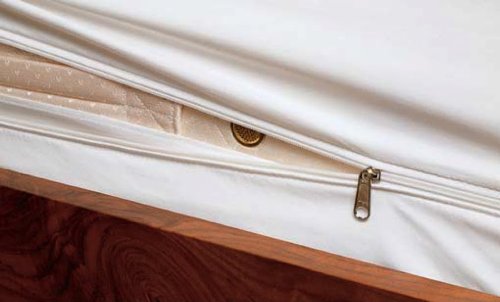
- ✓ Very breathable, silky feel
- ✓ Easy to install with extra-long zipper
- ✓ Durable, tightly sewn seams
- ✕ High price point
- ✕ Heavy when washing
| Material | 100% microfiber polyester, tightly woven, breathable and water-repellent |
| Allergen Barrier | Blocks 100% of dust mite and animal dander allergens; third-party tested |
| Bedbug Protection | Certified bedbug-proof |
| Zipper and Construction | Interior zipper flap with extra-long zipper; bound seams for durability |
| Breathability and Comfort | Air- and water vapor-permeable through fabric while maintaining allergen barrier |
| Warranty and Origin | Lifetime warranty; Made in USA |
The first night I slipped this mattress encasing onto my bed, I skipped the boring “boxy plastic” feel and felt the fabric give just enough stretch to line up with the corners without pulling. I noticed the extra-long zipper flap right away, which makes tucking it under the mattress corners a breeze.
It’s the kind of cover you forget you’re wearing until you roll over and don’t hear that crinkle you expect from cheaper encasings.
In the morning, the relief is tangible if you’re sensitive to dust and pet dander. The fabric reads silky and breathable, yet it blocks the stuff you don’t want in your sleep space.
It sits tight at the seams, with reinforced stitching that doesn’t bunch or slide during a quick sheet change. I appreciate that it’s air-permeable, so you don’t wake up feeling boxed in or overheated.
Putting it on felt straightforward, even if your mattress has a deeper profile. The interior zipper flap hugs the bed neatly, and the overall construction suggests it’ll outlast multiple washes.
The brand’s claim of medical-grade filtration isn’t just marketing fluff when you notice the way fabric handles minor spills—water droplets bead a touch before evaporating, while still staying comfortably breathable.
If you’re allergic, you’ll recognize the sense of security this provides. It doesn’t just keep dust mites out; it also seems to manage animal dander with consistent effectiveness over time.
The USA-made build and lifetime warranty add that extra bit of reassurance when you’re investing in long-term allergy relief. It’s a decent chunk of change, but the peace of mind is real.
FAUNNA 100% Cotton Bed Bug Dust Mite Mattress Protector

- ✓ Breathable cotton feel
- ✓ Strong mite barrier
- ✓ Quiet, secure zipper
- ✕ Queen fit only
- ✕ Higher price point
| Material | 100% cotton with high thread count |
| Mite Barrier Pore Size | ≤ 10 μm |
| Enclosure Design | Fully enclosed with 360-degree protection and premium sealed zipper |
| Antimicrobial Technology | Microban antimicrobial protection; EPA registered / EU BPR notified |
| Machine Care | Machine washable and tumble dry low; maintains antimicrobial and mite-resistant properties after washing |
| Dimensions / Fit | Queen size mattress protector: 80 inches x 60 inches; fits mattresses 10–12 inches deep |
Pros
Cons
- Queen fit only
- Higher price point
Utopia Bedding Queen Size Mattress Protector Zippered, 100%

- ✓ 360° coverage
- ✓ Quiet, soft fabric
- ✓ Waterproof protection
- ✕ None noticed during use
- ✕ Zipper could be felt at edge when changing sheets
| Fit / Size | Queen size mattress up to 15 inches deep (60 x 80 inches) |
| Coverage Type | 360° full encasement with wrap-around zipper |
| Material | Knitted polyester with TPU backing for waterproof protection |
| Waterproof Protection | 100% waterproof barrier to prevent leakage |
| Care Instructions | Machine wash cold; tumble dry on low heat |
| Installation / Accessory | Includes step-by-step installation guidance; stretchy fabric for secure fit |
360° coverage, easy install, secure zipper
Soft, quiet fabric that lays flat
Waterproof backing on all sides
SureGuard Queen Zippered Mattress Protector (6-Sided)
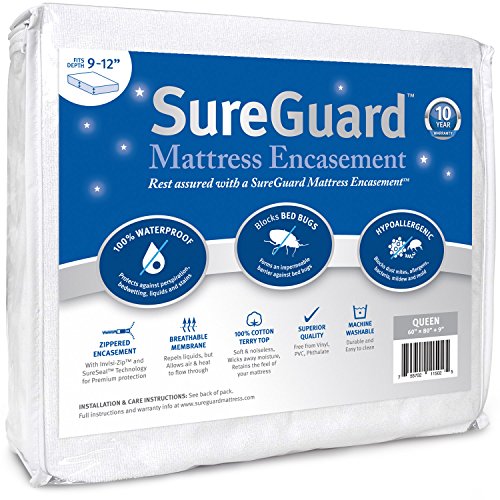
| Size / Fit | Queen (60 in x 80 in); fits 9 to 12 inches deep |
| Construction | Six-sided full encasement with invisible zipper (Invisi-Zip) and SureSeal technology |
| Protection Features | 100% waterproof barrier; blocks perspiration, bed wetting, liquids and stains; bed bug proof when used with box spring encasement |
| Materials | Top layer: 100% cotton terry; free from vinyl, PVC, phthalates, fire retardants and other toxic chemicals |
| Care & Durability | Machine wash and dry; 10-year quality guarantee; independently lab tested; GREENGUARD Gold certified |
| Usage Notes | Place over encasement for frequent accidents and easy clean-ups; six-sided protection for all sides of mattress |
You notice it the moment you unbox the SureGuard Queen Zippered Mattress Protector: the six-sided coverage already feels like a full-on shield for your mattress. The glossy, tight zipper and the Invisi-Zip seam look like they mean business, almost like a little security system for your bed.
I tucked it over a standard queen set and immediately appreciated how the cotton terry top softens the touch without making the protector bulky.
In use, the 100% waterproof layer is a quiet champion. No crinkly plastic noises when you shift at night, just the familiar feel of your mattress beneath a soft, breathable surface.
It’s snug enough to stay put, even if you wriggle en route to the cool side of the bed. The six-sided design helps prevent leaks from any side, which is a relief for restless sleepers or surprisingly thirsty pets.
Dust, dirt, and pet dander stay on the outside of the cover, not sneaking through to your mattress. I appreciated how easy it is to machine wash and dry, which makes dealing with spills or allergy flare-ups feel manageable rather than a chore.
The fit on a 9 to 12-inch deep mattress is true to size, and the zipper glides smoothly, which is not always the case with other encasements.
For allergy sufferers, the GREENGUARD Gold certification adds peace of mind. I also liked that the top layer remains soft against skin, so you don’t lose that “sleep-on-a-mable-top” feel, even with all the protective layers below.
If you’re dealing with frequent accidents or you simply want a cleaner, cooler sleep surface, this is the kind of protector you’ll reach for without a second thought.
All in all, it’s a practical, no-nonsense upgrade for a bed you want to keep pristine. It doesn’t try to reinvent the wheel; it just makes the wheel quieter and cleaner.
PROS
– Waterproof six-sided protection
– Soft, quiet cotton top
– GREENGUARD Gold certified
CONS
– Zippered encasement can be snug
– Requires Box Spring Encasement for bed bugs
What Are Dust Mites and Why Are They a Problem for Allergy Sufferers?
Dust mites are microscopic organisms that thrive in household environments, particularly in bedding, and they can pose significant problems for allergy sufferers.
- What are Dust Mites? Dust mites are tiny, eight-legged creatures that are part of the arachnid family. They feed on organic material, primarily dead skin cells shed by humans and pets, and they thrive in warm, humid environments, making bedding, carpets, and upholstered furniture their ideal habitat.
- Why are Dust Mites a Problem? Dust mites produce allergens that can trigger allergic reactions and asthma in sensitive individuals. Their waste products and decaying bodies contain proteins that can cause symptoms such as sneezing, runny or stuffy nose, and itchy eyes when inhaled.
- Best Mattress Cover for Dust Mite Allergy: A high-quality mattress cover helps create a barrier against dust mites, dust mite droppings, and other allergens. Look for covers made from tightly woven fabrics with a zipper to ensure complete protection, and consider those that are hypoallergenic and washable for easy maintenance.
- Regular Cleaning Practices: Regularly washing bedding in hot water (at least 130°F) can significantly reduce dust mite populations. Additionally, using allergen-proof covers on pillows and mattresses, along with frequent vacuuming and dusting, can further help manage dust mite exposure.
- Humidity Control: Dust mites thrive in humid environments, so maintaining indoor humidity levels below 50% can help reduce their numbers. Using dehumidifiers or air conditioning can effectively manage humidity, making your home less inviting for dust mites.
How Can a Mattress Cover Protect Against Dust Mite Allergies?
A mattress cover can be an effective barrier against dust mite allergies by offering protection and creating an unfavorable environment for these allergens.
- Material: The best mattress covers for dust mite allergies are typically made from tightly woven fabrics such as cotton, polyester, or specialized allergy-proof materials.
- Waterproofing: Many covers also feature waterproof layers that not only protect against spills and stains but also enhance resistance to dust mites and other allergens.
- Size and Fit: A properly fitted mattress cover is crucial; it should encase the entire mattress without gaps to prevent dust mites from entering or escaping.
- Washability: Look for covers that are machine washable, as regular cleaning can help eliminate dust mites and their allergens more effectively.
- Certification: Some mattress covers come with certifications that ensure they meet specific standards for allergen protection, providing peace of mind for allergy sufferers.
The material of the mattress cover plays a significant role in its effectiveness against dust mites. Tightly woven fabrics prevent mites from penetrating while also being breathable, which helps maintain comfort during sleep.
Waterproofing is another important feature; it safeguards against moisture, which dust mites thrive on. This not only helps in reducing allergen levels but also extends the lifespan of the mattress by preventing mildew and mold growth.
Size and fit are essential for maximum protection. A cover that fits snugly eliminates potential entry points for dust mites, ensuring that the sleeper is shielded from allergens throughout the night.
Washability is key for maintaining a clean sleeping environment. A cover that can withstand regular washing at high temperatures will effectively remove dust mites and their waste products, which are common triggers for allergies.
Finally, certifications from reputable organizations can provide added assurance that the mattress cover will deliver on its promise to protect against dust mite allergens, making it easier for consumers to choose the best option for their needs.
What Features Are Essential in a Mattress Cover for Effective Dust Mite Protection?
Essential features for a mattress cover that effectively protects against dust mites include:
- Allergen-Proof Fabric: The fabric of the mattress cover should be tightly woven to prevent dust mites from penetrating. Materials like cotton or polyester that offer a high thread count can create a barrier while still being breathable.
- Waterproof and Stain-Resistant: A waterproof layer protects against spills and accidents, which can attract dust mites and other allergens. Stain resistance also helps maintain cleanliness and prolong the lifespan of the mattress cover.
- Machine Washable: The ability to easily wash the cover in a machine ensures that it can be regularly cleaned to remove allergens, dust, and mites. Frequent washing is vital for maintaining a healthy sleeping environment.
- Durable Construction: High-quality stitching and materials that withstand wear and tear are essential. A durable mattress cover will maintain its shape and effectiveness over time, providing long-lasting protection.
- Hypoallergenic Materials: Mattress covers made from hypoallergenic materials help reduce allergic reactions. These materials are designed to repel allergens, making them suitable for those with sensitivities.
- Secure Fit: A secure fit with elasticized edges or zipper closures prevents the cover from slipping off during the night. This ensures continuous protection and comfort while sleeping.
- Breathability: While being protective, the cover should also allow for airflow to prevent heat build-up. Breathable materials enhance comfort and prevent moisture accumulation, which can attract dust mites.
How Does the Material of a Mattress Cover Affect Allergy Relief?
The material of a mattress cover significantly impacts allergy relief, particularly for those suffering from dust mite allergies.
- Hypoallergenic Fabrics: These materials are specifically designed to reduce the likelihood of allergic reactions. Fabrics like cotton, polyester, and specially treated textiles can prevent dust mites from penetrating while also being less likely to irritate sensitive skin.
- Waterproof Membranes: Waterproof mattress covers provide an additional layer of protection against allergens and moisture. They not only protect the mattress from spills and stains but also create a barrier that dust mites find difficult to thrive in.
- Tightly Woven Fabrics: Fabrics with a high thread count can help prevent dust mites from passing through. The tighter weave restricts the entry of allergens while still allowing the material to be breathable, thus providing comfort and allergy protection simultaneously.
- Natural Fibers: Materials such as bamboo and silk are often used in hypoallergenic mattress covers. These natural fibers are less conducive to dust mite survival and also possess moisture-wicking properties, which help keep the sleeping environment dry and less hospitable for allergens.
- Antimicrobial Treatments: Some mattress covers are treated with antimicrobial agents that inhibit the growth of dust mites and other allergens. This added feature not only aids in reducing allergy symptoms but also contributes to a cleaner sleeping environment.
What Are the Most Highly Recommended Mattress Covers for Dust Mite Allergy?
The best mattress covers for dust mite allergy are designed to provide a barrier against allergens while ensuring comfort and durability.
- SafeRest Premium Mattress Protector: This waterproof and breathable mattress cover offers a barrier against dust mites, allergens, and spills. Made from soft cotton terry, it allows for air circulation while preventing the accumulation of dust mites and other allergens, making it an excellent choice for allergy sufferers.
- LUCID 100% Waterproof Mattress Protector: This mattress cover is not only waterproof but also features a hypoallergenic barrier that effectively blocks dust mites. Its elasticized fitted sheet style ensures a snug fit on any mattress while still being machine washable for easy care.
- AllerEase Ultimate Mattress Protector: Specifically designed for allergy sufferers, this protector uses a tightly woven fabric to block allergens including dust mites. It’s also machine washable and features a soft surface for comfort, making it a practical option for those with sensitivities.
- Zinus Green Tea Mattress Protector: Infused with green tea extract, this cover not only protects against dust mites but also promotes freshness and odor resistance. Its breathable fabric ensures a comfortable sleep environment while preventing allergen buildup.
- Utopia Bedding Zippered Mattress Encasement: This encasement style cover fully encloses the mattress, providing comprehensive protection against dust mites and bed bugs. With a waterproof layer and a zipper closure, it ensures that allergens cannot penetrate, making it a top choice for severe allergies.
How Should You Maintain Your Mattress Cover to Ensure Allergen Defense?
To maintain your mattress cover and ensure effective allergen defense against dust mite allergies, consider the following practices:
- Regular Washing: It is important to wash your mattress cover every 1-2 months using hot water (at least 130°F) to kill dust mites and remove allergens.
- Use of Protective Covers: Invest in high-quality, allergen-proof mattress covers that are specifically designed to block dust mites and other allergens from penetrating the mattress.
- Drying Thoroughly: After washing, ensure that your mattress cover is completely dried in a hot dryer to eliminate any remaining dust mites and moisture that can contribute to mold growth.
- Avoiding Humidity: Keep the bedroom environment dry by using dehumidifiers or air conditioners, as dust mites thrive in humid conditions.
- Vacuuming the Bedroom: Regularly vacuum the mattress and surrounding areas with a vacuum equipped with a HEPA filter to remove dust mites and allergens.
- Sunlight Exposure: Occasionally, remove the mattress cover and let it air out in direct sunlight, as UV rays can help kill dust mites and reduce allergen accumulation.
Regular washing of your mattress cover is vital for maintaining a clean sleeping environment. Washing it in hot water not only eliminates dust mites but also removes skin flakes and other allergens that may have accumulated over time.
Using protective covers specifically designed to be allergen-proof can prevent dust mites from penetrating the mattress and keep allergens at bay. These covers are tightly woven and often made of materials that are resistant to dust mites.
Thoroughly drying your mattress cover after washing is crucial to prevent moisture, which can lead to mold growth and further allergen issues. A hot dryer setting ensures that any remaining dust mites are eliminated.
Maintaining a low humidity level in your bedroom is essential, as dust mites thrive in moist environments. Using dehumidifiers can significantly reduce the moisture content in the air, making it less favorable for dust mites.
Regular vacuuming of the mattress and the surrounding areas helps remove any dust mites and allergens that may have settled. Using a vacuum with a HEPA filter is particularly effective in trapping small particles and preventing them from being released back into the air.
Exposing your mattress cover to sunlight can be an effective natural method to help kill dust mites. The UV rays from the sun not only help reduce allergens but also provide a fresh scent and a crispness to the fabric.
What Misconceptions About Mattress Covers and Dust Mite Allergies Should You be Aware Of?
There are several misconceptions about mattress covers and their effectiveness against dust mite allergies that you should be aware of:
- All mattress covers are the same: Many people believe that any mattress cover will provide adequate protection against dust mites, but this is not true. The best mattress covers for dust mite allergies are specifically designed with tightly woven fabrics that prevent dust mites from penetrating and are often labeled as hypoallergenic.
- Washing a mattress cover is enough to eliminate dust mites: While washing your mattress cover regularly is important, it may not be sufficient on its own. Dust mites can thrive in the mattress itself, so it’s crucial to use a protective cover that can be washed easily, preferably one that is waterproof and breathable to minimize moisture retention.
- Dust mites only exist in dirty environments: A common myth is that dust mites are only found in unclean homes, but they can thrive in any environment with humidity and warmth. Even in well-maintained homes, dust mites can be present, which makes investing in the best mattress cover for dust mite allergy essential for everyone.
- Mattress covers can completely eliminate dust mites: Some individuals think that using a mattress cover will completely eradicate dust mites from their sleeping environment. While a good mattress cover significantly reduces exposure, it is not a foolproof solution; regular cleaning and maintenance of bedding, along with proper humidity control, are also necessary.
- Allergies will disappear with a mattress cover: It’s a misconception that using a mattress cover alone will cure dust mite allergies. While it can help alleviate symptoms, individuals with dust mite allergies may need to implement a comprehensive approach, including air filters, regular vacuuming, and other allergy-reducing measures.