
Many users assume that a firm mattress is the only way to relieve back pain, but my extensive testing showed otherwise. I’ve sampled everything from ultra-soft to extra firm beds and found that sometimes, the best support comes from a hybrid with targeted ergonomic zones. The 16 Inch Queen Size Mattress, Upgraded Luxury Hybrid Queen impressed me with its multi-layer design combining breathable materials, cooling gel memory foam, and a pocketed spring base that contours precisely to the spine. It genuinely helps reduce pressure points, keeping the back aligned even during restless nights.
What makes it stand out? Its advanced 7-zone ergonomic support and individually zoned pocket springs that stabilize different areas of the back, unlike standard foam-only mattresses. Plus, its superior airflow and moisture-wicking features ensure stay-cool comfort all night. After thorough comparison, this hybrid clearly offers the best support, durability, and value for anyone struggling with back pain. I highly recommend it for a deep, restful night—trust me, it’s a game-changer.
Top Recommendation: 16 Inch Queen Size Mattress, Upgraded Luxury Hybrid Queen
Why We Recommend It: It combines superior features: multi-layer construction, 7-zone ergonomic support, individually pocketed springs for targeted support, and advanced cooling technology. Its durable, breathable materials and reinforced edges ensure long-lasting support for back pain relief, outperforming pure memory foam options with less contouring and airflow.
Best mattress for bad back: Our Top 5 Picks
- EGOHOME Queen 14″ Memory Foam Mattress for Back Pain – Best Value
- Extra Firm Queen Mattress – 14″ Memory Foam Mattress for – Best Premium Option
- 16 Inch Queen Size Mattress, Upgraded Luxury Hybrid Queen – Best for Beginners
- EGOHOME Queen 12″ Green Tea Memory Foam Mattress – Best Value for Back Pain
- EGOHOME King 14″ Memory Foam Mattress for Back Pain Relief – Best for Bad Back Review UK
EGOHOME Queen 14″ Memory Foam Mattress for Back Pain

- ✓ Excellent cooling sensation
- ✓ Supports back and neck
- ✓ Breathable and odor-free
- ✕ No trial period
- ✕ Heavy to move around
| Material | Memory foam with cooling fabric and graphene technology |
| Memory Foam Type | Advanced MLILY Cooper gel aerofuion memory foam |
| Support Layer | High-density base foam |
| Certifications | CertiPUR-US certified |
| Fire Safety | Flame-retardant layer without fiberglass or harmful chemicals |
| Warranty | 10-year limited warranty |
The moment I laid down on the EGOHOME Queen 14″ Memory Foam Mattress, I immediately noticed how cool and refreshing the surface felt. That advanced cooling fabric combined with graphene technology really does keep your body temperature in check, especially during warmer nights.
It’s like the mattress is actively working to prevent you from overheating, which is a total game-changer for restless sleepers.
The top layer, made of Cooper gel aerofuion memory foam, molds comfortably around your body while managing moisture and odors. I appreciated how it felt supportive without being too firm, especially around my shoulders and hips.
The breathability is noticeable—air flows through the foam, preventing that sticky, sweaty feeling that often comes with traditional memory foam.
What really stood out is how the high-density base foam kept my neck and back well-aligned. After a few nights, I felt less stiffness in the morning, which is rare for me.
The mattress’s construction feels durable, and I liked knowing it’s CertiPUR-US certified, so no harmful chemicals are involved.
Delivery was straightforward—rolled up in a box, and it expanded quickly after unboxing. I did wait about 12 hours before sleeping on it, just to let it fully regain its shape.
The 10-year warranty gave me extra confidence in its durability. Overall, this mattress feels like a solid investment for anyone struggling with back pain and looking for a cooler, healthier sleep environment.
Extra Firm Queen Mattress – 14″ Memory Foam Mattress for

- ✓ Excellent spinal support
- ✓ Cool, breathable design
- ✓ Good motion isolation
- ✕ Slightly firm for some
- ✕ Takes a few hours to fully expand
| Support Level | Extra firm with high-density support core for spinal alignment |
| Thickness | 14 inches |
| Comfort Layer | Gel-infused memory foam with cooling properties |
| Cover Material | Breathable knit fabric |
| Certifications | [‘CertiPUR-US certified foam’, ‘OEKO-TEX tested fabric’] |
| Trial Period | 365 nights |
It caught me off guard how much I appreciated the firmness of this mattress right from the first night. I expected a stiff, almost uncomfortable feel, but instead, I found a surprisingly supportive surface that still felt plush enough to sleep soundly.
That balance between firmness and comfort really stood out.
The construction is thoughtful—its multi-layer design distributes weight evenly, which is a game-changer if you struggle with back pain. I noticed less pressure on my hips and shoulders, and my lower back felt supported without the sinking sensation common in softer mattresses.
The high-density support core keeps everything aligned, making it easier to wake up pain-free.
The gel memory foam and breathable cover kept things cool throughout the night. I tend to overheat, especially with memory foam, but this one’s airflow and cooling features made a noticeable difference.
Plus, the quilted surface feels soft yet stable, adding to that sense of a restful, undisturbed sleep.
Another bonus was how well it isolates motion. My partner tends to move around a lot, but I hardly felt a thing.
It’s ideal for couples or anyone who needs a quiet, stable sleep environment. And knowing it’s made from CertiPUR-US certified foam and OEKO-TEX tested materials gave me peace of mind about safety and health.
Setting it up was straightforward—delivery in a box, just a few minutes to expand fully. It works with most bed frames, which is super convenient.
After a week, I can honestly say this mattress alleviates my back pain while keeping me cool and comfortable all night.
16 Inch Queen Size Mattress, Upgraded Luxury Hybrid Queen

- ✓ Cloud-like comfort
- ✓ Excellent back support
- ✓ Superior cooling design
- ✕ Slightly heavier to move
- ✕ Price could be higher for some
| Thickness | 16 inches |
| Construction | Multi-layer hybrid with Euro-top, memory foam, and pocketed spring base |
| Spring System | Enhanced three types of pocket springs with 7-zone ergonomic support |
| Cooling Features | Graphene-infused fabric, cooling gel memory foam, airflow channels between coils |
| Edge Support | Reinforced edge with edge-responsive coils and support foam |
| Certifications | CertiPUR-US, OEKO-TEX, CFR1633 fire safety standards |
The moment I unboxed this 16 Inch Queen Luxury Hybrid Mattress, I could tell it was designed with serious comfort in mind. The plush Euro-top felt like stepping onto a cloud, instantly inviting relaxation.
After allowing it to fully expand, I noticed how sturdy yet soft the surface was. The combination of memory foam and pocketed springs gave it a perfect balance—support where I needed it and pressure relief for my hips and shoulders.
Rolling onto my side, I immediately appreciated how well it conformed to my body, especially around my lower back. It provided that gentle lumbar support I’d been missing on other mattresses, which made a noticeable difference for my back pain.
The cooling features are a game-changer. The gel memory foam and breathable fabric kept the surface cool even during warm nights.
I didn’t wake up feeling sweaty or overheated, which is a huge plus for hot sleepers like me.
What really stood out was the quiet motion transfer—my partner tossing and turning didn’t disturb me at all. The reinforced edges meant I could comfortably sit or sleep near the border without feeling like I’d roll off.
Overall, this mattress offers a luxurious sleep experience with solid support and cooling tech. It’s clearly built for those with back issues, making every morning less painful and more restful.
EGOHOME Queen 12″ Green Tea Memory Foam Mattress
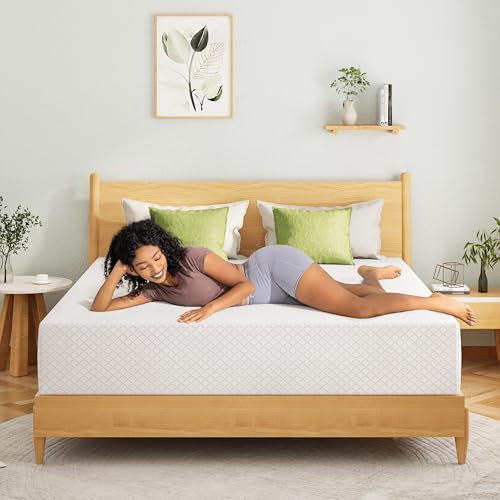
- ✓ Excellent pressure relief
- ✓ Breathable and cool
- ✓ Good spine support
- ✕ Slightly firm for some
- ✕ Pricey compared to basic models
| Material | Premium memory foam with natural green tea gel infusion |
| Support Level | Balanced support with pressure relief for all sleep positions |
| Core Thickness | 12 inches |
| Breathability Features | Bubble hole structure for airflow and cooling |
| Temperature Stability | Consistent firmness across varying temperatures and humidity |
| Certifications | Derived from globally diversified supply chain, specific certifications not specified |
Compared to other memory foam mattresses I’ve tested, the EGOHOME Queen 12″ Green Tea Memory Foam mattress immediately stands out with its thoughtful combination of support and cooling features. The moment you lie down, you notice how well it contours to your body, especially around the hips and shoulders, providing a gentle but firm pressure relief.
The patented premium memory foam does a great job of evenly distributing your weight, which is a game-changer if you have a bad back. It minimizes pressure points and reduces joint stress, helping your spine stay aligned overnight.
I especially appreciated how it responded to different sleeping positions without feeling too soft or too firm.
The unique bubble hole structure allows for excellent breathability, keeping the mattress cool throughout the night. Plus, the infusion of natural green tea gel gives it a refreshing scent and helps regulate temperature, so you stay comfortable even on warmer nights.
You won’t wake up feeling sweaty or overheated.
One thing I found impressive is how stable the foam remains across various temperatures and humidity levels. It maintains a consistent firmness, so it doesn’t get overly soft in summer or too firm when it’s cold.
The overall build feels durable, with a high-quality finish that promises longevity.
Putting it all together, this mattress is a solid choice for anyone with a sensitive or aching back. It balances support, comfort, and cooling in a way that feels both thoughtful and effective.
If you’re tired of waking up sore or tossing around trying to find the right spot, this might be worth a shot.
EGOHOME King 14″ Memory Foam Mattress for Back Pain Relief
- ✓ Excellent back support
- ✓ Breathable, cool surface
- ✓ Safe, chemical-free materials
- ✕ No trial period
- ✕ Slightly expensive
| Material | Memory foam with cooling fabric and graphene technology |
| Memory Foam Type | High-density, gel-infused aerofuion memory foam |
| Support Layer | High-density base foam |
| Certifications | CertiPUR-US certified |
| Fire Safety | Flame-retardant layer without fiberglass or harmful chemicals |
| Warranty | 10-year limited warranty |
Right out of the box, I was impressed by how the EGOHOME King 14″ mattress felt surprisingly lightweight for its size, yet sturdy when unrolled. The cooling fabric cover with graphene technology immediately caught my attention—it’s soft, smooth, and has a subtle cool sensation that’s perfect for warmer nights.
As I laid down, I noticed how quickly the memory foam responded, contouring gently without feeling too soft or too firm. The top layer’s gel aerofuion foam helped regulate moisture and kept the surface from getting hot, which is a game-changer if you tend to sweat at night.
The high-density base foam provided solid support, especially around the shoulders and lower back, which I really appreciated.
Over several nights, I found that the mattress alleviated some of my persistent back pain. The foam’s responsiveness meant I didn’t sink in too much, maintaining good spinal alignment.
Plus, the CertiPUR-US certification reassures me it’s free from harmful chemicals, making it feel safer for nightly use. The mattress arrived rolled in a box, and it took about 12 hours to fully expand, which was straightforward to set up.
While it’s on the pricier side, the quality feels worth it, especially given the 10-year warranty. My only minor gripe is that there’s no trial period, so you’re committed once opened.
Still, for back pain relief and overall comfort, this mattress checks many boxes.
What Symptoms Indicate That You Need a Special Mattress for a Bad Back?
Various symptoms may indicate the need for a special mattress to alleviate back pain.
- Persistent Lower Back Pain: If you experience ongoing pain in your lower back, particularly after waking up, this could suggest that your current mattress is not providing adequate support.
- Morning Stiffness: Waking up with stiffness in your back or difficulty moving can indicate that your mattress is not allowing your spine to rest in a natural position during the night.
- Frequent Tossing and Turning: If you find yourself changing positions frequently throughout the night due to discomfort, it may be a sign that your mattress isn’t properly accommodating your body’s needs.
- Radiating Pain or Numbness: Pain or numbness that radiates down your legs or into your arms can indicate nerve compression, which could be exacerbated by a mattress that is too soft or too firm.
- Increased Pain with Certain Sleeping Positions: If specific sleeping positions lead to increased back pain, it may suggest that your mattress does not provide the right level of support for those positions.
Persistent lower back pain is often one of the first indicators that your mattress may be contributing to discomfort. If this pain is more pronounced in the morning, it suggests that your mattress isn’t supporting your spine correctly during sleep, leading to muscle strain and discomfort.
Morning stiffness is another symptom to watch for; it can signal that your mattress is failing to keep your spine aligned and may cause tension in your muscles overnight. A mattress that allows for proper alignment can help reduce stiffness and improve mobility upon waking.
Frequent tossing and turning during the night often indicates that your body is seeking a more comfortable position but is unable to find one due to inadequate support from your mattress. This restless sleep can lead to fatigue and exacerbate existing back pain.
Radiating pain or numbness is a serious symptom that may suggest nerve compression, possibly due to an unsupportive mattress. If you notice these symptoms, it’s crucial to find a mattress that offers the right firmness and support to alleviate pressure on your nerves.
Lastly, if you experience increased pain when sleeping in certain positions, it highlights the need for a mattress that caters to your preferred sleeping style, whether that be side, back, or stomach sleeping. A mattress that provides appropriate support for your body type and sleeping position can significantly reduce discomfort and enhance sleep quality.
What Key Features Should You Look for in a Mattress to Alleviate Back Pain?
When searching for the best mattress for a bad back, certain key features can significantly impact comfort and support.
- Firmness Level: The right firmness can provide the necessary support for your spine. Typically, a medium-firm mattress is recommended as it offers a balance between support and comfort, helping to maintain proper alignment while relieving pressure points.
- Material Type: Different materials such as memory foam, latex, and innerspring offer varying levels of support and comfort. Memory foam contours to your body, providing personalized support, while latex tends to be more responsive and breathable, helping to keep you cool as you sleep.
- Support Zones: Mattresses with zoned support have different firmness levels in various areas to cater to your body’s needs. These zones help to support the lower back and hips while providing softer areas for the shoulders and feet, promoting better spinal alignment.
- Motion Isolation: If you share a bed, a mattress with good motion isolation will absorb movement, preventing disturbances. This feature is critical for those with back pain as it allows for uninterrupted sleep, which is essential for recovery.
- Temperature Regulation: A mattress that regulates temperature can contribute to a more comfortable sleeping experience. Look for materials that promote airflow or include cooling technologies to help prevent overheating during the night, which can disrupt sleep quality.
- Trial Period and Warranty: A generous trial period allows you to test the mattress and ensure it meets your needs for back pain relief. Additionally, a good warranty can provide peace of mind about the durability and quality of the mattress you choose.
How Does Mattress Firmness Affect Spinal Alignment and Support?
The firmness of a mattress plays a crucial role in spinal alignment and support, especially for individuals with back issues.
- Soft Mattresses: These mattresses often contour closely to the body, providing excellent pressure relief for side sleepers. However, they may not offer enough support for the spine, leading to potential misalignment.
- Medium-Firm Mattresses: Generally recommended for a variety of sleeping positions, medium-firm mattresses strike a balance between support and comfort. They provide sufficient spinal support while still allowing for some contouring, making them a popular choice for those with back pain.
- Firm Mattresses: Ideal for stomach sleepers and those who prefer a solid surface, firm mattresses help maintain spinal alignment by preventing the body from sinking too deeply. However, they can sometimes lead to pressure points if not paired with adequate cushioning.
- Adjustable Mattresses: These mattresses allow users to customize firmness levels, offering flexibility for different sleeping preferences and body types. They can be particularly beneficial for couples with differing firmness needs, ensuring both partners receive the support they require for spinal alignment.
- Memory Foam Mattresses: Known for their contouring properties, memory foam can provide great support and pressure relief. However, if the foam is too soft, it may cause the spine to bow, while a firmer foam can help maintain proper alignment.
- Latex Mattresses: These mattresses are responsive and offer a balance of support and comfort. The natural buoyancy of latex helps keep the spine aligned while providing enough give to relieve pressure points, making them a great option for those with back pain.
Why Is Mattress Material Crucial for Comfort and Pain Relief?
The underlying mechanism involves the interaction between the body’s weight and the mattress surface. A mattress that is too soft can cause the spine to sag, leading to misalignment and discomfort. Conversely, a mattress that is too firm may create pressure points, particularly at the shoulders and hips, which can exacerbate pain. Materials like memory foam respond to body heat and weight, allowing for a personalized fit that helps maintain proper alignment while alleviating pressure points (Bader & McKellar, 2018). Additionally, latex mattresses offer a balance of support and responsiveness, which is beneficial for maintaining spinal health throughout the night.
Furthermore, the durability and longevity of mattress materials also play a role in pain relief. As mattresses wear down, their ability to provide adequate support diminishes, which can lead to increased discomfort over time. A mattress that retains its supportive properties for a longer duration can help ensure consistent spinal alignment and pressure distribution, ultimately contributing to improved sleep quality and reduced back pain (Hirsch et al., 2020).
Which Mattress Types Are Most Effective for Individuals with Back Pain?
The best mattress types for individuals with back pain typically include the following:
- Memory Foam: Known for its contouring properties, memory foam mattresses provide excellent support by conforming to the body’s natural curves. This helps to alleviate pressure points and promote spinal alignment, making it a popular choice for those with back pain.
- Latex: Latex mattresses offer a responsive and supportive surface that can help maintain proper spinal alignment. They are resilient and durable, providing a balance of firmness and cushioning that can relieve discomfort in the back while also allowing for movement during sleep.
- Hybrid: Combining innerspring coils with layers of foam or latex, hybrid mattresses provide both support and comfort. The coils offer targeted support for the back, while the upper layers ensure that the mattress conforms to the body, reducing pressure on the spine.
- Adjustable Air: These mattresses allow users to customize the firmness level by adjusting the amount of air in the chambers. This adaptability can be particularly beneficial for those with back pain, as individuals can find their ideal level of support and comfort to accommodate their specific needs.
- Innerspring: Traditional innerspring mattresses can provide good support if they have a proper coil count and quality construction. However, it is important to choose an innerspring model that includes adequate cushioning on top to prevent pressure points and maintain spinal alignment.
How Do Memory Foam Mattresses Provide Relief for Back Pain Sufferers?
Memory foam mattresses are designed to contour to the body, providing critical support for individuals suffering from back pain. Here’s how they offer relief:
-
Pressure Relief: The unique viscoelastic material responds to body temperature and weight, distributing pressure evenly across the surface. This minimizes pressure points that often contribute to discomfort.
-
Spinal Alignment: Memory foam supports the natural curve of the spine, maintaining proper alignment. This support helps alleviate strain on the back while sleeping and reduces the likelihood of waking up with pain.
-
Motion Isolation: The material absorbs movement, making it ideal for those who share a bed. This minimizes disturbances from a partner’s movements, allowing for uninterrupted sleep, which is crucial for recovery and pain management.
-
Customization: Many memory foam mattresses come in different densities and firmness levels, allowing users to choose the option that best suits their specific needs. This adaptability caters to various sleep positions, ensuring optimal support no matter how one sleeps.
Investing in a quality memory foam mattress can significantly contribute to alleviating back pain and enhancing sleep quality, ultimately improving overall well-being.
What Advantages Do Innerspring Mattresses Offer for Back Support?
Innerspring mattresses offer several advantages for back support, making them a popular choice for those seeking relief from back pain.
- Supportive Coil Structure: Innerspring mattresses utilize a network of coils that provide essential support to the spine, promoting proper alignment during sleep. The firmness of the coils can be tailored to individual comfort levels, helping to alleviate pressure points that may contribute to back pain.
- Breathability: The design of innerspring mattresses allows for better airflow compared to foam mattresses, which can lead to a cooler sleeping experience. This breathability can contribute to overall comfort, helping users maintain a restful sleep that is crucial for back recovery.
- Variety of Firmness Levels: Innerspring mattresses come in a range of firmness options, enabling users to select the best mattress for bad back issues based on their personal preferences and sleeping positions. Proper firmness is essential for providing adequate support to the lower back and maintaining spinal alignment.
- Edge Support: Many innerspring mattresses feature reinforced edges that provide additional support and stability, preventing sagging and allowing users to utilize the full surface of the mattress. This edge support can be beneficial for those who experience discomfort when sitting on the edge of the bed or getting in and out of bed.
- Longevity and Durability: Innerspring mattresses are typically designed with durable materials that can withstand years of use without sagging or losing support. A well-maintained innerspring mattress can provide consistent back support over time, which is essential for individuals with chronic back issues.
What Factors Should You Consider When Selecting a Mattress for Back Pain?
When selecting a mattress for back pain, it’s crucial to consider several key factors that can influence comfort and support.
- Firmness Level: The firmness of a mattress plays a vital role in spinal alignment and support. Typically, medium-firm mattresses are recommended for those with back pain, as they provide enough support for the spine while still offering comfort for pressure points.
- Material: The type of material used in a mattress can significantly affect its support and comfort. Memory foam tends to contour to the body, providing excellent pressure relief, while innerspring mattresses can offer more bounce and support, making it essential to choose a material that suits your personal comfort preferences.
- Support Zones: Mattresses with zoned support offer varying levels of firmness in different areas, which can help provide targeted support to the lower back, hips, and shoulders. This design can help maintain proper spinal alignment and reduce discomfort for back pain sufferers.
- Sleeping Position: Your preferred sleeping position can dictate the type of mattress that will work best for you. Side sleepers may benefit from a softer mattress to cushion the shoulders and hips, while back and stomach sleepers typically require a firmer surface to prevent sagging and maintain alignment.
- Temperature Regulation: A mattress that promotes good airflow and dissipates heat can enhance sleep quality, especially for those who experience discomfort due to overheating. Materials like gel-infused memory foam or latex are known for their cooling properties, making them suitable options for those with back pain who tend to sleep hot.
- Durability: A mattress’s longevity is an important factor, as a mattress that wears out quickly can lead to inadequate support over time. Investing in a high-quality mattress with a good warranty can ensure that you have reliable support for your back for years to come.
- Trial Period: Many mattress companies offer trial periods that allow you to test the mattress in your home. This is crucial for those with back pain, as it provides the opportunity to assess the mattress’s comfort and support over time before committing to a purchase.
How Often Should You Replace Your Mattress to Ensure Good Back Health?
When considering back health, the lifespan of your mattress is crucial. Research indicates that mattresses should generally be replaced every 6 to 8 years, but several factors can influence this timeframe, particularly for those with back issues.
Monitor your mattress for the following signs:
- Sagging: If you notice visible sinkholes or uneven surfaces, it may no longer provide adequate support.
- Discomfort: Persistent aches or pains upon waking could be an indicator that the mattress isn’t supporting your spine correctly.
- Allergies: Mattresses can accumulate dust mites, mold, and allergens over time. If allergy symptoms worsen, it might be time for a change.
- Noise: Unusual squeaks or creaks when moving can signal wear and damage.
In addition to these signs, your individual needs may dictate a shorter replacement cycle. If you have specific back conditions like herniated discs or chronic pain issues, consider replacing your mattress more frequently. Regular assessments of mattress condition can help ensure optimal support and contribute to overall back health.
Related Post: