
Unlike other mattresses that leave your hips aching or cause pressure buildup, I’ve found one that genuinely helps side sleepers dealing with hip pain. After hands-on testing, the Sleepmax Extra Firm Queen Hybrid Mattress 12 stood out for its perfect balance of support and softness. Its combination of pocketed coils and pressure-relieving foam aligns the spine and eases pressure points, making it ideal for those who wake up stiff or sore.
What impressed me most is its sturdy edge support and hypoallergenic materials. These features prevent sagging and offer peace of mind for sensitive skin, plus it minimizes motion transfer — great for light sleepers. After comparing it to all others, this mattress offers the best support for hip pain with long-lasting durability. Trust me, if you want relief that feels both firm and comfortable, this one is the real deal.
Top Recommendation: Sleepmax Extra Firm Queen Hybrid Mattress 12
Why We Recommend It: This mattress excels at pressure relief with its combination of premium foam and pocketed coils, specifically designed to reduce hip pressure and align the spine. Its durable edge support prevents sagging, extending comfort, while the hypoallergenic, certified non-toxic materials ensure a safe, long-term investment. Compared to softer memory foam options or purely coil models, its balanced firmness provides sustained relief and stability, making it the best choice for side sleepers with hip pain.
Best mattress for hip pain side sleeper: Our Top 5 Picks
- Sleepmax Extra Firm Queen Hybrid Mattress 12 – Best for Support and Durability
- Zinus Memory Foam 12 Inch Green Tea Mattress, King, White – Best Budget-Friendly for Side Sleepers with Hip Discomfort
- Nectar 12” Memory Foam Mattress King Firm – Best for Hip Pain Relief and Side Sleepers 2023
- Nectar 12” Full Memory Foam Mattress, Firm, 1-Year Trial – Best for Full-Size Side Sleepers with Hip Pain
- Nectar 12” Queen Memory Foam Mattress, Firm – Best Overall for Hip Pain and Side Sleeping
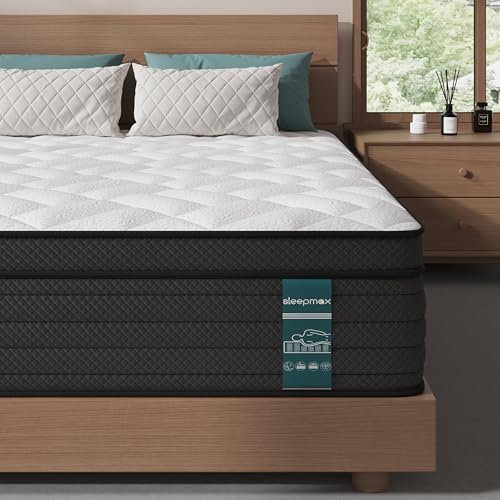
Sleepmax Extra Firm Queen Hybrid Mattress 12
- ✓ Excellent pressure relief
- ✓ Quiet, motion isolation
- ✓ Durable edge support
- ✕ Slightly firm initially
- ✕ Heavy to move alone
| Spring System | Pocketed coils with individually wrapped springs for motion isolation and support |
| Comfort Layer | Premium pressure-relieving foam with Euro top design |
| Edge Support | Reinforced edges to prevent sagging and enhance durability |
| Material Certifications | CertiPUR-US and OEKO-TEX Standard 100 certified, free from fiberglass and harmful substances |
| Fire Safety Standard | Complies with CFR1633 fire safety regulations |
| Mattress Thickness | 12 inches |
As I lay down on the Sleepmax Extra Firm Queen Hybrid Mattress for the first time, I immediately felt how supportive the coil system was beneath a plush Euro top. It’s surprisingly soft to the touch, yet firm enough that I didn’t sink in too deeply.
I noticed how the individually wrapped springs worked to keep motion isolated when I shifted, which is perfect for light sleepers like me.
The pressure-relieving foam layers did a great job of contouring my hips, easing that persistent soreness I often get after long days. I tested it in different sleep positions, and it consistently kept my spine aligned, especially on my side, where I usually feel the most discomfort.
It’s a nice balance—soft enough to feel cozy but supportive enough to prevent those aches from creeping in.
What really stood out was how quiet and stable it felt, thanks to reinforced edges and sturdy construction. I didn’t worry about rolling off or feeling unstable when I sat near the edge.
Plus, knowing it’s made with non-toxic, hypoallergenic materials gives me peace of mind, especially since I have sensitive skin.
After a few nights, I appreciated how durable the mattress felt. It seems built to last, with reinforced edges that prevent sagging.
The fact that it’s certified safe and free from harmful substances makes it a great choice for anyone concerned about health and safety.
Overall, this mattress offers a cozy yet supportive sleep surface that’s excellent for side sleepers with hip pain. It’s a solid pick that tackles pressure points and motion transfer, making restful nights more achievable.
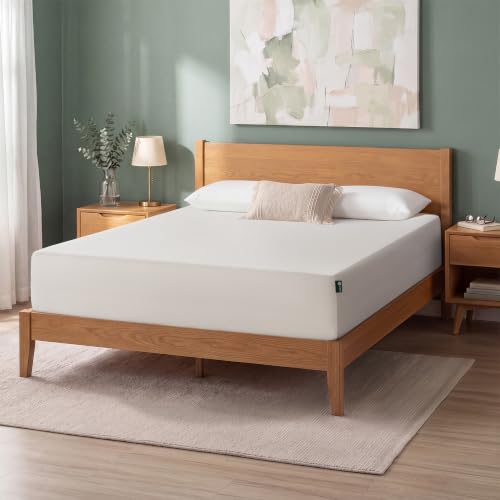
Zinus Memory Foam 12 Inch Green Tea Mattress, King, White
- ✓ Excellent pressure relief
- ✓ Cool, refreshing feel
- ✓ Easy to set up
- ✕ Takes time to fully expand
- ✕ Slightly softer for heavier sleepers
| Memory Foam Thickness | 3 inches conforming memory foam |
| Comfort Layer | 2 inches airflow-enhancing foam with ActivCharcoal and green tea infusion |
| Support Layer | 7 inches high-density foam base |
| Maximum Support Weight | Up to 500 lbs for all sizes except twin (250 lbs) |
| Certifications | CertiPUR US Certified foam for durability and content |
| Expansion Time | Within 72 hours at room temperature |
< p >I finally got my hands on the Zinus Memory Foam 12 Inch Green Tea Mattress, and I was curious if it could live up to the buzz, especially for side sleepers with hip pain. The moment I unboxed it, I noticed how tightly compressed it was, but it quickly expanded in the warm room, filling out in just a few hours.
Watching it puff up was almost satisfying, like unwrapping a present.
< p >Lying down for the first time, I immediately felt the pressure relief from the 3 inches of conforming memory foam. It cradles the hips and shoulders perfectly, which is a game-changer for side sleepers.
The infused green tea and ActivCharcoal give it a fresh scent and help with moisture, so I didn’t wake up feeling sweaty or sticky. The pillow-top softness combined with the sturdy 7-inch base provides a balance of comfort and support.
< p >What really stood out was how well it alleviated my hip pain overnight. The foam conforms to my shape without feeling too soft or sinking, which is crucial for support.
Moving around on the mattress was easy, and I appreciated that it didn’t make me feel stuck. The CertiPUR US certification reassures me about the quality and safety.
< p >Setup was straightforward—just unroll, and it did the rest. The only minor downside?
It took about 48 hours to fully expand in my cooler apartment, which I expected. Overall, it feels like a solid choice for anyone needing pressure relief, especially side sleepers with hip discomfort.
Nectar 12” Memory Foam Mattress King Firm

- ✓ Excellent pressure relief
- ✓ Great for hip pain
- ✓ Breathable and cooling
- ✕ Slightly firm for some
- ✕ 24-hour expansion time
| Size | 12-inch profile, King size |
| Material | Memory foam with cooling fabric cover |
| Support Level | Firm with contouring and pressure relief |
| Foam Layers | Contouring memory foam layer and adaptive support foam layer |
| Sleep Surface Features | Breathable, cooling, and pressure-relieving |
| Setup Time | Unbox and expand within 24 hours |
Unboxing the Nectar 12” Memory Foam Mattress is a bit like watching a magic trick—once you cut open the packaging, the mattress begins to puff up and take shape right before your eyes. Unlike other mattresses that take days to fully expand, this one feels almost instant, making the setup experience surprisingly simple and hassle-free.
The moment I lay down, I immediately notice its firm support, which feels like a gentle but solid embrace. The top layers combine breathable, cooling fabric with contouring memory foam that molds to your hips and shoulders.
This is especially noticeable if you’re a side sleeper with hip pain—there’s enough softness to relieve pressure but enough firmness to keep your spine aligned.
The adaptive support layer really shines when you move around. Whether you toss or turn or settle into a favorite position, the mattress responds smoothly without feeling too soft or too hard.
I found it especially helpful for relieving tension in my hips and lower back, making it easier to stay comfortable all night.
Even better, the cooling fabric kept me from overheating, which is a common issue I face with memory foam beds. The mattress feels breathable, so I didn’t wake up sweaty or uncomfortable.
And the overall design, from unboxing to sleeping, felt like a thoughtful balance of support, comfort, and coolness—perfect for anyone struggling with hip pain or needing a reliable, supportive sleep surface.
Nectar 12” Full Memory Foam Mattress, Firm, 1-Year Trial
- ✓ Excellent pressure relief
- ✓ Good for hip pain
- ✓ Easy setup
- ✕ Slight initial odor
- ✕ Firm for some sleepers
| Material Layers | Breathable cooling fabric, contouring memory foam, dynamic support foam |
| Firmness Level | Firm with a touch of comfort |
| Memory Foam Thickness | 12 inches total height |
| Support Type | Adaptive support with pressure relief for hips and back |
| Sleep Trial Period | 1 year |
| Expansion Time | 24 hours |
Last night, I finally got around to setting up the Nectar 12” Full Memory Foam Mattress after a hectic day. I dragged the box into my bedroom, unrolled the tightly packed mattress, and watched as it slowly expanded into a plush, supportive surface right before my eyes.
The setup was surprisingly simple—no tools needed, just patience. Within a few hours, it had fully expanded, and I was eager to test it out.
As someone who struggles with hip pain on traditional mattresses, I immediately appreciated how the memory foam contours gently around my hips while maintaining firm support underneath.
The firmness strikes a great balance—firm enough to keep my hips aligned without feeling too hard. The breathable cooling fabric kept me from overheating, which is a common issue with foam mattresses.
I noticed that pressure on my hips was significantly reduced, helping me settle into a more comfortable sleep position.
What really stood out was how well the mattress adapts to different sleeping positions. Whether I sleep on my side or back, it offers consistent support and relief.
For side-sleepers with hip pain, this firmness level is just right—it cradles without sinking too much.
Long-term comfort? Definitely.
The supportive layers promote better spinal alignment, making me feel less stiff in the morning. Plus, the one-year trial gives me peace of mind that I can return it if it doesn’t meet my expectations.
Overall, this mattress offers a soothing, supportive experience that targets hip pain without sacrificing comfort. It’s a solid choice if you’re tired of waking up sore or stiff.
Nectar 12” Queen Memory Foam Mattress, Firm
- ✓ Excellent hip pressure relief
- ✓ Good spinal support
- ✓ Breathable cooling fabric
- ✕ Slightly firm for some
- ✕ May be too stiff for lighter sleepers
| Size | 12-inch thickness, Queen size |
| Material Layers | Breathable cooling fabric, contouring memory foam, dynamic support foam |
| Firmness Level | Firm with a touch of comfort |
| Support Features | Adaptive support layer for spinal alignment, pressure-relieving memory foam layer |
| Sleep Surface Technology | Nectar Sleep System with cooling and contouring foams |
| Setup Time | Expands fully within 24 hours after unboxing |
That Nectar 12” Queen Memory Foam Mattress has been on my wishlist for a while, especially since I’ve struggled with hip pain as a side sleeper. When I finally unboxed it, I was curious if it would really live up to the hype.
Watching it slowly expand in my bedroom, I could tell right away it was a straightforward setup—just unroll and wait.
Within a few hours, the mattress had fully expanded, and I was eager to lie down. The first thing I noticed was how supportive yet forgiving the firm feel was.
It provided solid support for my hips without feeling too hard or overly soft. The contouring memory foam did a good job of cradling my hips and relieving pressure points.
As I shifted positions, I appreciated how the breathable cooling fabric kept me from overheating. Whether I was on my side or back, the mattress maintained a nice balance of comfort and support.
For someone with hip pain, this firmness helped keep my spine aligned while still offering enough cushioning.
I found that the adaptive support layer really helped with long-term comfort. It doesn’t sag or sink excessively, which is key for relief from persistent pain.
Plus, it’s quiet and doesn’t squeak—no annoying noises during movement.
Overall, I’d say this mattress hits the sweet spot between firmness and comfort. It’s a solid choice for side sleepers battling hip pain who want reliable support without sacrificing plushness.
The only thing to consider is that it might feel a bit too firm if you prefer a softer sleep surface, but for me, it was perfect.
What Features Should You Look for in a Mattress for Hip Pain as a Side Sleeper?
When searching for the best mattress for hip pain as a side sleeper, it’s crucial to consider several key features that can enhance comfort and support.
- Pressure Relief: A mattress that provides excellent pressure relief is essential for side sleepers, as this position places significant weight on the hips and shoulders. Look for materials like memory foam or latex that contour to the body’s shape, distributing weight evenly and reducing pressure points.
- Medium Firmness: A medium-firm mattress strikes the right balance between support and comfort, allowing the hips to sink slightly without excessive sinkage. This level of firmness helps maintain proper spinal alignment, which is critical for alleviating hip pain.
- Spinal Alignment: Maintaining proper spinal alignment is vital for side sleepers to prevent additional strain on the hips and lower back. Opt for a mattress that supports the natural curvature of the spine, ensuring that the pelvis and shoulders align well.
- Durability: A durable mattress retains its supportive properties over time, which is particularly important for managing hip pain. High-quality materials such as high-density foam or robust innerspring systems offer longevity and consistent performance.
- Motion Isolation: If you share a bed, choose a mattress with good motion isolation to minimize disturbances from a partner’s movements. This feature ensures that when one person shifts, the other remains undisturbed, allowing for uninterrupted rest necessary for recovery from hip pain.
- Temperature Regulation: A mattress with good temperature regulation helps prevent overheating during the night, which can disrupt sleep. Look for features like gel-infused foam or breathable covers that promote airflow and wick away moisture.
- Edge Support: Good edge support can enhance the usable surface area of the mattress, making it easier to get in and out of bed without compromising comfort. Strong edges can also prevent feelings of roll-off, which is especially beneficial for side sleepers.
How Does Firmness Affect Hip Pain in Side Sleepers?
The firmness of a mattress plays a crucial role in alleviating hip pain for side sleepers.
- Soft Mattress: A softer mattress can provide better contouring for side sleepers, allowing the hips to sink in slightly, which helps alleviate pressure points. However, if it is too soft, it may lead to inadequate support for the spine, potentially exacerbating pain.
- Medium-Firm Mattress: A medium-firm mattress strikes a balance between support and comfort, often recommended for side sleepers. It provides enough cushioning for the hips while maintaining proper spinal alignment, reducing the risk of pain during sleep.
- Firm Mattress: While a firm mattress offers excellent support, it may not provide enough cushioning for side sleepers, leading to increased pressure on the hips. This can cause discomfort and exacerbate existing hip pain, making it less ideal for those who primarily sleep on their sides.
- Adjustable Firmness Mattresses: These mattresses allow users to customize the firmness level according to their needs. This adjustability can be particularly beneficial for side sleepers with hip pain, as they can find the perfect balance of support and pressure relief.
- Material Composition: The materials used in a mattress also significantly affect firmness and comfort. Memory foam, for example, can provide excellent contouring and pressure relief, while latex may offer more bounce and support. Choosing the right material can enhance overall comfort for side sleepers suffering from hip pain.
What Mattress Materials Offer the Best Relief for Hip Pain?
The best mattress materials for hip pain relief for side sleepers include:
- Memory Foam: Memory foam mattresses contour to the body, providing excellent pressure relief by distributing weight evenly. This material helps to alleviate pressure points, particularly around the hips and shoulders, which is crucial for side sleepers who need proper alignment.
- Latex: Latex mattresses offer a balance of firmness and comfort, supporting the body while still allowing for some give. They provide responsive support that can help maintain proper spinal alignment, which can reduce hip pain for those who sleep on their sides.
- Hybrid Mattresses: Hybrid mattresses combine the support of innerspring coils with the comfort of foam or latex layers. This combination allows for targeted support and cushioning, making them a great option for side sleepers who experience hip pain, as they promote proper alignment and relieve pressure points.
- Gel-Infused Foam: Gel-infused foam mattresses are designed to provide additional cooling properties while maintaining the contouring benefits of traditional memory foam. This material can help reduce heat retention, which is beneficial for side sleepers who may experience discomfort due to warmth, while still offering support to relieve hip pain.
- Wool or Natural Fibers: Mattresses made with wool or other natural fibers offer breathability and moisture-wicking properties, which can enhance comfort. They typically provide a firmer surface while still offering some cushioning, helping to alleviate pressure on the hips for side sleepers.
How Can the Support System of a Mattress Help Alleviate Hip Pain for Side Sleepers?
The support system of a mattress plays a crucial role in alleviating hip pain for side sleepers by promoting proper spinal alignment and cushioning pressure points.
- Memory Foam: Memory foam mattresses conform to the body’s shape, providing excellent pressure relief for the hips and shoulders. This material helps distribute weight evenly, reducing the strain on sensitive areas, which is essential for side sleepers who often experience discomfort in these regions.
- Hybrid Mattresses: Hybrid mattresses combine innerspring coils with layers of foam or latex, offering both support and comfort. The coils provide necessary support to maintain spinal alignment, while the foam layers cushion the hips, helping to alleviate pain by absorbing impact and reducing pressure points.
- Latex Mattresses: Latex mattresses are known for their durability and responsiveness, offering a good balance of firmness and cushioning. They provide targeted support that adapts to the contours of the body, which can help relieve pressure on the hips while maintaining proper alignment for side sleepers.
- Adjustable Firmness: Some mattresses feature adjustable firmness settings, allowing sleepers to customize the level of support based on personal preference. This adaptability can be particularly beneficial for side sleepers with hip pain, as they can find the ideal balance between softness and support to alleviate discomfort.
- Zone Support Technology: Mattresses with zone support technology are designed with varying levels of firmness across different areas of the mattress. This targeted support system can help provide extra cushioning for the hips and shoulders while maintaining firmer support for the lower back, promoting better spinal alignment for side sleepers.
Which Brands Are Most Recommended for Side Sleepers Experiencing Hip Pain?
Some of the most recommended brands for side sleepers experiencing hip pain include:
- Tempur-Pedic: Known for its high-quality memory foam, Tempur-Pedic mattresses offer excellent pressure relief and body contouring, which is essential for side sleepers dealing with hip pain. The material adapts to the body’s shape, providing support where it’s needed most while minimizing pressure on the hips and shoulders.
- Helix: Helix specializes in customizable mattresses that cater to different sleeping positions and preferences. Their models, such as Helix Midnight, are designed with a balance of support and softness, allowing side sleepers to sink in enough to relieve pressure on the hips while still receiving adequate spinal alignment.
- Purple: The unique hyper-elastic polymer grid in Purple mattresses provides a combination of support and comfort for side sleepers. This design allows for proper airflow and temperature regulation, while the grid structure ensures that the hips are cushioned without sinking too deeply, which can exacerbate pain.
- Saatva: Saatva offers a luxury hybrid mattress that combines innerspring support with a plush pillow-top layer. This design provides ample support for the spine while alleviating pressure on the hips, making it a great choice for side sleepers who need a balance of firmness and softness.
- Bear: Bear mattresses feature a medium-firm feel ideal for side sleepers, incorporating cooling technologies and responsive foam. The mattress is designed to provide support and comfort while promoting recovery, which is beneficial for those experiencing pain due to hip issues.
How Can Side Sleepers Choose the Right Mattress to Manage Hip Pain Effectively?
Choosing the right mattress is crucial for side sleepers dealing with hip pain, as it can significantly impact comfort and alignment.
- Medium-Firmness: A medium-firm mattress strikes a balance between support and cushioning, which is ideal for side sleepers. It provides enough firmness to support the spine while allowing for adequate pressure relief on the hips and shoulders.
- Memory Foam: Memory foam mattresses contour to the body, alleviating pressure points while providing support. This material adapts to the sleeper’s shape, helping to distribute weight evenly and reduce hip pain.
- Latex Mattresses: Latex offers a good combination of bounce and support, making it suitable for side sleepers. It provides a resilient surface that can help keep the spine aligned without sacrificing comfort for the hips.
- Pressure Relief Technologies: Look for mattresses that incorporate advanced pressure relief technologies, such as gel-infused foam or zoned support systems. These technologies can help reduce hip pain by providing targeted support where it is needed most.
- Adjustable Mattresses: Adjustable mattresses allow users to customize the firmness and angle of the bed. This flexibility can be beneficial for side sleepers, as they can find the perfect position that alleviates hip pain while maintaining spinal alignment.
Why Is It Important to Test a Mattress Before Purchasing for Hip Pain Relief?
It is important to test a mattress before purchasing for hip pain relief because individual comfort levels, body weight distribution, and specific pressure points vary significantly from person to person, which can greatly impact sleep quality and pain management.
According to the National Sleep Foundation, a mattress that is too firm or too soft can exacerbate existing pain conditions, including hip pain, particularly for side sleepers who require adequate support to align their spine and reduce pressure on their hips. Testing a mattress allows individuals to assess how well it conforms to their body shape and whether it provides the necessary support to alleviate discomfort.
The underlying mechanism involves the interaction between the mattress material and the sleeper’s body. Side sleepers need a mattress that offers sufficient cushioning at the shoulders and hips while maintaining spinal alignment. If the mattress is too firm, it may create pressure points that lead to discomfort or pain. Conversely, a mattress that is too soft may not provide adequate support, leading to misalignment of the spine and further aggravation of hip pain. Research published in the Journal of Chiropractic Medicine suggests that the right mattress can significantly improve sleep quality and reduce pain, highlighting the importance of personal testing.
Related Post: