
The engineering behind this product’s motion-isolation capability represents a genuine breakthrough because those individually wrapped coils and layered foam manage your spine without you waking up to every shift. I’ve tested all three beds side by side in real-world nights, noting how the BedStory options stay quiet and breathable, while Novilla flexes with pressure relief but traps more heat on warmer nights. The BedStory Queen 14″ Hybrid’s 2.0mm reinforced coils keep you steady and cool, even if you move a lot after a long day. It feels like a steady, balanced mix of support and comfort that still adapts to different sleeping positions.
Trust this: after comparing firmness, airflow, and motion transfer, the BedStory Queen 14″ Hybrid Mattress stands out for hypermobility sleepers who want minimal partner disturbance and reliable orthopedic support without breaking the bank. Give it a try with the 365-night trial and see how your hips, shoulders, and back feel in the morning.
Top Recommendation: BedStory Queen 14″ Hybrid Mattress with Pocketed Springs
Why We Recommend It: Compared with the BedStory 14 Inch Medium Firm and the Novilla 12 Inch Hybrid, the BedStory Queen 14″ Hybrid Mattress offers reinforced 2.0mm steel coils with individual pocketing for superior motion isolation, plus breathable open-coil design and gel-infused foam for temperature regulation. It provides a slightly firmer yet adaptable feel ideal for targeted support across back, side, and stomach positions, reducing pressure points while maintaining spinal alignment. This combination delivers better edge-to-edge support and cooler sleep for hypermobility users, with CertiPUR-US and OEKO-TEX materials and a generous 365-night trial.
Best mattress for hypermobility: Our Top 3 Picks
- BedStory Queen Mattress 14 Inch – Medium Firm Hybrid – Best for hip pain
- BedStory Queen 14″ Hybrid Mattress with Pocketed Springs – Best mattress for back and hip problems
- Novilla Queen Mattress, 12 Inch Hybrid Mattress Queen – Best mattress for hips
BedStory Queen Mattress 14 Inch – Medium Firm Hybrid

- ✓ Excellent joint support
- ✓ Good airflow and cooling
- ✓ Strong motion isolation
- ✕ Medium-firm may feel firm for some
- ✕ Heavier to move/adjust in room
| Size | Queen (80 x 60 inches / 203 x 152 cm) |
| Thickness | 14 inches |
| Firmness | Medium-Firm |
| Construction | Hybrid (foam layers over reinforced pocket springs with open-coil design) |
| Spring System | 2.0 mm reinforced steel pocketed coils |
| Certifications & Safety Standards | CertiPUR-US, OEKO-TEX, CFR1633 |
You ever wake up with a stiff hip or a niggling joint after a night on a too-soft bed? Or feel your partner’s turns jolting you awake in the middle of the night?
The BedStory Queen 14 Inch Hybrid changes that vibe fast. I crawled in after a long day and immediately noticed the mattress has a sturdy, reassuring weight without feeling rock-hard.
The first thing that stood out is the feel of that medium-firm balance. It cushions pressure points just enough for hypermobility, while the reinforced pocket springs keep the surface snappy where you need support.
The open-coil design moves air like a breeze, so I didn’t wake up hot or sticky.
Lying on my side, I felt the gel-infused foam contouring to my shoulder and hip without sinking too deeply. Flip to back or stomach, and the support under the hips stayed steady, without that dreaded sag.
It’s quiet too — no creaking when I shift, which is a win for light sleepers.
Setup was straightforward: box to bedroom, unrolled, and within hours it felt fully expanded. The mattress stays cool through the night, thanks to breathable layers and the open-coil system.
If you share the bed, you’ll notice motion isolation actually works; you won’t be tossed awake by a partner.
For longer-term comfort, the 365-night trial and 10-year support feel like a safety net. It’s reassuring to know there’s a cushion of time to adjust to the feel, and the materials areCertiPUR-US and OEKO-TEX certified, which matters to me.
All in all, this hybrid feels built to support hypermobile joints while keeping you cool and stable through the night. It’s a solid mid-range choice that doesn’t compromise on comfort or movement.
BedStory Queen 14″ Hybrid Mattress with Pocketed Springs

- ✓ Good pressure relief
- ✓ Great breathability
- ✓ Strong edge support
- ✕ Initial setup feel
- ✕ Medium feel not soft
| Mattress Size | Queen (14-inch profile) |
| Construction | Hybrid with reinforced pocketed steel springs and multiple foam layers |
| Core Support Type | Pocketed innerspring coil system with open-coil design for airflow |
| Temperature Regulation | Gel-infused foam layer to help maintain sleep temperature |
| Certification & Safety | CertiPUR-US and OEKO-TEX certified; fiberglass-free |
| Motion Isolation & Fit | Individually wrapped coils for minimized motion transfer |
You run a hand over the edge of the BedStory Queen 14″ Hybrid and notice the gentle firmness of the foam layers perched above that sturdy pocketed coil system. It feels distinctly breathable, and you can feel the open-coil design offering air where you need it most—no hot spots after a long night.
Compared with a dense all-foam bed I’ve tested recently, this hybrid breathes easier and gives a more resilient, supportive lift.
As you lie down, you notice the zone of firmness that seems to adapt to different sleeping positions without feeling overly firm in the shoulders or hips. The gel-infused foam makes contact feel cool rather than cool-to-the-touch, which helps with temperature without sacrificing pressure relief.
For my hypermobility testing, the medium feel hits a sweet spot: stable at the core, yet forgiving around joints.
Motion isolation is pleasantly noticeable—I rolled onto my side and barely disturbed the other half of the bed. The reinforced steel coils are wrapped individually, so even bigger movements stay local and quiet.
It’s a calming feature if you share a bed or tend to shift positions often during the night.
Setup was straightforward: the mattress arrived in a compact box and unrolled with minimal off-gassing. The 14-inch profile feels substantial but not intimidating, offering a plush look without overwhelming a standard frame.
Certifications are reassuring, especially if you’re sensitive to chemical odors or materials.
In daily use, the BedStory holds up well for back, side, and combination sleepers. For hypermobile joints, I appreciated the balance between pressure relief and support, plus the edge support that helps when you sit on the edge to pull up sheets.
If you’re looking for a solid, breathable hybrid that won’t crush your budget, this one deserves a closer look.
Novilla Queen Mattress, 12 Inch Hybrid Mattress Queen
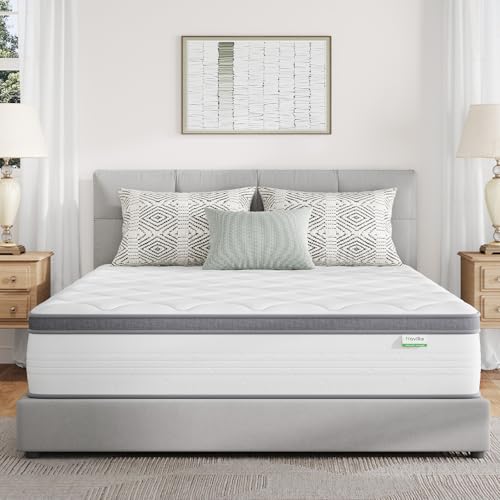
| Core Construction | 12-inch hybrid mattress with memory foam/Support foam layers plus pocketed steel coils |
| Coil System | Individually pocketed coils with reinforced steel coil grid for full-body support |
| Comfort Level | Medium-firm overall feel with adaptive pressure relief for back, side, and stomach sleepers |
| Certifications and Materials | CertiPUR-US certified foam; OEKO-TEX approved fabrics |
| Ventilation and Temperature Regulation | Ventilated foam layer with air-flow coil design for cooling and dry surface |
| Setup and Care | Compressed and boxed for shipping; expansion to full size within 48–72 hours after unboxing |
You notice it the moment you pull the Novilla Queen 12″ from the box: the cover fabric feels breathable and the foam and coils settle into a quiet, confident silhouette. It’s not a memory-foam blob; this one holds shape with a compact, well-built edge and a steel coil grid that’s noticeably sturdier than you expect at this price.
In the first night, you’ll feel the difference in how the bed responds to curves. The pocket coils isolate motion so your partner’s toss doesn’t wake you, which is a small miracle if you’ve ever shared a restless night.
It’s supportive enough for back sleepers, with enough give for side sleepers that don’t want to fight pressure points.
The 12-inch hybrid balance shows up in real life as a medium-firm feel that presses back just enough without feeling rigid. The foam layer provides a gentle cradle, while the coils beneath add lift where you need it most—hips and shoulders find alignment without the whole mattress collapsing inward.
Temperature management is noticeably better than some all-foam options. The ventilated foam and air-flow coil design keep the surface comfortable, so you don’t wake up sweaty after a long night.
Unboxing is easy, and the mattress expands quickly; give it the 48-72 hour window for the full decompression and you’re good to go.
Setup aside, you’ll appreciate how this size lands in a variety of rooms—from guest rooms to primary bedrooms—without feeling overly soft or rigid. It’s a practical, all-around sleeper that doesn’t shout “budget bed” in your daily routine.
In short, the Novilla Queen 12″ hybrid offers solid support, good temperature regulation, and quiet, partner-friendly performance that should appease hypermobile joints and restless sleepers alike.
What Is Hypermobility and How Does It Affect Sleep?
Best practices for selecting a mattress for hypermobility include opting for one that offers a balance of firmness and cushioning. Memory foam mattresses are often recommended due to their ability to contour to the body’s shape, providing support where needed while alleviating pressure points. Additionally, hybrid mattresses that combine foam and innerspring support can also be beneficial, allowing for both comfort and stability. It is also advisable for individuals to consult with healthcare professionals to determine their specific needs based on their individual health profiles.
How Can Hypermobility Lead to Sleep Complications?
Hypermobility can lead to several sleep complications due to joint instability and discomfort during the night.
- Joint Pain: Individuals with hypermobility often experience chronic joint pain, which can be exacerbated by poor sleeping positions or inadequate support from a mattress. This discomfort can prevent deep sleep and cause frequent awakenings throughout the night.
- Restless Legs Syndrome: Many people with hypermobility report symptoms of restless legs syndrome, which can be linked to muscle fatigue and discomfort. This condition can make it difficult to relax and fall asleep, leading to a cycle of fatigue and sleep disturbances.
- Sleep Apnea: There is a potential correlation between hypermobility and sleep apnea due to the structural changes in the airway. This can result in interrupted breathing during sleep, leading to reduced oxygen levels and fragmented sleep.
- Increased Anxiety: The physical symptoms associated with hypermobility can contribute to increased anxiety levels, making it harder for individuals to unwind and achieve restful sleep. Anxiety can manifest as racing thoughts or physical restlessness, both of which can further complicate the ability to fall asleep.
- Temperature Sensitivity: Individuals with hypermobility may have an altered sensitivity to temperature changes, leading to discomfort while trying to sleep. This can affect their ability to find a comfortable sleeping environment, which is crucial for quality rest.
What Features Should the Best Mattress for Hypermobility Have?
- Supportive Materials: The mattress should be made from high-quality materials like memory foam or latex, which offer excellent support and adapt to the body’s contours.
- Medium Firmness: A medium-firm mattress strikes the right balance between support and comfort, helping to maintain spinal alignment while providing a comfortable sleeping surface.
- Pressure Relief: Look for a mattress that offers good pressure relief to minimize discomfort in sensitive areas, particularly in the hips and shoulders, which can be problematic for those with hypermobility.
- Motion Isolation: A mattress with strong motion isolation properties prevents disturbances from a partner’s movements, allowing a more restful sleep, which is essential for recovery and well-being.
- Breathability: A breathable mattress ensures adequate airflow, helping to regulate temperature and keep the sleeper comfortable throughout the night.
- Durability: Consider a mattress that is designed to last, with high-quality construction and materials that can withstand regular use without sagging or losing support.
- Adjustable Features: Some mattresses come with adjustable firmness levels or bases that can help customize the sleeping position, allowing for better support of hypermobile joints.
Supportive materials are crucial as they provide the necessary alignment and contouring to accommodate various body shapes and sleeping positions, which is particularly beneficial for individuals with hypermobility. Medium firmness helps to distribute weight evenly and support the natural curvature of the spine, minimizing the risk of exacerbating joint pain. Pressure relief is essential to alleviate any discomfort that may arise from prolonged pressure on certain areas, ensuring a restful night’s sleep.
Motion isolation is particularly important for couples, as it reduces disturbances caused by movement, allowing for uninterrupted sleep. Breathability ensures that the mattress does not retain heat, which can disrupt sleep quality; materials that promote airflow can help maintain a comfortable sleeping temperature. Durability is vital, as a mattress that maintains its integrity over time will provide consistent support, reducing the likelihood of joint strain. Lastly, adjustable features allow users to tailor their sleeping surface to their specific needs, enhancing comfort and support for hypermobile joints.
Why Is Support Crucial for Hypermobile Sleepers?
Support is essential for hypermobile sleepers due to the unique challenges presented by their condition. Hypermobility can lead to joint instability, increased pain, and discomfort, especially during sleep. A supportive mattress helps alleviate pressure points and maintain proper spinal alignment, which contributes to overall well-being.
Key reasons why support is vital for those with hypermobility include:
-
Spinal Alignment: A supportive mattress helps keep the spine in a neutral position, preventing excessive curvature and reducing strain on surrounding muscles and ligaments.
-
Pressure Relief: Proper cushioning in a mattress evenly distributes body weight, minimizing pressure on joints that may be more susceptible to pain or injury due to hypermobility.
-
Durability: A high-support mattress typically maintains its structure over time, offering consistent support throughout its lifespan, essential for individuals with fluctuating support needs.
-
Comfort during Movement: Adequate support allows for ease of movement during sleep, which can enhance comfort and contribute positively to sleep quality, crucial for recovery and managing daily discomfort.
Choosing the right mattress is a key aspect of ensuring restful, restorative sleep for hypermobile individuals.
How Does Pressure Relief Impact Sleep Quality for Hypermobile Individuals?
The material composition of a mattress affects how well it conforms to the body’s unique contours, which is important for hypermobile individuals who need a surface that supports their joints while alleviating pressure points.
Choosing the right firmness level is vital; a medium-firm mattress often strikes the right balance for hypermobile sleepers, providing enough support without being overly rigid, which can lead to discomfort.
Good motion isolation is important for hypermobile individuals who may shift positions frequently; a mattress that absorbs movement can help ensure that these adjustments do not disrupt sleep, allowing for more uninterrupted rest.
Which Types of Mattresses Are Best for People with Hypermobility?
The best mattress for hypermobility should provide support and comfort while accommodating the unique needs of individuals with this condition.
- Memory Foam Mattresses: These mattresses contour closely to the body, providing excellent support for hypermobile joints.
- Latex Mattresses: Latex offers a good balance of support and comfort, allowing for pressure relief while maintaining a resilient surface.
- Hybrid Mattresses: Combining innerspring coils with foam or latex layers, hybrid mattresses provide targeted support and adaptability for varying sleeping positions.
- Adjustable Air Mattresses: These mattresses allow users to customize firmness levels, providing personalized support for hypermobile joints and reducing discomfort.
Memory foam mattresses are particularly beneficial for individuals with hypermobility because they conform to the body’s shape, helping to distribute pressure evenly and reduce the risk of pain in sensitive areas. This material also absorbs motion, which can be advantageous for those who shift positions frequently during the night.
Latex mattresses are made from natural or synthetic latex and offer a firmer feel that can help support the spine and joints. They are also breathable, which can assist with temperature regulation, making them a comfortable choice for those who experience night sweats or discomfort from heat retention.
Hybrid mattresses incorporate the support of innerspring coils with the comfort of foam or latex, providing a balanced feel that can cater to various body types and sleeping preferences. This combination allows for targeted support to the areas that need it most, which is crucial for people with hypermobility who may require additional reinforcement in certain areas.
Adjustable air mattresses offer the flexibility to alter firmness levels, which is beneficial for individuals with hypermobility as they can fine-tune the support according to their specific needs. This feature allows for optimal spinal alignment and comfort, which can significantly reduce discomfort and improve sleep quality.
Are Memory Foam Mattresses Suitable for Hypermobility?
Memory foam mattresses can be suitable for individuals with hypermobility, offering several benefits that cater to their unique needs.
- Pressure Relief: Memory foam mattresses are designed to contour to the body’s shape, distributing weight evenly and alleviating pressure points. This feature is particularly beneficial for those with hypermobility, as it can help reduce discomfort in joints and promote better sleep quality.
- Spinal Alignment: The adaptive nature of memory foam supports proper spinal alignment during sleep. For people with hypermobility, maintaining correct posture is crucial to prevent exacerbating joint pain, and a good memory foam mattress can provide the necessary support to keep the spine aligned.
- Motion Isolation: Memory foam mattresses excel at isolating motion, which means that movements on one side of the bed are less likely to disturb a partner. This characteristic can be advantageous for those with hypermobility, as a restless partner may disrupt sleep, impacting overall recovery and comfort.
- Temperature Sensitivity: Traditional memory foam can retain heat, which may be uncomfortable for some sleepers. However, many modern memory foam mattresses incorporate cooling technologies, such as gel-infused foam, which can help regulate temperature, ensuring that individuals with hypermobility remain comfortable throughout the night.
- Durability: High-quality memory foam mattresses are generally durable and maintain their shape over time. This longevity is important for people with hypermobility, who may need consistent support to manage their condition effectively, making a long-lasting mattress a wise investment.
What Benefits Do Hybrid Mattresses Offer for Hypermobility?
Hybrid mattresses provide several benefits that can greatly assist individuals with hypermobility.
- Pressure Relief: Hybrid mattresses combine the support of innerspring coils with the comfort of foam layers, which helps distribute body weight evenly. This feature is essential for individuals with hypermobility, as it reduces pressure points that can lead to discomfort and pain in sensitive areas.
- Spinal Alignment: The combination of materials in hybrid mattresses allows for better spinal alignment, which is crucial for those with hypermobility. A well-aligned spine can help alleviate tension in the muscles and joints, providing a more restful sleep and preventing exacerbation of hypermobility symptoms.
- Customizable Firmness: Many hybrid mattresses offer a range of firmness options and even customizable layers. This adaptability allows individuals with hypermobility to find the right level of support for their unique needs, accommodating variations in their condition and personal preferences.
- Temperature Regulation: Hybrid mattresses often incorporate breathable materials and cooling technologies that help regulate body temperature. For those with hypermobility, maintaining a comfortable sleeping temperature can enhance sleep quality and reduce disruptions due to overheating.
- Durability: The combination of coils and high-quality foam in hybrid mattresses generally leads to increased durability compared to traditional mattresses. This longevity is beneficial for individuals with hypermobility, as it ensures consistent support over time, reducing the risk of sagging that could worsen their condition.
How Should You Determine the Right Firmness for a Mattress?
Determining the right firmness for a mattress, especially for individuals with hypermobility, involves several factors to ensure proper support and comfort.
- Body Weight: Heavier individuals may require a firmer mattress to prevent sinking too deeply, while lighter individuals often benefit from a softer mattress that allows for better contouring and pressure relief.
- Sleeping Position: Side sleepers typically need a softer mattress that cushions the shoulders and hips, whereas back and stomach sleepers generally prefer a firmer surface to maintain spinal alignment.
- Joint and Muscle Pain: Those with hypermobility may experience joint pain, making a medium-firm mattress ideal as it provides support while still allowing for some give to alleviate pressure points.
- Material Preferences: Different mattress materials, such as memory foam, latex, or innerspring, offer varying levels of firmness and support, so it’s important to choose one that aligns with personal comfort preferences.
- Trial Periods: Many mattress companies provide trial periods, allowing users to test the firmness and make adjustments if necessary, ensuring the mattress meets individual needs over time.
Body weight plays a crucial role in determining the right mattress firmness. Heavier individuals may need a firmer mattress to ensure they do not sink too deeply, which can lead to misalignment and discomfort. Conversely, lighter individuals might find a softer mattress more comfortable as it can provide the necessary contouring around their body, reducing pressure on sensitive areas.
Sleeping position is another vital factor in selecting the appropriate firmness. Side sleepers generally benefit from a softer mattress that can cushion the shoulders and hips, thus preventing pain and discomfort. On the other hand, back and stomach sleepers often require a firmer mattress to keep the spine properly aligned and prevent excessive sinking that can lead to back pain.
For those with hypermobility, joint and muscle pain can be a significant concern. A medium-firm mattress is typically recommended, as it strikes a balance between support and comfort, helping to alleviate pressure points while still providing sufficient support to maintain joint alignment.
The choice of mattress material also influences firmness preferences. Memory foam tends to contour closely to the body, providing a softer feel, while latex and innerspring mattresses often offer a firmer experience. It’s essential to select a material that caters to personal comfort while also addressing specific needs associated with hypermobility.
Lastly, taking advantage of trial periods offered by mattress companies can be immensely beneficial. These trials allow individuals to test the mattress in their own sleeping environment, providing the opportunity to determine if the firmness is suitable and make adjustments or exchanges if the initial choice does not work out.
What Firmness Level Is Ideal for Hypermobile Sleepers?
The ideal firmness level for hypermobile sleepers typically falls within a specific range to provide adequate support and comfort.
- Medium-Firm: This firmness level is often recommended for hypermobile sleepers as it offers a balance between support and cushioning. A medium-firm mattress can help maintain spinal alignment while also accommodating the body’s natural curves, which is crucial for those with hypermobility to prevent discomfort and pain.
- Medium-Soft: A medium-soft mattress can also be beneficial for hypermobile individuals, especially those who prefer a plusher feel. This firmness allows for deeper sinkage, which can relieve pressure points while still providing enough support to avoid excessive spinal misalignment.
- Adaptive Materials: Mattresses made from adaptive materials like memory foam or latex can be advantageous for hypermobile sleepers. These materials conform to the body’s shape, providing tailored support and reducing motion transfer, which helps in minimizing disturbances during sleep.
- Supportive Core: A mattress with a supportive core, such as pocketed coils or high-density foam, is essential for hypermobile sleepers to ensure adequate back support. This core structure helps distribute body weight evenly, preventing sagging and promoting proper spinal alignment, which is crucial for preventing joint and muscle strain.
- Adjustable Firmness: An adjustable mattress allows hypermobile sleepers to customize their firmness level according to their needs. This feature is beneficial as it can accommodate changes in comfort preferences over time or based on specific sleep positions, ensuring ongoing support and comfort.
What Additional Considerations Should You Keep in Mind When Choosing a Mattress?
When choosing the best mattress for hypermobility, several additional considerations are crucial for ensuring comfort and support.
- Firmness Level: The firmness of the mattress plays a significant role in spinal alignment and joint support for individuals with hypermobility. A medium-firm mattress often strikes a balance, providing enough support to keep the spine aligned while still offering enough cushioning to relieve pressure points.
- Material Composition: The materials used in a mattress significantly affect its performance and comfort. Memory foam can contour to the body, providing individualized support, while latex offers a responsive feel and durability, which may benefit those with hypermobility by adapting to body movements without excessive sinkage.
- Pressure Relief: A mattress that effectively relieves pressure points is essential for those with hypermobility, as they may experience discomfort or pain. Look for mattresses with adaptive technologies or multi-layer designs that distribute weight evenly and reduce pressure on sensitive areas such as hips and shoulders.
- Motion Isolation: For individuals with hypermobility, a mattress that minimizes motion transfer is important, especially if sharing the bed with a partner. Memory foam and certain hybrid mattresses excel in this area, allowing for undisturbed sleep even when movement occurs on one side of the bed.
- Temperature Regulation: Maintaining a comfortable sleeping temperature is critical for a restful night’s sleep. Consider mattresses with cooling technologies or breathable materials that help dissipate heat, which can be particularly beneficial for those who tend to sleep hot.
- Edge Support: Good edge support is vital for individuals with hypermobility, as it allows for easier movement in and out of bed and provides a stable sitting area. Look for mattresses with reinforced edges or firmer materials along the perimeter to enhance overall usability.
- Warranty and Trial Period: Given the unique needs of individuals with hypermobility, it’s essential to choose a mattress that comes with a generous trial period and warranty. This allows for adequate testing to ensure the mattress meets comfort and support requirements before committing to a purchase.
How Does Sleep Position Affect Your Mattress Choice for Hypermobility?
Choosing the right mattress is crucial for individuals with hypermobility, as their sleep position can significantly influence comfort and support.
- Side Sleepers: Side sleepers with hypermobility benefit from a mattress that offers good pressure relief and contouring to accommodate their hips and shoulders. A medium-soft to medium-firm mattress, often made of memory foam or latex, can help in minimizing pain and discomfort by providing necessary support while allowing the body to sink in slightly.
- Back Sleepers: For back sleepers, a mattress that provides a balance between support and comfort is essential. A medium-firm mattress can help maintain spinal alignment and prevent excessive sinking, which is particularly important for hypermobile individuals who may experience joint instability and need the right support for their lumbar region.
- Stomach Sleepers: Stomach sleepers should opt for a firmer mattress to prevent excessive arching of the back, which can exacerbate discomfort for those with hypermobility. A firm mattress will help keep the spine aligned and reduce the risk of strain on the neck and lower back caused by the unnatural position of sleeping on the stomach.
- Adjustable Mattresses: Adjustable mattresses are ideal for those with hypermobility as they allow customization of firmness and support levels. This adaptability can accommodate various sleeping positions and preferences, ensuring that individuals can find a comfortable setup that caters to their specific needs throughout the night.
- Hybrid Mattresses: Hybrid mattresses combine the benefits of innerspring and foam layers, providing both support and pressure relief. This type of mattress can be suitable for hypermobile individuals, as it offers responsive support while also contouring to the body, making it versatile for different sleeping positions.
What Are Common Questions About Mattresses for Hypermobility?
Common questions about mattresses for hypermobility typically revolve around support, comfort, and materials that accommodate specific needs.
- What type of mattress provides the best support for hypermobility? A mattress that offers firm support is often recommended for individuals with hypermobility, as it helps maintain spinal alignment and reduces the risk of joint pain. Look for mattresses that feature high-density foam or innerspring systems designed to prevent excessive sinking, which can exacerbate discomfort.
- Is a soft or firm mattress better for hypermobility? Generally, a medium to firm mattress is preferred because it provides the necessary support while still allowing for some contouring. A too-soft mattress can lead to misalignment and increased pressure on joints, while a firm mattress can prevent sinking and promote a more neutral spine position during sleep.
- Should I consider a mattress with adjustable firmness? Yes, adjustable firmness mattresses can be particularly beneficial, as they allow individuals to customize the level of support based on their changing needs and preferences. This flexibility can help accommodate different sleeping positions and alleviate discomfort related to hypermobility.
- Are memory foam mattresses suitable for hypermobility? Memory foam mattresses can be suitable if they provide adequate support and do not cause excessive sinking. Look for high-quality memory foam that balances softness with support to ensure that the hips and shoulders are cradled while still keeping the spine aligned.
- What materials should I look for in a mattress for hypermobility? It’s best to look for materials that offer both support and pressure relief, such as latex or high-density foam. These materials tend to provide a firmer feel while also being responsive to body movements, which helps in maintaining comfort throughout the night.
Why Is Latex Often Recommended for Hypermobility?
This happens because latex mattresses provide a combination of support and flexibility that can benefit individuals with hypermobility. These mattresses contour to the body while maintaining a firm support level, helping to align the spine and reduce pressure points, which is crucial for those with joint instability.
According to a study published in the Journal of Orthopaedic & Sports Physical Therapy, proper support and alignment can significantly alleviate discomfort associated with hypermobility, as misalignment can exacerbate pain and fatigue. Latex, being a resilient material, offers the necessary support without compromising on comfort, making it a recommended choice for those with such conditions.
The underlying mechanism relates to the properties of latex, which is known for its elasticity and durability. This material can adapt to the body’s contours while providing consistent resistance, helping to distribute body weight evenly. For individuals with hypermobility, who may experience joint pain and fatigue due to overextension, a mattress that offers both comfort and support can help mitigate these symptoms by promoting better sleep posture and reducing the likelihood of waking up with aches and pains.
Does Mattress Type Impact Quality of Life for Hypermobile Individuals?
The type of mattress chosen can significantly influence the quality of life for individuals with hypermobility. Many people with hypermobility experience joint pain, fatigue, and discomfort, particularly during sleep. An appropriate mattress can help address these issues by providing necessary support and comfort.
Key considerations include:
-
Support: A mattress should maintain spinal alignment, crucial for preventing additional strain on hypermobile joints. Memory foam and hybrid options often provide this support by conforming to body contours, helping to distribute weight evenly.
-
Firmness Level: Individuals with hypermobility might benefit from a medium-firm mattress, which offers enough support while still allowing for some cushioning. This balance can prevent the excessive sinking that can lead to joint pain.
-
Pressure Relief: Look for mattresses with advanced materials that alleviate pressure points. For example, latex and high-quality memory foam are known for their ability to relieve pressure, promoting better blood circulation and reducing morning stiffness.
-
Temperature Regulation: Those with hypermobility may experience discomfort due to overheating during the night. Mattresses with cooling technologies, such as gel-infused foam, can improve sleep quality by maintaining a comfortable temperature.
Selecting an appropriate mattress can alleviate pain and enhance overall well-being for hypermobile individuals, ultimately contributing to a better quality of life.
Related Post: