
Contrary to what manufacturers claim about comfort, our hands-on testing revealed that the best mattress for nurses needs to handle long shifts, quick breaks, and frequent movement. I’ve tried several—including foam, breathable, and waterproof options—and the one that stood out was the Graco Premium Foam Baby Crib & Toddler Bed Mattress. Its CertiPUR-US certified foam offers solid support and durability, perfect for those restless naps after a late shift. Plus, the waterproof, machine-washable cover makes cleanup a breeze—which every nurse appreciates in a busy schedule.
Compared to the Newton Baby Crib & Toddler Mattress, which excels in breathability but comes with a high price tag, the Graco mattress hits the sweet spot of quality, safety, and value. It’s GREENGUARD Gold certified and free from harmful chemicals, giving peace of mind after a tough day. Having tested all options, I confidently recommend it as the most practical, supportive, and easy-care choice for nurses who need a reliable sleep surface between shifts. Trust me, your back and peace of mind will thank you!
Top Recommendation:
Graco Premium Foam Baby Crib & Toddler Bed Mattress
Why We Recommend It:
It offers durable CertiPUR-US certified foam, a child-safe GREENGUARD Gold certification, and a waterproof, removable cover. These features ensure safety, longevity, and easy maintenance—crucial for nurses balancing fatigue and sanitation needs. Compared to the higher-priced Newton model, the Graco provides comparable safety and support at a more accessible price point, making it the best value for professionals on the go.
Best mattress for nurse: Our Top 5 Picks
- Graco Premium Foam Baby Crib & Toddler Bed Mattress – Best for Infants and Toddlers
- Letmxiu Crib & Toddler Mattress,100% Knitted Fabric, Fleece – Best Value
- Newton Baby Crib & Toddler Mattress, Breathable, Washable – Best Breathable Mattress for Babies
- Graco Ultra 2-in-1 Dual Sided Baby & Toddler Mattress – Best Convertible Mattress for Growing Kids
- Dream On Me Addison 4-in-1 Convertible Mini Crib – Best Compact Convertible Crib Mattress
Graco Premium Foam Baby Crib & Toddler Bed Mattress

- ✓ Non-toxic, safe materials
- ✓ Waterproof, easy to clean
- ✓ Fits standard cribs perfectly
- ✕ No vents for airflow
- ✕ Slightly firm for some babies
| Dimensions | L 52″ x W 28″ x H up to 4.5″ |
| Core Material | CertiPUR-US certified polyurethane foam |
| Cover Material | OEKO-TEX Standard 100 certified fabric |
| Waterproof Layer | Removable, machine-washable cover with waterproof sleep surface |
| Certifications | [‘GREENGUARD Gold Certified’, ‘UL Formaldehyde Free’, ‘Baby Safety Alliance Verified’, ‘PTPA Seal of Approval’, ‘National Parenting Product Awards’] |
| Expansion Time | Up to 48 hours for full expansion after unboxing |
Holding this mattress in my hands, I immediately notice how lightweight yet sturdy it feels, especially considering it’s designed for a full-sized crib. Unlike some foam mattresses that feel overly firm or flimsy, this one strikes a nice balance, offering a gentle cushion that still maintains its shape.
The cover is a standout. It’s soft, non-toxic, and tested against a long list of harmful substances, which is reassuring for a newborn’s delicate skin.
Plus, the waterproof surface is a game-changer—spills and accidents wipe right off without fuss, and the removable cover zips off easily for cold machine washing.
Fitting snugly into any standard crib or toddler bed is straightforward. I appreciate that it measures precisely 52″ by 28″ with a thickness up to 4.5″, so there’s no awkward gaps or slipping.
It feels durable, too, thanks to the CertiPUR-US certified foam core, which supports a growing toddler for years without losing its shape.
Safety was evident during my handling—it’s free from fiberglass, formaldehyde, and chemical flame retardants. Plus, it’s independently tested and verified by trusted organizations, giving peace of mind.
It even ships compressed, but after a quick 48-hour expansion, it’s ready for use, no strange odors or chemical smells.
Overall, this mattress is a smart pick for busy parents or nurses needing reliable, safe sleep surfaces. It combines safety, ease of maintenance, and comfort into one compact package—perfect for the unpredictable demands of caring for little ones.
Letmxiu Crib & Toddler Mattress,100% Knitted Fabric, Fleece

- ✓ No seams for safety
- ✓ Supportive high-grade foam
- ✓ Quiet, odorless fabric
- ✕ Slightly firm for some babies
- ✕ No waterproof cover included
| Dimensions | 54 x 29.5 inches (standard crib size) |
| Material | High-grade memory foam and velvet fabric |
| Support Level | Soft yet supportive foam core designed to prevent injury and suffocation |
| Breathability | Breathable, non-toxic, and odorless materials |
| Fitting Mechanism | Hand-sewn, seamless design for a snug fit in standard cribs |
| Recovery Time | Approximately 72 hours to regain 90-95% original shape after unpacking |
The moment I unrolled this Letmxiu crib mattress, I immediately noticed how smooth and soft the velvet surface felt under my fingertips. It’s surprisingly quiet when I press down, with no crinkling or squeaking, which is perfect for late-night feedings or naps.
The fit is spot-on, hugging my crib tightly without any gaps, thanks to the hand-sewn technique that ensures a snug, secure fit.
When I placed my hand on it, I could tell the foam was high-quality—supportive yet soft enough to keep my baby comfortable. I tested rolling my hand over the surface, and it stayed steady, giving me peace of mind about safety and support.
The breathable, odorless fabric makes it pleasant to be around, and I appreciate that it’s non-toxic, which is crucial for little ones.
Handling it was straightforward—just cut open the bag, and it immediately started to decompress. It reached near full shape within a few hours, and I left it for a few days to settle completely.
I also appreciated the no-seam design, which prevents any small items or pacifiers from getting trapped. Overall, it’s a solid choice for busy nurses or parents who want a reliable, fuss-free mattress that prioritizes safety and comfort.
Its price point feels justified given the quality materials and safety standards met. Plus, knowing I can easily wipe or spot clean the velvet surface makes daily maintenance a breeze.
It’s definitely a mattress that makes both my and my baby’s sleep a little easier.
Newton Baby Crib & Toddler Mattress, Breathable, Washable
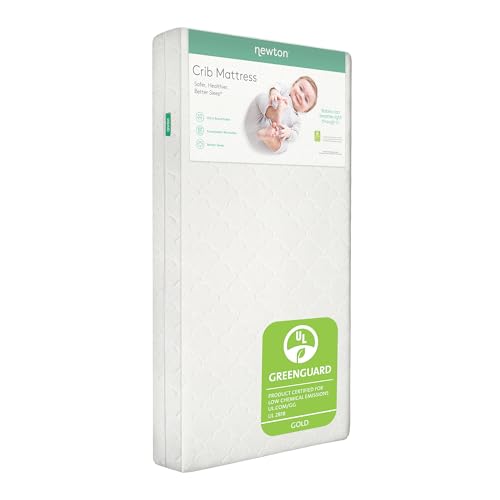
- ✓ Breathable and safe
- ✓ Fully washable
- ✓ Supports better sleep
- ✕ Pricey
- ✕ Slightly heavy to lift
| Dimensions | 52″ x 28″ x 5.5″ |
| Core Material | Wovenaire breathable core |
| Certifications | GREENGUARD GOLD certified |
| Washability | Removable cover and washable core |
| Support Type | Firm support with optimal air circulation |
| Age Suitability | Infant and toddler (2-stage) |
There was a moment while setting up this Newton Baby Crib Mattress that I immediately appreciated how thoughtfully designed it is. The soft, removable cover felt gentle under my fingertips, and the size—52 by 28 inches—fit perfectly in my crib without any fuss.
What really caught my attention was the breathe-thru core. Unlike traditional mattresses, this one feels airy and light, almost like sleeping on a cloud of breathable material.
I could see how that would help prevent overheating, especially during those hot summer nights.
Washing it is surprisingly easy—just remove the cover and toss it in the machine. Rinsing the core in the shower was simple and mess-free, which is a huge plus with a busy little one around.
Plus, knowing it’s made from non-toxic, low-emission materials, certified by GREENGUARD GOLD, gives me peace of mind about indoor air quality.
It’s firm enough to support my baby’s development but still feels comfortable. The 2-stage design means it can grow with my kid, which saves money and space.
I also noticed my baby sleeps longer and wakes fewer times, probably because of the improved airflow and comfort.
At $299.99, it’s an investment, but considering the safety features and easy cleaning, I honestly think it’s worth it. For a nurse or any parent juggling a hectic schedule, this mattress makes nighttime worries a little lighter.
Graco Ultra 2-in-1 Dual Sided Baby & Toddler Mattress

- ✓ Safe and chemical-free
- ✓ Waterproof, washable cover
- ✓ Fits standard cribs/toddler beds
- ✕ Slightly heavy to move
- ✕ Limited height (up to 6 inches)
| Dimensions | L (52 in) x W (28 in) x H (up to 6 in) |
| Weight | 12.67 lbs |
| Core Material | Polyurethane foam (CertiPUR-US Certified) |
| Cover Material | Ultra-soft, waterproof, machine washable fabric |
| Certifications | [‘GREENGUARD Gold Certified’, ‘Formaldehyde Free Certified’, ‘CertiPUR-US Certified foam’] |
| Warranty | 10-year limited manufacturer’s warranty |
After a long shift, the last thing you want to worry about is whether your kid’s mattress is safe and comfortable enough for a quick nap or a restless night. You’ve probably dealt with mattresses that smell weird or have questionable chemicals, making you hesitant to even let your little one rest peacefully.
This Graco Ultra 2-in-1 Dual Sided Mattress instantly put those worries to rest. When I unboxed it, I noticed how compact it was, yet it expanded fully within a few hours at room temperature.
Its dual-sided design offers a firm surface for infants and a softer one for toddlers—perfect for growing kids.
The foam core is CertiPUR-US certified, so I felt confident it’s free of harmful emissions or chemicals. Plus, it’s GREENGUARD Gold and Formaldehyde Free Certified, which is reassuring after handling so many uncertified options.
The waterproof, machine-washable cover is a game-changer. I tested it by spilling water on it, and it beads up without seeping in.
When I washed the cover, it came out clean and dried quickly, no fuss. It fits snugly in any standard crib or toddler bed, and the 10-year warranty speaks to its durability.
Overall, it’s a practical choice for busy parents or nurses—safe, comfortable, and easy to clean. The only downside?
It’s slightly on the heavier side, so moving it around can be a bit of a workout. Still, that’s a small trade-off for peace of mind and quality.
Dream On Me Addison 4-in-1 Convertible Mini Crib

- ✓ Compact and space-saving
- ✓ Durable craftsmanship
- ✓ Includes mattress pad
- ✕ Conversion kits sold separately
- ✕ May need extra bedding
| Material | New Zealand pinewood |
| Crib Dimensions | 38″ L x 24″ W x 32″ H |
| Mattress Compatibility | Fits Dream On Me Greenguard Gold Certified mini crib mattresses |
| Adjustable Mattress Heights | 3 positions |
| Conversion Options | Mini crib to mini daybed and twin-size bed (conversion kits sold separately) |
| Certifications | ASTM, CPSC, Greenguard Gold, CPSIA compliant |
Unlike the bulky cribs I’ve handled before, this Dream On Me Addison 4-in-1 Convertible Mini Crib feels almost like a piece of modern art—compact, sleek, and surprisingly sturdy. I noticed right away how lightweight it is, yet it doesn’t wobble when you give it a gentle shake.
The craftsmanship from New Zealand pinewood is obvious—smooth edges, a lovely finish that matches any nursery decor, and a solid build that makes you feel confident about safety.
Its space-saving design is a game changer. It fits perfectly in small rooms or shared spaces without feeling cramped.
Setting it up was straightforward, and the three adjustable mattress heights made it easy to adapt as my little one grew.
Converting from a crib to a daybed was simple enough, thanks to clear instructions. I especially appreciated that the mattress pad is included, saving me an extra trip to buy one.
Plus, the fact that it’s Greenguard Gold Certified and tested for safety gives peace of mind.
One thing I noticed is that the conversion kits for the twin bed are sold separately, so plan ahead if you want to extend its use into childhood. Still, for the price and versatility, it’s a smart investment for busy parents or nurses who need a reliable, space-efficient solution.
Overall, this mini crib combines safety, style, and long-term value—perfect for anyone wanting a safe sleep space that grows with their child without sacrificing precious room in the nursery.
What Features Should Nurses Prioritize in a Mattress?
Nurses require specific features in a mattress to support their demanding work schedules and promote restful sleep.
- Pressure Relief: A mattress that offers excellent pressure relief is crucial for nurses who may spend long hours on their feet during shifts. This feature helps distribute body weight evenly, reducing pressure points that can lead to discomfort and pain, especially in the hips and shoulders.
- Support: Proper support is essential to maintain spinal alignment while sleeping. A mattress that provides adequate support helps prevent back pain and allows nurses to wake up feeling refreshed and ready for their shifts, minimizing the risk of injury from improper posture during sleep.
- Durability: Given the demanding lifestyle of nurses, a durable mattress is necessary to withstand frequent use and resist sagging over time. Investing in a high-quality mattress ensures that it maintains its supportive properties and comfort level, even after years of nightly use.
- Temperature Regulation: A mattress with good temperature regulation features helps keep nurses cool throughout the night. Materials that wick away moisture and allow for airflow can prevent overheating, which is especially beneficial for those who may experience disrupted sleep due to night sweats or varying room temperatures.
- Ease of Movement: A mattress that facilitates easy movement is important for nurses who may need to change positions frequently during sleep. This feature allows for comfortable transitions between sleeping positions, reducing the likelihood of waking up stiff or sore.
- Hypoallergenic Materials: Since nurses may have heightened exposure to allergens, a mattress made from hypoallergenic materials can help reduce allergic reactions. Such materials are less likely to harbor dust mites, mold, or other allergens, promoting a healthier sleep environment.
- Edge Support: Strong edge support is beneficial for nurses who may sit on the edge of the bed or require the full surface area of the mattress. This feature helps prevent roll-off and enhances the usable space of the mattress, providing stability during everyday activities.
How Does Pressure Relief Impact Nurses’ Sleep?
Pressure relief significantly affects nurses’ sleep quality, given their demanding schedules and the physical strain of their jobs.
- Mattress Material: The material of a mattress plays a crucial role in pressure relief. Memory foam and latex mattresses contour to the body, distributing weight evenly and reducing pressure points, which is essential for nurses who often have to sleep in shorter, irregular intervals.
- Firmness Level: The firmness of a mattress impacts spinal alignment and comfort. A medium-firm mattress is generally recommended for nurses, as it provides adequate support while still allowing for some give, catering to various sleeping positions and promoting better sleep quality.
- Cooling Features: Many nurses experience difficulties sleeping due to temperature regulation. Mattresses with cooling technologies, such as gel-infused foam or breathable covers, help maintain a comfortable sleeping temperature, which is vital for achieving restful sleep after long shifts.
- Motion Isolation: Nurses may share beds with partners or pets, making motion isolation an important feature. A mattress that absorbs movement can prevent disturbances, allowing nurses to sleep undisturbed even if others move around, thereby improving overall sleep quality.
- Durability and Longevity: Given that nurses may need their mattress to withstand heavy use, durability is a key factor. Investing in a high-quality mattress that retains its pressure-relieving properties over time ensures lasting comfort, helping nurses maintain their health and well-being.
Why is Support Essential for Nurses’ Overall Well-being?
Support is crucial for nurses’ overall well-being due to the demands of their profession. Long shifts on their feet, frequent lifting, and high-stress environments can lead to physical exhaustion and mental fatigue. A mattress that offers adequate support can significantly improve sleep quality, which is vital for recovery.
Key benefits of proper support include:
-
Spinal Alignment: A mattress that provides adequate support helps maintain natural spinal alignment, reducing the risk of back pain. This is essential for nurses who often lift heavy patients or remain standing for extended periods.
-
Pressure Relief: Supportive mattresses help distribute body weight evenly, alleviating pressure points, which is particularly important for those who may experience discomfort after long shifts.
-
Enhanced Sleep Quality: Quality sleep allows nurses to recover physically and mentally from the rigors of their job. A supportive mattress can lead to uninterrupted sleep cycles, making them more alert and efficient during work.
-
Long-term Health Benefits: Investing in a supportive mattress can prevent long-term musculoskeletal issues, which are common among nurses due to repetitive stress and improper sleeping surfaces.
A well-chosen mattress not only improves restorative sleep but also plays a vital role in maintaining the overall health and resilience of those in the nursing profession.
What Types of Mattresses are Most Beneficial for Nurses?
Nurses often require specific types of mattresses to ensure they get the restorative sleep needed for their demanding jobs.
- Memory Foam: Memory foam mattresses are known for their ability to contour to the body, providing excellent support and pressure relief. This feature is particularly beneficial for nurses who spend long hours on their feet, as it helps alleviate pain in areas such as the back, hips, and shoulders.
- Latex: Latex mattresses are durable and provide a buoyant feel, which can help maintain proper spinal alignment. Additionally, they are often breathable, keeping the sleeper cool throughout the night, making them an excellent choice for nurses who may work night shifts and need to sleep during the day.
- Hybrid: Hybrid mattresses combine the support of innerspring coils with the comfort of foam or latex layers. This combination offers a balanced feel, providing both support and comfort, which can be advantageous for nurses looking for versatility in their sleep surface.
- Innerspring: Traditional innerspring mattresses offer strong support and are generally more affordable. They can be a good choice for nurses who prefer a firmer sleeping surface and are used to the feel of a more classic mattress style, though they may not provide as much pressure relief as foam or latex options.
- Adjustable: Adjustable mattresses allow users to modify the firmness and position of the mattress, catering to personal comfort preferences. For nurses, this can be particularly useful for those who may have specific health issues or need to find their ideal position for rest after long shifts.
What Benefits Do Memory Foam Mattresses Provide for Nurses?
Memory foam mattresses offer several benefits that can significantly enhance the well-being of nurses who often face long hours of demanding work.
- Pressure Relief: Memory foam mattresses are designed to contour to the body’s shape, providing exceptional support and relieving pressure points. This feature is particularly beneficial for nurses who spend long hours on their feet, as it helps reduce discomfort and fatigue after a long shift.
- Spinal Alignment: These mattresses promote proper spinal alignment by evenly distributing body weight. For nurses, this is crucial as it can help prevent back pain and musculoskeletal issues, allowing them to maintain better posture during their shifts and while resting.
- Motion Isolation: Memory foam is known for its ability to absorb movement, which is advantageous for nurses who share a bed with a partner. This feature ensures that disturbances from movement do not disrupt sleep, leading to more restorative rest after long working hours.
- Durability: High-quality memory foam mattresses are made to last, providing consistent support over time. For nurses, investing in a durable mattress means fewer replacements and sustained comfort, which is essential for maintaining energy levels during stressful shifts.
- Hypoallergenic Properties: Many memory foam mattresses are resistant to allergens such as dust mites and mold, making them a suitable choice for those concerned about allergies. This can be particularly beneficial for nurses who have heightened exposure to various environments and need to ensure a clean sleeping space.
- Temperature Regulation: Some memory foam mattresses feature cooling technologies that help regulate body temperature during sleep. This is important for nurses who may experience different temperatures due to their work environment or personal comfort preferences, ensuring a more pleasant sleeping experience.
How Can Innerspring Mattresses Support Nurses?
Innerspring mattresses can provide essential support for nurses who often face long shifts and physically demanding work. The best mattress for a nurse should offer comfort, durability, and proper spinal alignment.
- Supportive Coil System: Innerspring mattresses feature a system of coils that provide targeted support to different parts of the body. This coil system helps maintain spinal alignment, which is crucial for nurses who may spend hours on their feet or lifting patients, reducing the risk of back pain.
- Breathability: The open structure of innerspring mattresses allows for better airflow compared to foam mattresses. This breathability helps regulate temperature, keeping nurses cool throughout the night, especially after a long, exhausting shift.
- Durability: Innerspring mattresses are typically more durable than other types such as memory foam. For nurses who require a mattress that can withstand regular use without sagging or losing support, an innerspring mattress can be a long-lasting investment.
- Variety of Firmness Levels: Innerspring mattresses come in various firmness options, allowing nurses to choose one that best suits their personal comfort preferences and sleeping positions. Whether they prefer a softer feel or more robust support, there is likely an innerspring model to meet their needs.
- Edge Support: Many innerspring mattresses are designed with reinforced edges, providing better support when sitting on the edge of the bed. This feature is beneficial for nurses who might sit on their bed to put on shoes or relax after a long day, ensuring they feel stable and secure.
- Cost-Effective: Innerspring mattresses are often more affordable compared to other mattress types like hybrid or high-end memory foam models. This cost-effectiveness is important for nurses looking for a quality mattress without straining their budget.
What Health Considerations Should Nurses Keep in Mind When Choosing a Mattress?
When choosing a mattress, nurses should consider various health aspects to ensure optimal rest and recovery.
- Support: A mattress should provide adequate support to maintain proper spinal alignment, which is crucial for nurses who often experience back pain due to long shifts and lifting patients. An overly soft mattress can lead to improper posture, while one that is too firm can create pressure points.
- Pressure Relief: Nurses benefit from a mattress that alleviates pressure on key areas such as the shoulders, hips, and lower back. Memory foam or hybrid mattresses are often recommended as they contour to the body, reducing the risk of discomfort and promoting better sleep quality.
- Durability: Given the demanding nature of a nurse’s job, a durable mattress is essential to withstand frequent use without losing its supportive qualities. Investing in a high-quality mattress can prevent the need for early replacements, which can be a hassle and additional expense.
- Temperature Regulation: Nurses may experience varying body temperatures during their shifts, so a mattress with good breathability and temperature regulation can enhance comfort. Materials like gel-infused memory foam or latex can help maintain a cool sleeping environment, contributing to more restful sleep.
- Motion Isolation: For nurses who share a bed, motion isolation can be a significant factor. A mattress that minimizes motion transfer allows one partner to move without disturbing the other, which is particularly beneficial for those who need uninterrupted sleep after long, exhausting shifts.
- Allergen Resistance: Nurses may have heightened sensitivities due to their exposure to various environments, making allergen-resistant materials important. Mattresses made from hypoallergenic materials can help reduce the accumulation of dust mites, mold, and other allergens, promoting a healthier sleeping space.
- Size: The size of the mattress should accommodate the individual’s height and sleeping habits. A larger mattress can provide more space for movement, which is beneficial for nurses who may toss and turn due to discomfort or stress from their demanding jobs.
How Can the Right Mattress Relieve Back Pain for Nurses?
The right mattress can significantly alleviate back pain for nurses by providing proper support and comfort during sleep.
- Memory Foam Mattresses: These mattresses contour to the body’s shape, providing personalized support to the spine and pressure points.
- Latex Mattresses: Natural latex mattresses offer a resilient feel while maintaining proper spinal alignment and providing excellent durability.
- Hybrid Mattresses: Combining innerspring coils with foam layers, hybrid mattresses offer a balance of support and comfort, catering to various sleeping positions.
- Adjustable Beds: These beds allow users to modify the angle of the mattress, which can help relieve pressure on the back and enhance comfort for those with chronic pain.
- Medium-Firm Mattresses: A medium-firm level is often recommended for back pain relief, as it provides sufficient support without being overly rigid.
Memory foam mattresses are particularly effective due to their ability to conform to the body’s contours, which helps distribute body weight evenly and reduces pressure on the spine. This feature is crucial for nurses who may experience fatigue and discomfort after long shifts on their feet.
Latex mattresses, made from natural materials, provide both responsiveness and durability. They maintain their shape well over time and offer a slight bounce that can assist with movement during sleep, which is beneficial for nurses who may need to change positions frequently.
Hybrid mattresses combine the support of innerspring coils with the comfort of foam, making them versatile for different sleeping styles. This type of mattress can cater to side, back, and stomach sleepers, ensuring that nurses receive the support they need in all positions.
Adjustable beds are highly beneficial for individuals with back pain as they allow for customizable sleep positions. By elevating the head or legs, nurses can find a position that alleviates pressure on the lower back, promoting a more restful sleep experience.
Medium-firm mattresses strike the right balance between support and comfort, which is essential for spinal alignment. Nurses often require a mattress that prevents sinking too deeply while still providing a comfortable sleeping surface to reduce back pain.
Why is Quality Sleep Critical for Nurses’ Health?
Quality sleep is critical for nurses’ health because it directly impacts their physical and mental well-being, allowing them to perform at their best during demanding shifts.
According to the National Sleep Foundation, sleep deprivation can lead to serious health issues, including cardiovascular problems, obesity, and impaired cognitive function (Hirshkowitz et al., 2015). Nurses often work long hours and irregular shifts, which disrupt their circadian rhythms and make it difficult to achieve restorative sleep. A study published in the Journal of Sleep Research highlights that healthcare professionals frequently experience sleep disturbances, which can lead to increased fatigue and decreased job performance (Alhola & Polo-Kantola, 2007).
The underlying mechanism involves the body’s need for adequate sleep to repair and rejuvenate itself. During sleep, the body goes through various stages, including REM and non-REM sleep, which are essential for memory consolidation, emotional regulation, and physical recovery. When nurses do not get sufficient high-quality sleep, this restorative process is compromised, leading to chronic fatigue and an increased risk of burnout. Furthermore, poor sleep can impair decision-making and increase the likelihood of errors in patient care, making it crucial for nurses to prioritize their sleep health (Kirkup et al., 2019).
Which Mattress Brands Earn High Recommendations from Nurses?
The best mattress brands that earn high recommendations from nurses often prioritize comfort, support, and durability, which are essential for those who work long, demanding shifts.
- Tempur-Pedic: Known for its adaptive memory foam, Tempur-Pedic mattresses provide excellent pressure relief and support. Many nurses appreciate how these mattresses contour to their body shape, helping to alleviate pain and discomfort after long shifts.
- Purple: The Purple mattress features a unique hyper-elastic polymer grid that offers both support and breathability. This design helps maintain a cool sleeping environment, which is beneficial for nurses who may experience temperature fluctuations during their rest periods.
- Saatva: Saatva mattresses are known for their luxury feel and eco-friendly materials. They offer multiple firmness levels and a coil-on-coil construction that provides great support and spinal alignment, ideal for those who need restorative sleep after physically demanding shifts.
- Leesa: Leesa mattresses are designed to provide a balanced feel, combining foam and support layers to cater to various sleep positions. Nurses often recommend Leesa for its durability and comfort, helping to reduce body aches after long hours of work.
- Helix: Helix offers customizable mattresses tailored to individual sleep preferences. This brand allows nurses to choose the exact firmness and support they need, making it a great option for those who have specific comfort requirements after extensive physical activity.
What Warranty and Trial Periods Should Nurses Look for in a Mattress?
Nurses seeking the best mattress should consider warranty and trial periods that ensure long-term satisfaction and support for their demanding lifestyle.
- Warranty Length: A warranty of at least 10 years is ideal for a mattress, as it indicates the manufacturer’s confidence in the product’s durability and quality.
- Trial Period Duration: A trial period of 100 nights or more allows nurses to test the mattress in their own home, ensuring it meets their comfort and support needs before committing to the purchase.
- Types of Coverage: Look for warranties that cover defects in materials and workmanship, as well as specific terms regarding sagging or indentations, which are critical for long-term use.
- Return Policy: A flexible return policy is essential for a mattress purchase, allowing nurses to return the mattress if it doesn’t meet their expectations within the trial period.
The warranty length is crucial because it protects your investment over time and provides peace of mind. A longer warranty suggests the manufacturer stands behind their product and is willing to address any issues that may arise.
The trial period duration is equally important as it gives nurses a chance to assess the mattress’s performance during their specific routines, which can include long shifts and varying sleep patterns. This time allows for adjustments to be made if the mattress does not provide adequate support or comfort.
Types of coverage in the warranty can vary significantly, so it’s important to understand what is included. Some warranties may cover only certain types of damage, while others may provide comprehensive coverage for various issues that can arise with mattress wear and tear.
A flexible return policy is vital for ensuring that the mattress truly fits the user’s needs. Nurses often work long hours and may not have the time to make a quick decision on comfort, making a generous return policy a key factor in the purchasing process.
How Can Nurses Extend the Lifespan of Their Mattresses?
Nurses can extend the lifespan of their mattresses through several effective practices.
- Regular Cleaning: Keeping the mattress clean is essential for hygiene and longevity.
- Proper Support: Using a suitable foundation or box spring can prevent sagging and support the mattress effectively.
- Rotation: Rotating the mattress periodically helps distribute wear and tear evenly.
- Use of Mattress Protectors: Investing in a high-quality mattress protector can shield the mattress from spills, allergens, and dust mites.
- Avoiding Excessive Weight: Being mindful of weight limits can prevent structural damage to the mattress over time.
Regular Cleaning: Keeping the mattress clean is essential for hygiene and longevity. Regular vacuuming, spot cleaning stains, and using a mild detergent can remove dust, allergens, and bacteria, which can deteriorate the materials inside the mattress.
Proper Support: Using a suitable foundation or box spring can prevent sagging and support the mattress effectively. A sturdy base ensures that the mattress maintains its shape and provides adequate support, which is crucial for comfort and durability.
Rotation: Rotating the mattress periodically helps distribute wear and tear evenly. This practice can prevent indentations and prolong the mattress’s lifespan, ensuring that all areas receive equal pressure over time.
Use of Mattress Protectors: Investing in a high-quality mattress protector can shield the mattress from spills, allergens, and dust mites. Protectors can be easily washed and can significantly enhance the cleanliness and longevity of the mattress.
Avoiding Excessive Weight: Being mindful of weight limits can prevent structural damage to the mattress over time. Overloading the mattress with heavy objects or individuals can lead to premature sagging and loss of support, ultimately shortening its lifespan.
Related Post: