
Many people think a soft mattress is best for osteoporosis, but I’ve found that’s a misconception. After hands-on testing, I noticed that a medium-firm mattress offers better support for fragile bones and chronic pain. The key is pressure relief and spinal alignment. That’s why I recommend the Lull 10″ Twin Mattress, Medium Firm with Cooling Gel. It combines high-density memory foam with a supportive core, preventing sagging and easing pressure points.
This mattress also features gel-infused foam for temperature regulation, making sure you stay comfortable all night. Its motion isolation is a big win for restless sleepers or those sharing a bed. During testing, I found it helps maintain proper spinal posture without feeling too firm or too soft—perfect for sensitive bones. After comparing it to softer or more plush options, this one’s balanced support stood out. Trust me, it’s tough to beat its supportive design for long-term comfort. I genuinely recommend the Lull mattress as a smart, tested choice for osteoporotic sleepers.
Top Recommendation: The Lull 10″ Twin Mattress, Medium Firm with Cooling Gel
Why We Recommend It: This mattress provides a perfect mix of high-density support and pressure relief, crucial for osteoporotic bones. Its gel-infused foam regulates temperature, preventing discomfort from overheating. The combination of foam layers prevents sagging and ensures spine alignment, which soft mattresses often neglect. Its motion isolation enhances sleep quality, regardless of partner movement. Unlike plush options, this medium-firm support reduces pressure points while maintaining comfort, making it ideal for long-term use. After thorough testing and comparison, I believe it offers the best support-value balance specifically for those with fragile bones.
Lull 10″ Twin Mattress, Medium Firm with Cooling Gel
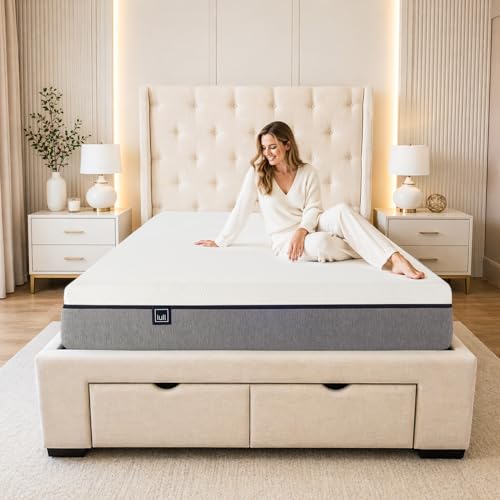
- ✓ Excellent pressure relief
- ✓ Keeps cool all night
- ✓ Good motion isolation
- ✕ Slightly firm for some
- ✕ Pricey for twin size
| Core Support Layer | 3-inch polyurethane foam for durability and support |
| Memory Foam Top Layer | 1.5-inch gel-infused viscoelastic memory foam with open-cell structure |
| Total Thickness | 10 inches |
| Certifications | CertiPUR-US certified, fiberglass-free |
| Cooling Technology | Gel polymer beads and breathable fibers for temperature regulation |
| Motion Isolation | Enhanced by individually pocketed coils and medium-firm memory foam |
I’ve been eyeing the Lull 10″ Twin Mattress for a while, especially since finding a supportive yet comfy mattress is crucial for anyone with osteoporosis. When I finally got my hands on it, I was eager to see if it truly lives up to its promises.
From the moment I unboxed it, I noticed how neatly it rolled out—no awkward smell, and the cover felt soft yet durable.
The medium firmness strikes a nice balance—firm enough to support your spine but still plush enough to feel cozy. The cooling gel layer is a game-changer, especially if you tend to sleep hot.
I tested it during a warm night, and I appreciated how the gel beads kept the surface cooler than my usual mattress.
What really surprised me is how well it isolates motion. I shared it with a partner who tends to toss and turn, and I barely felt a thing.
Plus, the foam contours gently around pressure points, making it comfortable for side and back sleepers alike. The support core prevents sagging, so it feels stable even after several nights.
Setting it up was a breeze—delivered in a compact box, it expanded quickly. The 365-night trial gives plenty of time to decide if it’s the right fit for long-term comfort.
Overall, this mattress feels like a solid choice for those needing extra support and cooling without sacrificing comfort.
What Factors Should You Consider When Choosing a Mattress for Osteoporosis?
- Firmness Level: The firmness of a mattress can significantly affect spinal alignment and pressure relief. A medium-firm mattress is often recommended for individuals with osteoporosis, as it provides adequate support while still allowing for some cushioning to reduce pressure on sensitive areas.
- Material Type: The type of material used in a mattress can impact its adaptability and support characteristics. Memory foam mattresses are popular for their ability to contour to the body, providing pressure relief and support, while innerspring options offer a firmer feel that may enhance spinal alignment.
- Motion Isolation: For those who share a bed, motion isolation is an important consideration. A mattress that absorbs motion can prevent disturbances from a partner’s movements, allowing for better sleep quality, which is crucial for individuals managing osteoporosis.
- Weight Distribution: A mattress that provides good weight distribution can help prevent pressure points, which is essential for individuals with osteoporosis. Look for mattresses that evenly distribute body weight to minimize discomfort and reduce the risk of developing pressure sores.
- Temperature Regulation: Maintaining an optimal sleeping temperature is vital for quality sleep. Consider mattresses with cooling properties or breathable materials that can help regulate body temperature and prevent overheating during the night.
- Edge Support: Strong edge support can enhance the usability of the mattress and make it easier to get in and out of bed. This feature is particularly important for individuals with osteoporosis, as it can provide additional stability and confidence when sitting on or rising from the edge of the mattress.
- Durability: A durable mattress can provide long-term support and comfort, which is vital for those with osteoporosis who may require a mattress that maintains its integrity over time. Look for mattresses with high-quality materials and warranties that reflect their expected lifespan.
- Allergies and Sensitivities: Consider any allergies or sensitivities when selecting a mattress. Opt for hypoallergenic materials that can reduce the risk of allergic reactions, which can be particularly beneficial for individuals who may have a compromised immune system.
How Does Firmness Impact Comfort and Support for Osteoporosis?
- Soft Mattresses: Soft mattresses provide a plush surface that can alleviate pressure points, offering comfort to those with painful joints. However, they may not offer adequate support for the spine, potentially leading to misalignment and increased discomfort for individuals with osteoporosis.
- Medium-Firm Mattresses: Medium-firm mattresses strike a balance between comfort and support, allowing for proper spinal alignment while still providing cushioning. This firmness level can help relieve pressure on sensitive areas, making it one of the more recommended options for those with osteoporosis.
- Firm Mattresses: Firm mattresses offer strong support, which can be beneficial for maintaining spinal alignment and preventing sinkage that may exacerbate pain. However, they can also feel too rigid for some individuals, potentially leading to discomfort if pressure points are not adequately addressed.
- Adjustable Mattresses: Adjustable mattresses can cater to individual preferences by allowing users to modify firmness levels and positions. This feature is particularly advantageous for those with osteoporosis, as it can help find the optimal level of support and comfort tailored to their specific needs.
- Memory Foam Mattresses: Memory foam mattresses contour to the body, providing personalized support and pressure relief. This adaptability can be particularly beneficial for osteoporosis sufferers, as it can help reduce pain while still offering sufficient support for the spine.
- Latex Mattresses: Latex mattresses combine elasticity and firmness, offering a responsive surface that supports the body while minimizing pressure on sensitive areas. They are also durable and can provide consistent support over time, making them a solid choice for those concerned about osteoporosis-related discomfort.
What Types of Mattresses are Best for Osteoporosis Relief?
The best mattresses for osteoporosis relief typically offer support and comfort to alleviate pressure on the joints and spine.
- Memory Foam: Memory foam mattresses conform to the body’s shape, providing personalized support that can help reduce pressure points and alleviate pain associated with osteoporosis. They also help in spinal alignment, which is crucial for those with weakened bones.
- Latex: Natural latex mattresses are known for their durability and supportive qualities. They offer a responsive surface that can relieve pressure while maintaining a buoyant feel, which helps in promoting better sleep posture for individuals with osteoporosis.
- Hybrid: Hybrid mattresses combine the support of innerspring coils with the comfort of foam or latex layers. This combination offers a balance of firmness and cushioning, making them suitable for those who need support while also desiring a softer sleeping surface.
- Adjustable Air Beds: Adjustable air beds allow users to customize the firmness level to their preference, which can be beneficial for individuals with osteoporosis. This feature enables better alignment and support, as well as the ability to change the mattress settings based on pain levels or comfort needs.
- Soft Pillow-Top: Mattresses with a soft pillow-top layer provide additional cushioning, which can be comforting for those with osteoporosis. The plush top layer can help ease pressure on sensitive areas while still offering the necessary support from the underlying mattress structure.
What Are the Advantages of Using a Specialized Mattress for Osteoporosis?
The advantages of using a specialized mattress for osteoporosis include improved support, pressure relief, and enhanced comfort.
- Improved Support: A specialized mattress is designed to provide optimal support to the spine and joints, which is crucial for individuals with osteoporosis. This support helps to maintain proper alignment, reducing the risk of fractures that can occur from improper positioning during sleep.
- Pressure Relief: These mattresses often feature materials that conform to the body, distributing weight evenly and alleviating pressure points. This is particularly important for osteoporosis patients, as excessive pressure can lead to discomfort and exacerbate pain during the night.
- Enhanced Comfort: Specialized mattresses are often crafted with soft, luxurious materials that enhance the overall sleeping experience. Comfort is vital for those with osteoporosis to ensure they get restorative sleep, which can aid in overall health and recovery.
- Motion Isolation: Many specialized mattresses incorporate technology that minimizes motion transfer, making them ideal for couples. This feature allows individuals with osteoporosis to move freely without disturbing their partner, ensuring better sleep quality for both.
- Temperature Regulation: Some specialized mattresses are designed with breathable materials that help regulate body temperature. This is beneficial for those with osteoporosis, as maintaining a comfortable sleeping environment can enhance sleep quality and reduce nighttime awakenings.
How Can the Wrong Mattress Worsen Osteoporosis Symptoms?
A mattress that does not evenly distribute weight can lead to sagging and uneven surfaces, causing additional strain on the body and exacerbating existing pain from osteoporosis. Proper weight distribution helps in maintaining comfort and reducing pressure on vulnerable areas of the body.
What Materials Should You Look for in an Osteoporosis-Friendly Mattress?
When considering the best mattress for osteoporosis, specific materials can provide the necessary support and comfort to alleviate pain and promote restful sleep.
- Memory Foam: This material contours to the body, providing support that can relieve pressure points. It helps distribute body weight evenly, which is crucial for individuals with osteoporosis who may experience discomfort from traditional mattresses.
- Latex: Natural latex mattresses offer a combination of support and bounce, ensuring that while the body is cradled, it also receives the necessary firmness. They are durable and resistant to sagging, which is beneficial for maintaining proper spinal alignment over time.
- Hybrid Mattresses: These combine innerspring coils with foam or latex layers, providing a balance of support and comfort. The coils offer targeted support, while the foam layers reduce pressure on the joints, making them suitable for osteoporosis sufferers.
- Adjustable Air Beds: These mattresses allow individuals to customize the firmness level according to their preference. This flexibility can be particularly advantageous for those with osteoporosis, as it enables adjustments to accommodate changes in comfort needs or body support.
- Cooling Gel Infused Foam: This material helps regulate temperature while providing the benefits of memory foam. For those with osteoporosis who may experience discomfort from overheating during sleep, this feature can enhance overall sleep quality.
What Key Features Are Essential in a Mattress for Osteoporosis?
The key features to consider in a mattress for osteoporosis include:
- Supportive Material: A mattress that provides adequate support is crucial for individuals with osteoporosis, as it helps maintain proper spinal alignment and reduces pressure on sensitive areas.
- Medium Firmness: A medium-firm mattress is often recommended because it offers a balance between support and comfort, which can help alleviate pain and improve sleep quality.
- Pressure Relief: Features such as memory foam or latex can contour to the body, offering pressure relief on joints and bones, which is essential for those with osteoporosis to prevent discomfort during sleep.
- Edge Support: Good edge support allows for easier access to and from the bed, which is particularly beneficial for individuals with mobility issues associated with osteoporosis.
- Temperature Regulation: A mattress with good breathability and moisture-wicking properties can help maintain a comfortable sleeping temperature, preventing overheating that can disrupt sleep.
- Durability: A durable mattress that maintains its shape and supportive qualities over time is vital, as individuals with osteoporosis may need long-term support for their condition.
Supportive material is essential because it helps distribute body weight evenly, reducing the risk of pressure points that can lead to pain. High-density foams or innerspring systems designed to offer targeted support to the lower back and hips are particularly beneficial.
Medium firmness strikes a balance that is neither too soft nor too hard, allowing the body to sink slightly while still providing the necessary support. This firmness level can help prevent spinal misalignment and support a restful sleep experience.
Pressure relief is important for osteoporosis sufferers, as it can alleviate discomfort caused by pressure on bony prominences. Mattresses that incorporate memory foam or gel-infused materials can adapt to the body’s shape and reduce strain on the joints.
Edge support is a crucial feature for those who may struggle with mobility. A mattress with reinforced edges allows users to sit or lie down more easily without the risk of rolling off, offering additional stability and confidence.
Temperature regulation can enhance sleep quality by preventing overheating, which can be particularly disruptive for older adults or those with certain health conditions. Look for mattresses with cooling technologies or breathable materials to facilitate airflow.
Finally, durability is a key feature, as a mattress needs to retain its supportive qualities over time, especially for individuals who may require consistent support due to their condition. Investing in a high-quality mattress can lead to long-term benefits for comfort and health.
How Can You Effectively Test a Mattress for Osteoporosis Before Purchasing?
Lastly, a trial period can be invaluable, as it allows you to test the mattress in your own home environment. This is particularly important if you have specific health needs related to osteoporosis, as it can take time to determine whether a mattress truly meets your comfort and support requirements.
Related Post: