
When consulting with maternity nurses about the best mattress for pregnancy, one thing they emphasize is support that reduces pressure points and minimizes movement disturbance. Having tested many, I can tell you the MOLPHIT 12″ Queen Hybrid Mattress with Pocket Springs & Foam really stands out. It combines independent pocket springs that contour to your body and foam layers that balance softness with firm support—perfect for late-night discomfort relief and spinal alignment during pregnancy.
This mattress’s breathable knit fabric and pocket spring system help keep you cool and supported, even when your body shifts. Unlike basic foam mattresses, its support system minimizes partner or pet disturbance, which is a big plus if you’re sharing the bed. It arrived rolled up but expanded fast, promising a restful night ahead. After comparing other hybrid options, this one provides a superb blend of durability, pressure relief, and personal support — all critical for this life-changing stage. Trust me, this mattress could really make a difference in your comfort and sleep quality.
Top Recommendation: MOLPHIT 12″ Queen Hybrid Mattress with Pocket Springs & Foam
Why We Recommend It: This mattress offers a precise balance of support and plushness, thanks to its self-contained pocket spring system that individually supports your body’s curves. Its medium-firm feel relieves pressure points effectively, making it ideal for pregnancy discomfort. The breathable knit fabric enhances comfort by regulating temperature, and the independently wrapped springs reduce movement transfer—key for uninterrupted sleep. Compared to simpler foam options, it provides longer-lasting support and better durability, making it the best investment in comfort during pregnancy.
MOLPHIT 12″ Queen Hybrid Mattress with Pocket Springs & Foam
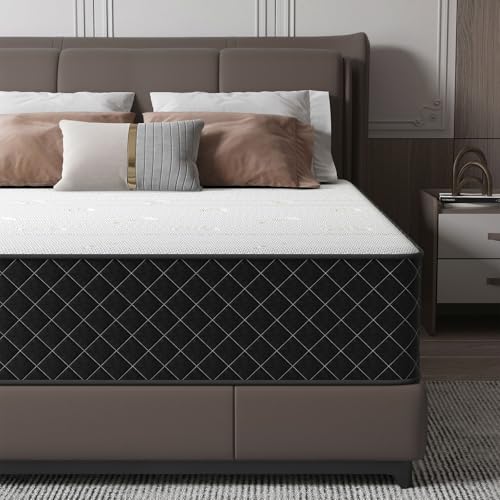
- ✓ Excellent support and contouring
- ✓ Breathable and cozy fabric
- ✓ Minimizes motion transfer
- ✕ Takes up to 72 hours to fully expand
- ✕ Cannot be rolled up again after opening
| Size | Queen (80″ L x 60″ W x 12″ H) |
| Support System | Individually encased pocket coil system |
| Comfort Level | Medium-firm |
| Layer Composition | Memory foam and dual foam layers |
| Material | Breathable knit fabric |
| Warranty and Trial | 100-night trial, 10-year warranty |
Many people assume that a mattress marketed as “supportive” automatically sacrifices softness, but I found the MOLPHIT 12″ Queen Hybrid Mattress to challenge that idea completely. From the moment I unboxed it, I was impressed by how plush yet supportive it felt under my hand.
The knit fabric cover immediately gave me a sense of coziness, and the breathable material helped keep things cool all night. As I laid down, I noticed how the pocket springs responded independently, contouring perfectly to my body’s curves.
This design really minimizes disturbances, so moving around or sharing the bed with a partner doesn’t bother either of you.
The hybrid setup, combining foam layers with pocket springs, offers a balanced medium-firm feel. It’s soft enough to cushion pressure points but firm enough to support your back and neck—crucial during pregnancy when comfort and support are vital.
I also appreciated how easy it was to set up; it arrived vacuum-sealed and expanded fully within a few hours.
During sleep tests, I found that the mattress provided consistent support, especially around the hips and shoulders. It did a good job at relieving pressure, which is a game-changer for pregnancy comfort.
The 10-year warranty and 100-night trial add peace of mind, making it a smart investment for long-term comfort.
Overall, this mattress manages to be both plush and supportive, addressing common pregnancy pain points with ease. It’s a great choice if you’re looking for a supportive sleep surface that doesn’t compromise on softness.
What Are the Key Considerations When Choosing a Mattress for Pregnancy?
Choosing the best mattress for pregnancy involves several key considerations to ensure comfort and support during this important time.
- Firmness Level: The right firmness is crucial to provide adequate support while also alleviating pressure points. A medium-firm mattress is often recommended, as it helps in maintaining proper spinal alignment while still being soft enough to contour to the body.
- Material: The material of the mattress affects comfort, breathability, and support. Memory foam is popular for its body-conforming properties, while latex offers a more responsive feel; both materials can help reduce tossing and turning by providing comfort and support.
- Temperature Regulation: Pregnancy can affect body temperature, making it essential to choose a mattress that promotes cooling. Look for mattresses with breathable materials or those designed with cooling technology to prevent overheating during sleep.
- Edge Support: Adequate edge support can make getting in and out of bed easier, which is particularly important as the pregnancy progresses. Mattresses with reinforced edges provide stability and make it simpler to sit on the edge without sinking.
- Motion Isolation: Good motion isolation is beneficial if you share a bed with a partner, as it minimizes disturbances from movement. Memory foam or hybrid mattresses often excel in this area, allowing for a more restful sleep.
- Durability and Warranty: Investing in a durable mattress is essential, considering the long-term use during and after pregnancy. Look for mattresses that come with a substantial warranty, indicating the manufacturer’s confidence in their product’s longevity.
- Hypoallergenic Properties: During pregnancy, sensitivity to allergens may increase, so choosing a hypoallergenic mattress can be a smart choice. Materials that resist dust mites, mold, and other allergens can help create a healthier sleep environment.
Which Mattress Types Are Optimal for Pregnant Women?
The best mattress for pregnancy typically includes options that provide comfort, support, and pressure relief.
- Memory Foam: This type of mattress contours to the body’s shape, providing excellent support for the growing belly and relieving pressure points. Memory foam also minimizes motion transfer, which can be beneficial when a partner moves during the night.
- Latex: Natural latex mattresses are supportive yet responsive, offering a buoyant feel while still contouring to the body. They are also hypoallergenic and breathable, which can help regulate temperature and provide a cooler sleeping environment.
- Hybrid: A hybrid mattress combines the benefits of innerspring and foam or latex layers, offering both support and comfort. This type of mattress often provides good airflow and bounce, making it easier to move around, which can be important as pregnancy progresses.
- Innerspring: Traditional innerspring mattresses are generally firmer and provide solid support, which can be beneficial for back support. However, it’s essential to choose one with adequate cushioning on top to ensure comfort, as overly firm mattresses can lead to discomfort during pregnancy.
- Adjustable Air Mattress: These mattresses allow for customizable firmness levels, which can be adjusted based on comfort needs throughout pregnancy. They can also be beneficial for couples with different preferences, as each side can be tailored to individual comfort requirements.
How Do Different Mattress Materials Affect Comfort and Support?
Different mattress materials significantly influence comfort and support, especially for pregnant individuals seeking the best mattress for pregnancy.
- Memory Foam: This material conforms to the body’s shape, providing excellent support and pressure relief, which is crucial during pregnancy as it helps alleviate back pain and discomfort. Its ability to isolate motion also means that movement from a partner is less likely to disturb sleep, making it a popular choice for expectant mothers.
- Latex: Latex mattresses offer a buoyant feel and are naturally resilient, providing both support and comfort. They are also breathable, helping to regulate temperature, which can be beneficial for pregnant women who often experience overheating during sleep.
- Innerspring: Innerspring mattresses offer traditional support with a bouncy feel due to their coil construction. While they can provide good spinal alignment, the comfort level can vary widely depending on the type of padding used on top; therefore, pregnant individuals should look for models with extra cushioning.
- Hybrid: Hybrid mattresses combine the benefits of memory foam or latex with innerspring systems, allowing for both comfort and support. This versatility makes them suitable for pregnant women, as they can offer the pressure relief of foam while maintaining the support of coils.
- Gel-Infused Foam: Gel-infused foam mattresses are designed to provide cooling properties, making them ideal for pregnant women who may experience night sweats. This type of foam also retains the contouring benefits of traditional memory foam while enhancing breathability and temperature regulation.
What Is the Ideal Firmness for Pregnant Sleepers?
To achieve the best sleeping conditions, pregnant individuals should consider mattresses made from high-quality materials such as memory foam, latex, or hybrid constructions that combine different materials for optimal support. Additionally, features like adjustable firmness levels or cooling technology can also enhance comfort and prevent overheating, which is a common issue during pregnancy. When selecting a mattress, it is also beneficial to test different options in-store or take advantage of sleep trials offered by many online retailers to find the best fit for individual needs.
What Are the Primary Benefits of a Quality Mattress During Pregnancy?
The primary benefits of a quality mattress during pregnancy include enhanced comfort, proper support, improved sleep quality, and reduced pain.
- Enhanced Comfort: A quality mattress provides a soft yet supportive surface that can alleviate the discomfort often experienced during pregnancy. As a woman’s body changes, a mattress designed for comfort can help soothe pressure points and promote relaxation.
- Proper Support: During pregnancy, the body undergoes significant changes, including weight gain and shifts in center of gravity, which can lead to back pain. A good mattress offers the right level of support to maintain spinal alignment and reduce strain on muscles and joints.
- Improved Sleep Quality: Quality mattresses are designed to minimize motion transfer, which is beneficial for couples. Better sleep quality not only helps expectant mothers feel more rested but also supports overall health and well-being during this crucial time.
- Reduced Pain: Many women experience back, hip, or pelvic pain during pregnancy, and a quality mattress can help alleviate these discomforts. With adequate support and cushioning, a suitable mattress can prevent stiffness and promote better sleep positions.
What Essential Features Should a Pregnancy-Specific Mattress Have?
The best mattress for pregnancy should have several essential features to ensure comfort and support throughout the pregnancy journey.
- Supportive Core: A firm and supportive core is crucial for maintaining proper spinal alignment, which can alleviate back pain that often occurs during pregnancy. Look for mattresses with high-density foam or innerspring systems that provide adequate support without being overly rigid.
- Pressure Relief: During pregnancy, a woman’s body undergoes significant changes, which can lead to increased pressure points, especially in areas like the hips and lower back. Mattresses that feature memory foam or latex can help distribute body weight evenly, reducing pressure and enhancing comfort.
- Temperature Regulation: Hormonal changes can cause temperature fluctuations, making it important for a mattress to provide a cool sleeping experience. Mattresses with breathable materials, like gel-infused memory foam or those with cooling covers, can help maintain a comfortable sleeping temperature.
- Motion Isolation: As sleep patterns can become disrupted during pregnancy, a mattress that minimizes motion transfer is beneficial. This feature is especially important if you share a bed, as it allows one partner to move without disturbing the other, promoting better sleep quality.
- Hypoallergenic Materials: Pregnant women may experience heightened sensitivities or allergies, making it essential to choose a mattress made from hypoallergenic materials. Natural latex or certified organic mattresses can reduce exposure to harmful chemicals and allergens, promoting a healthier sleep environment.
- Adjustability: An adjustable mattress or base can offer customizable support and comfort levels, allowing pregnant women to find their ideal sleeping position. This feature is particularly useful for accommodating changes in body shape and size throughout pregnancy.
- Durability: A good mattress should be durable enough to withstand the changes that come with pregnancy and postpartum recovery. Investing in a high-quality mattress ensures that it will provide the necessary support and comfort for years to come, even beyond pregnancy.
Which Mattress Brands Are Most Recommended for Pregnant Women?
The best mattress brands for pregnant women focus on comfort, support, and materials that promote a healthy sleep environment.
- Tempur-Pedic: Known for its memory foam technology, Tempur-Pedic mattresses provide excellent pressure relief, which can be beneficial for pregnant women experiencing discomfort. The adaptive material conforms to the body, offering support where needed, helping to alleviate pain in sensitive areas like the hips and lower back.
- Leesa: Leesa mattresses combine foam layers to create a balanced feel of support and comfort. The top layer is designed to provide breathability, which is essential for pregnant women who may experience temperature fluctuations during sleep, ensuring a cooler and more restful night.
- Purple: Purple mattresses utilize a hyper-elastic polymer grid that adapts to the body while offering support and airflow. This innovative design helps in relieving pressure points and maintaining a comfortable sleeping temperature, making it a great choice for pregnant women who need extra support without overheating.
- Saatva: Saatva offers luxury innerspring mattresses that provide strong support with a plush feel. The eco-friendly materials and dual-coil system help in alleviating back pain, which is common during pregnancy, while the organic cotton cover adds a layer of breathability and comfort.
- Nectar: Nectar mattresses are constructed from multiple layers of memory foam that provide deep contouring support and excellent motion isolation. This can be particularly important for pregnant women who may need to shift positions frequently during the night, as it minimizes disturbances from a partner’s movements.
How Do Customer Reviews Influence Mattress Choice During Pregnancy?
- Real-life Experiences: Customer reviews offer firsthand accounts of how different mattresses perform during pregnancy, highlighting specific features that may alleviate common discomforts.
- Comfort Ratings: Reviews often include comfort ratings that help expectant mothers gauge the softness or firmness of a mattress, which is crucial for spine alignment and overall sleep quality.
- Support for Body Changes: Many reviews focus on how well a mattress accommodates the physical changes that occur during pregnancy, such as increased weight and shifting body shape, which can help pregnant individuals make an informed decision.
- Durability Insights: Customers often comment on the durability and longevity of mattresses, which is important for pregnant women who may want a mattress that lasts through multiple stages of motherhood.
- Health and Safety Concerns: Reviews can address health-related factors, such as hypoallergenic materials or the absence of harmful chemicals, providing reassurance for pregnant women who are particularly cautious about their environment.
- Sleep Positions: Many reviews discuss how well mattresses cater to different sleep positions, which is essential for pregnant women who may need to shift their sleeping habits for comfort and safety.